Brands
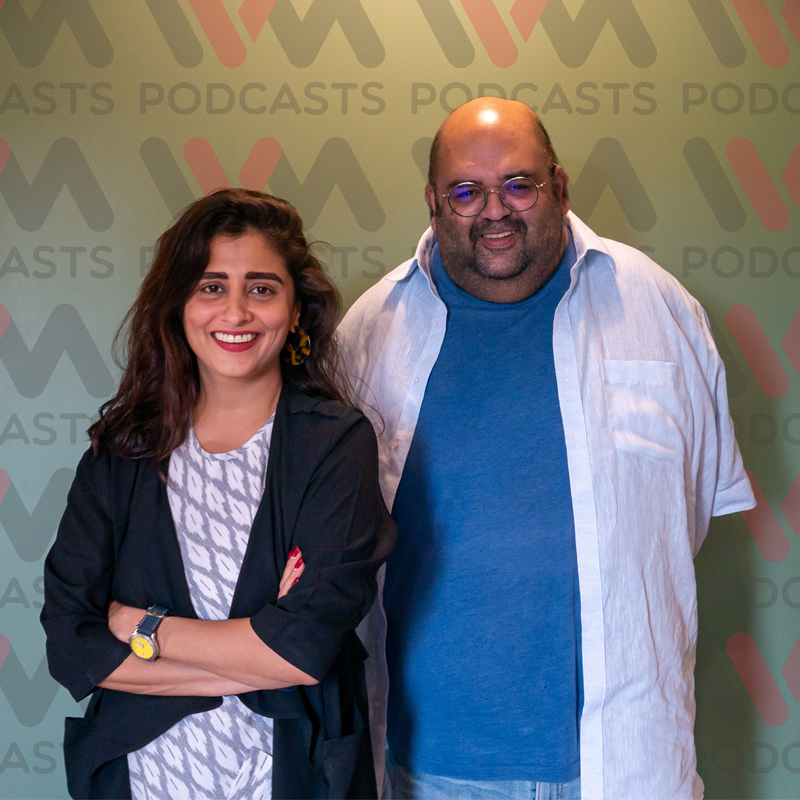
Brands betting big on IVM Podcast, share Amit Doshi and Kavita Rajwade

Mumbai: Fueled up by the pandemic and unprecedented lockdown, the audio industry has grown massively over the past two years. According to a listener survey by IVM Podcasts, around 96 per cent tuned in via their phones and saw more women than ever listening to podcasts. 80 per cent of listeners prefer to listen to episodes that are more than 20 minutes long, and serious listeners get about seven-eight hours of listening per week.
According to a KPMG study, podcast consumption increased by 29.3 per cent in the first year of the pandemic. A survey by Spotify and YouGov says that as of 2021, 50 percent of Indians prefer listening to at least one episode of a podcast every week.
The PWC Global Entertainment & Media Outlook 2020 study also predicted that India’s podcast listening market, the third-largest globally, is expected to reach Rs 17.61 crore by 2023, growing at a CAGR of 34.5 per cent.

Following the trend, branded podcasts have emerged as a favorite of advertisers across industries.
In a conversation with IndianTelevision.com, Pratilipi owned IVM podcasts head Amit Doshi shared why brands should go for a branded podcast. Along with him, IVM co-founder Kavita Rajwade also joined in to highlight the increasing number of advertisers on the platform.
The growth trajectory of IVM
Industry estimates show that the podcast industry has grown immensely during the pandemic. Highlighting the growth of IVM, Doshi said, “Like the entire podcast industry, IVM too has grown enormously.”
“Right now we create content for thirty-five advertisers and are aiming to garner a hundred brands by the end of 2022,” he revealed.
He added, “during the initial months of the lockdown, IVM registered a drop in listenership but soon audiences were saturated with regular entertainment channels like television, OTT, etc., which led them to discover podcasts.”
“As soon as they realised that the medium is a perfect resort for infotainment, they couldn’t take a step back which helped the medium grow,” Doshi added.
Except for FMCG, brands across categories show interest
At present, IVM has thirty-five advertisers in its bucket. Doshi said, “We have a variety of advertisers working with us. However, we are not specific to a particular niche of brands. We have all kinds of advertisers including fintech, edtech and e-commerce. However, FMCG is one category that is still very hesitant to invest in branded podcasts.”
Explaining the reason behind the low-interest rates of FMCG brands, he said, “FMCG brands are usually targeting all classes of the society, whereas, the podcast is still not a mass medium. Branded podcasts are limited to educated people, millennials and Gen Z, hence FMCG brands are not open to experimenting in the podcast ecosystem.”
Audio is no more limited to music only
Gone are the days when audio was synonymous with music only. Now, audio for Indian listeners is a lot beyond music.
“There was a time when audio was only about music. Songs were the only option to fill our everyday commutes, long lines at the bank, early morning walks and awkward carpools with insightful and funny stories,” Rajwade said. “But now when it comes to audio-based entertainment, listeners look for podcasts, audiobooks, editorials and other audio options,” she added.
Content experience is more important than content creation
Rajwade thinks that it is the content experience that helped them to grow consistently. “To provide the right solutions to the brands, we focus on providing better experiences to our listeners rather than just creating content,” she said.
“Content creation is our primary job but we focus more on how our content makes the listener feel, because no one remembers the content after listening to it, what stays with them is the experience and feel they get while listening to a particular content,” she explained.
Immense room for growth
According to an analysis by market research firm RedSeer, only 12 per cent of the Indian population “had ever listened to a podcast” till 2021. The number indicates that there’s “immense room for growth.”
In his concluding remarks, Doshi said, “As India has finally started seeing a notable surge in the number of podcast listeners, I see a great opportunity for growth in this industry.”







Brands
ITC Sunfeast Farmlite launches Sugar Free Cookies range
New variants offer guilt-free indulgence for health-conscious snackers.
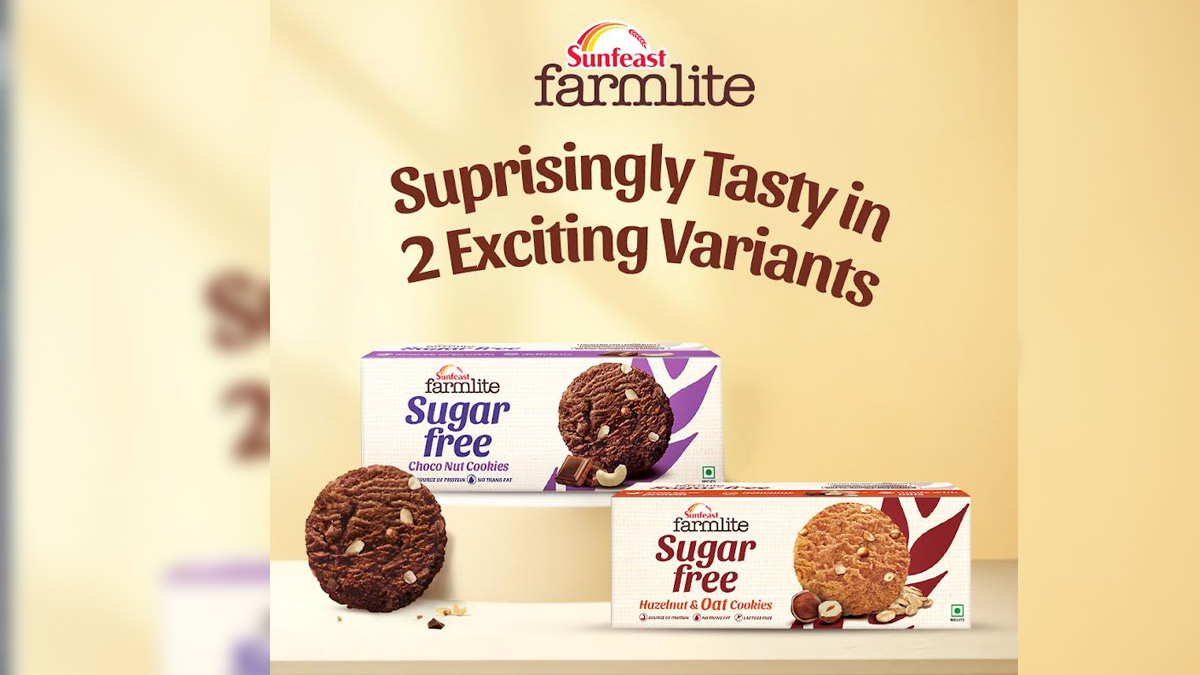
MUMBAI: ITC Sunfeast Farmlite is sweetening the deal for biscuit lovers who want to have their cookie and eat it too without the sugar. The better-for-you biscuits range from ITC Foods has expanded its portfolio with the launch of an all-new Sugar Free Cookies line, aligning with the company’s vision of ‘Help India Eat Better’. The range is designed for consumers who are rethinking sugar in their daily snacking but refuse to compromise on taste and indulgence.
The collection debuts with two tempting variants: Choco Nut Cookies and Hazelnut & Oats Cookies. Both are a source of protein and contain no trans-fat, while the Hazelnut & Oats variant is also lactose-free.
ITC Ltd. vice president (marketing), biscuits, foods division, Suraj Kathuria said, “At Sunfeast Farmlite, we believe mindful snacking should never come at the cost of indulgence. With this launch, we are catering to the growing need for guilt-free snacking while delivering a rich, satisfying cookie experience.”
ITC Ltd. vice president & head of food sciences for foods division Dr Shantanu Das added, “We have applied robust food science to develop cookies that are sugar-free while preserving the taste and texture consumers love.”
Each cookie comes in convenient single-serve packs to maintain texture and freshness. Both variants are available in 100g packs priced at ₹100 and can be found on quick-commerce platforms including Blinkit, Swiggy Instamart, and Zepto.
In a market increasingly leaning towards healthier choices, ITC Sunfeast Farmlite’s new Sugar Free Cookies prove that cutting sugar doesn’t mean cutting joy. For the health-conscious yet indulgent snacker, this could be the perfect bite-sized solution.






