MAM
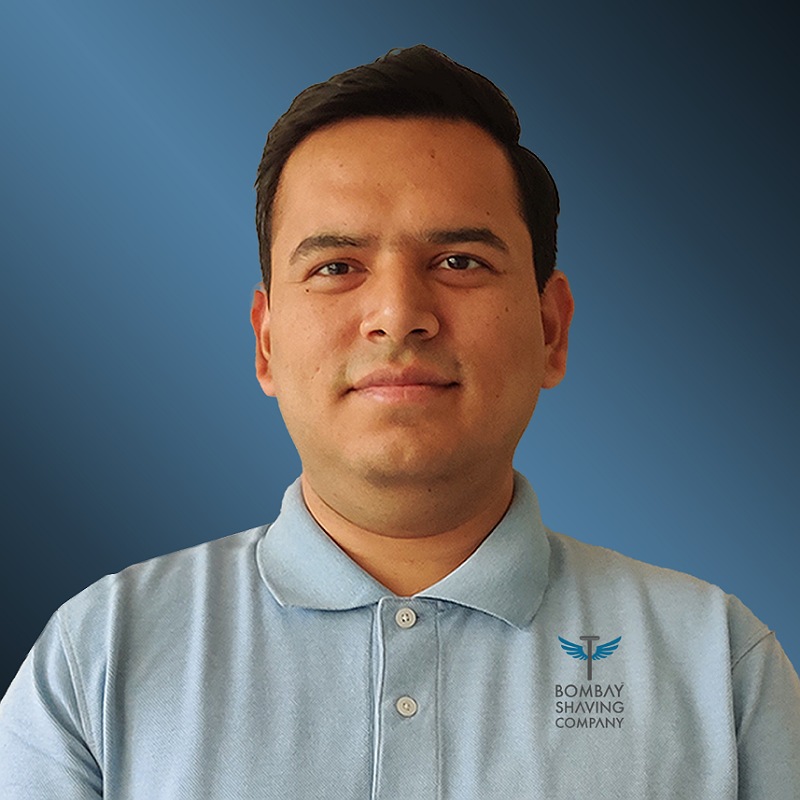
Bombay Shaving Co onboards Gaurav Anand as SVP- sales & marketing
MUMBAI: D2c personal care brand Bombay Shaving Company (BSC) has appointed Gaurav Anand as senior vice president, sales and marketing.
Anand will be responsible for driving business critical mandates across modern trade distribution, salon partnerships and new brand scale-up. He will also be taking on a people development role as a leader in the company.
Previously, Anand worked with Reckitt for over seven years and performed different roles in sales and marketing. He was majorly responsible for the P&L management, strategic sales planning and execution, as well as distribution management.
Before joining BSC, he spearheaded Zomato’s central India region followed by strategic initiatives for two years.
Visage Lines (owner of BSC) founder CEO Shantanu Deshpande shared, "We are glad to have Gaurav join our leadership team. He has the right mix of large organisation thinking and ability to take agile decisions, which is imperative to scale emerging consumer businesses. His tenure at Reckitt and Zomato, coupled with strong first principles in business make him an asset to our fast-paced, high-growth organisation."
“I am deeply passionate about building and scaling new-age consumer goods brands. We are on a very interesting growth journey and Shantanu has a fantastic vision of the way we are becoming a house of brands and solving critical consumer problems. Through this year, we will be capturing high share-of-category across channels and geographies for accelerated growth. It is very rewarding to work with an agile, robust and experienced management team that is creating many FMCG 2.0 brands”, added Anand.

Digital
India leads global adoption of ChatGPT Images 2.0 in first week
From anime avatars to fantasy covers, users turn AI visuals into culture
NEW DELHI: India has emerged as the largest user base for ChatGPT Images 2.0, just a week after its launch by OpenAI, underlining the country’s growing influence on global internet trends.
While the tool was introduced as an advanced image-generation upgrade within ChatGPT, Indian users are quickly reshaping its purpose. Instead of sticking to productivity-led use cases, many are embracing it as a creative playground for self-expression, storytelling and online identity.
From anime-style portraits and cinematic headshots to tarot-inspired visuals and fictional newspaper front pages, the model is being used to create highly stylised, shareable content. Features such as accurate text rendering, multilingual prompts and the ability to generate detailed visuals with minimal input have helped drive rapid adoption.
What sets the latest model apart is its ability to “think” through prompts, generating multiple outputs and adapting to context, including real-time web inputs. But the bigger story lies in how users are engaging with it.
In India, trends are already taking shape. Popular formats include dramatic studio-style lighting edits, LinkedIn-ready headshots, manga-inspired avatars, soft pastel “spring” aesthetics, AI-led fashion moodboards, paparazzi-style visuals and fantasy newspaper covers. Users are also restoring old photographs, creating tarot-style imagery and experimenting with futuristic design concepts.
Local flavour is adding another layer. Prompts such as cinematic portrait collages and Y2K-inspired romantic edits are gaining traction, blending global aesthetics with distinctly Indian internet culture.
The surge reflects a broader shift in how AI tools are being used in the country, moving beyond utility to creativity. As younger users, creators and social media enthusiasts experiment with new visual formats, AI-generated imagery is increasingly becoming part of everyday digital expression.
If early trends hold, ChatGPT Images 2.0 may not just be a tech upgrade but a cultural moment, giving millions a new visual language to play with online.