Brands
Bombay Dyeing eyes 20-30% revenue from e-commerce by 2021

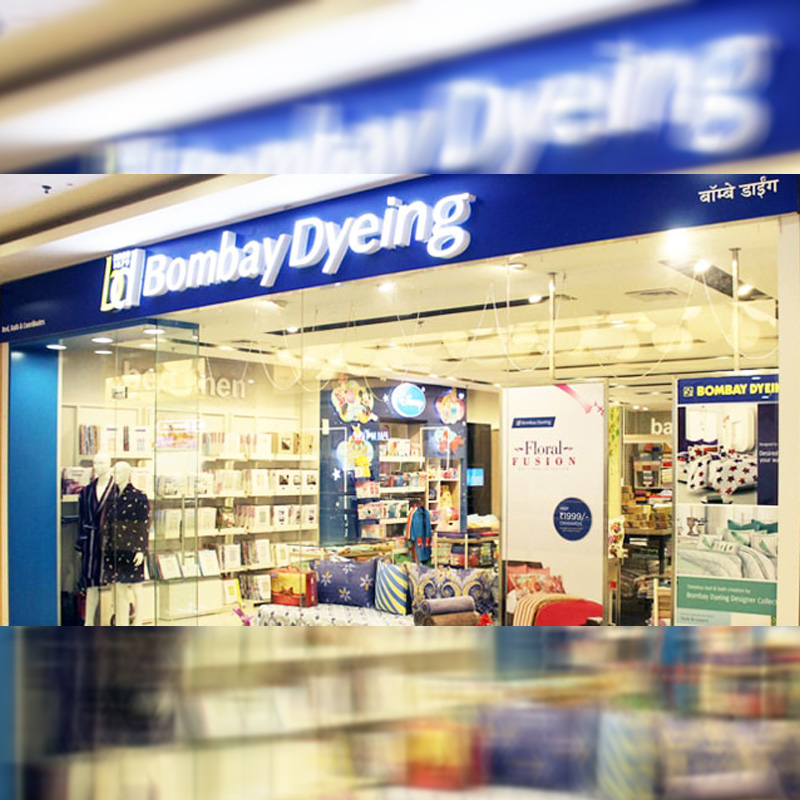
MUMBAI: A customised bed sheet with an image of your favourite travel destination, family or just a picture that you clicked. Sounds fancy? Well, bath and bedding company Bombay Dyeing has launched a new campaign to target the millennial consumer where they can upload an image on the company’s website and the customised bed sheet is delivered to their doorstep.
Launched only last week, the company has received a phenomenal response with orders for customised bedsheets coming in from across the country. Interestingly, people showing an interest in the new, customisable bed sheets are not restricted to the creamy layer of the society.
According to the company, it is the B class segment where most of the orders are pouring in from. Despite being priced at a premium amount of Rs. 1999, people in rural and small towns haven’t been deterred from going for a pair of these bed sheets.
Designed by the creative agency L&K Saatchi & Saatchi, the company has launched three films in total to promote the latest initiative, two 10 seconds ads for television along with a digital film. While they are betting big on TVC and outdoor for the campaign, the company will stay away from print for this particular campaign.
Established in 1879, Bombay Dyeing today stands as the oldest flagship brand of the Wadia Group in India. The brand that is primarily into bath and bedding, has seen a fair share of highs and lows in its 137-year history.
Today, bath and bedding category has become a cluttered sector with newer players entering the market and increasing imports from Taiwan, Bangladesh and China. However, there are limited players in organised sector that cater to the premium consumer. These include D’Decor, SPACES, Portico, Bombay Dyeing and Welpsun among other small and local players.
It is a challenge for most brands to communicate and connect with the audience of today, which is digital savvy and spends more time on their personal devices and far less sitting in front of a television set.
On the advertising front, the company usually spends 40 per cent of its allocated ad budget on television and a mere 10-15 per cent on digital platforms, which is on par with what most brands in this category spend. However, it is interesting to note that Bombay Dyeing did not spend a dime on digital advertising two years ago. Bombay Dyeing CEO for retail category Aloke Banerjee states that the company’s digital spend will increase to 30 per cent by year 2020.
On television, they advertise on GEC, movies, lifestyle and regional channels. They refrain from using print and resort to the medium only for big campaigns, sale and festive announcements.
As of May 2018, the company’s revenue has grown by 44 per cent YoY and 22.2 per cent QoQ to Rs757.8 crore as compared to 692.2 crore in November 2017. Although the company’s growth was static in 2017 due to the after effects of demonetisation, roll out of GST and other factors, Banerjee is expecting a 34-45 per cent of jump in revenue by the end of 2018.
Considered a premium brand, Bombay Dyeing’s bedsheets start at as low as Rs. 600. The demand for these mostly comes from rural areas and B class towns. However, the company’s rural penetration still continues to remain weak. To improve this, Bombay Dyeing is set to open 100 exclusive franchisee stores in smaller segments of India.
E-commerce has now become the go-to favourite for every retailer as they don’t have to spend lakhs of rupees for a brick and mortar store. This ideally means they can showcase their products with minimum investment. Today, Bombay Dyeing is among the top three preferred brands in the bed and beyond category along with SPACES and D’Decor.
“E-commerce contributes to 5-7 per cent of out current revenue but we want to increase it to 20-30 per cent in the next 3 years. We are eyeing a triple jump in sale this year through e-commerce,” said Banerjee.
While the organisation has stopped its exports business for the last 3 years, it intends to re-enter the Middle East market actively again by the end of 2018.
Most of the Bombay Dyeing consumers swear by its quality of fabric and print, but not everyone knows that the company no longer manufactures its bedsheets and rather outsources them to other vendors. How has that fared for them? Great, apparently, because they are eyeing a revenue of Rs 1000 crore by year 2020.
It is a general belief that when a brand signs a Bollywood celebrity to endorse a product, it is bound to generate buzz and increase the demand. Bombay Dyeing however has no brand ambassador at the moment Although, the company has collaborated with John Abraham, Karan Kapoor, Lisa Ray among other celebrities in the past.
What started off as a suits and shirting company has today transformed into a primarily bed, linen and upholstery business. But the company is bringing back its readymade shirts and suiting business and foraying into the rugs and curtains’ segments.
The challenge for the company lies from local vendors and brands along with international players stepping in the market. It will be interesting to see how the company adapts to the changing consumer needs and whether it still continues to be relevant to a generation that already considers the brand “fuddy duddy”
Also Read:
Parle Products eyes China for next phase of growth
RAW Pressery working on slow but steady expansion
Competing with consumer activities not brands: Kingfisher’s Sheikhawat