Digital
Bold Care hacks the ultimate bro code with BH.ai chatbot


Mumbai: Breaking barriers in men’s wellness, Bold Care launched their proprietary chatbot BH.ai – aapka bada bhai. It is an intuitive AI chatbot with a heart of gold and one that follows the ultimate bro code. Aptly named to embody the spirit of brotherhood, BH.ai isn’t just a chatbot; it’s your digital buddy, fluently conversant in Indian languages, especially Hindi, and always ready to lend an empathetic ear. Designed to foster open, judgment-free conversations, it offers an unparalleled, personalised experience. It blends modern day wit with age-old wisdom, feeling like a chat with your closest friend—someone who listens, contemplates, and offers impactful solutions with absolute discretion.
To celebrate the launch, Bold Care’s co-founder Rahul Krishnan brought a playful twist with an innovative campaign on X (formerly Twitter). Users were invited to engage in intriguing conversations with BH.ai and share screenshots of the chatbot’s responses. With a prize pool of Rs 50,000, daily winners were awarded Rs 10,000 for their creativity and humor in their exchanges with BH.ai.
In addition, Bold Care teamed up with influencer Bhavesh Manglani to create a compelling awareness video. The video captures Manglani having a candid wellness chat with BH.ai, accompanied by his father’s heartwarming advice. This blend of tech-savvy innovation and generational wisdom beautifully encapsulates Bold Care’s vision of creating an environment where men feel comfortable seeking and sharing guidance.

Bold Care co-founder Rahul Krishnan said, “When you put your arm across your buddy’s shoulder and say, ‘Bhai hu tera, khul ke baat kar!’, this one statement means, ‘I’m here for you, bro!’ Just pour all your questions, concerns, and doubts to me, and I’ll dish out answers that help. Our goal through this was to redefine wellness support by making technology relatable, fun, and profoundly human. Men’s health has long been a taboo, and we wanted to change the narrative. BH.ai is our way of saying, ‘It’s okay to talk.’ On International Men’s Day and beyond, we’re empowering men with a confidant they can trust. BH.ai is not just AI—it’s bhai: your brother, your buddy, your safe space. So, to all the brothers out there, it’s time to stop bottling things up. BH.ai is here, ready to talk. Ready to listen. Ready to make wellness a team effort.”
help us improve BHai, ask interesting questions, win 50k!
okay everyone, presenting BHai – aapka bada bhai
you can access BHai here – https://t.co/HWy3WUV5s3
we made a chatbot for all our bhais to have any kind of conversations in a safe, comfortable space
– talk to your bada…
— Rahul Krishnan (@oneandonlyrk) November 19, 2024





Introduction
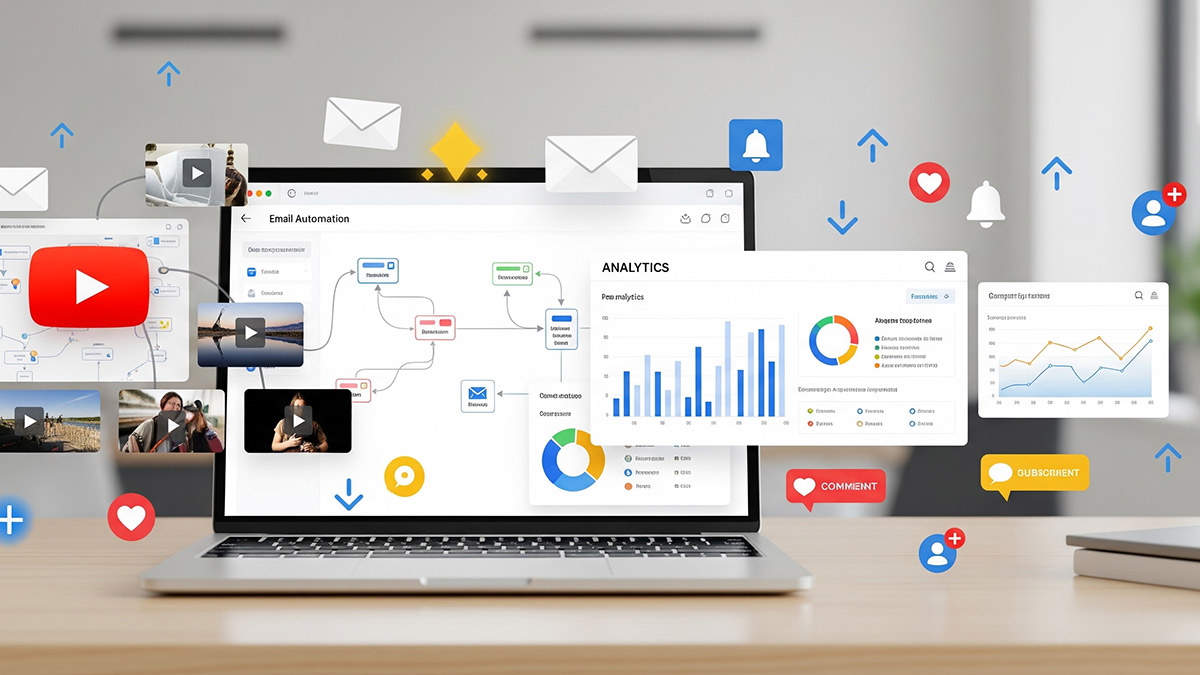
In the modern digital landscape, businesses are constantly seeking innovative ways to reach their audience, build relationships, and drive conversions. Two of the most powerful tools in digital marketing today are email automation and YouTube marketing. These strategies not only help brands engage with their audience but also provide measurable results that can significantly impact business growth. Platforms like ExamCollection offer valuable insights and resources for mastering these techniques. In this article, we will explore how email automation and YouTube marketing can transform your digital strategy and help you achieve long-term success.
The Power of Email Marketing Automation
Email marketing remains one of the most effective channels for communication and conversion. However, manually managing email campaigns can be time-consuming and inefficient. This is where marketing automation comes into play. Automation tools allow businesses to send personalized messages based on user behavior, preferences, and engagement patterns. This not only improves efficiency but also enhances the customer experience.
Benefits of Marketing Automation
Marketing automation provides several advantages, including increased productivity, improved targeting, and better customer retention. By automating repetitive tasks, businesses can focus on strategy and creativity. Additionally, automation enables marketers to segment their audience and deliver highly relevant content, which leads to higher open rates and conversions. It also provides valuable analytics that help optimize campaigns for better performance.
How to Master Email Automation
To master email automation, businesses need to understand their audience and create targeted campaigns. This involves setting up workflows, designing engaging email templates, and analyzing performance metrics. Tools like CRM systems and automation platforms can help streamline the process. Learning from expert guides and resources can significantly improve your skills and results.
The Rise of YouTube Marketing
YouTube has become one of the most influential platforms for digital marketing. With billions of users worldwide, it offers businesses an فرصة to reach a massive audience. Video content is highly engaging and can convey messages more effectively than text or images. As a result, many brands are investing in YouTube marketing to build their online presence and connect with their audience.
Key Strategies for YouTube Success
Successful YouTube marketing requires a well-planned strategy. This includes creating high-quality content, optimizing videos for search, and engaging with viewers. Consistency is also crucial, as regular uploads help build a loyal audience. Additionally, using analytics tools can help track performance and identify areas for improvement.
Explore more: https://www.examcollection.com/blog/master-youtube-marketing-with-these-10-powerful-steps/
Combining Email and YouTube Marketing
Integrating email automation with YouTube marketing can create a powerful synergy. For example, businesses can use email campaigns to promote new videos, share exclusive content, and drive traffic to their YouTube channel. Similarly, YouTube videos can encourage viewers to subscribe to email lists, creating a continuous cycle of engagement. This integrated approach can significantly enhance marketing effectiveness.
The Role of Data and Analytics
Data plays a crucial role in both email and YouTube marketing. By analyzing user behavior and engagement metrics, businesses can make informed decisions and optimize their strategies. Metrics such as open rates, click-through rates, watch time, and subscriber growth provide valuable insights into campaign performance. Using these insights, marketers can refine their approach and achieve better results.
Challenges and How to Overcome Them
While email automation and YouTube marketing offer numerous benefits, they also come with challenges. These include content creation, audience engagement, and staying updated with changing algorithms. To overcome these challenges, businesses need to invest in continuous learning and adapt to new trends. Leveraging reliable resources and expert guidance can make a significant difference.
Future Trends in Digital Marketing
The future of digital marketing is likely to be shaped by advancements in artificial intelligence, personalization, and interactive content. Automation tools will become more sophisticated, enabling even more personalized experiences. Video content will continue to dominate, with platforms like YouTube playing a central role in marketing strategies. Businesses that stay ahead of these trends will have a competitive advantage.
FAQ
1. What is email marketing automation?
Email marketing automation involves using software to send targeted and personalized emails based on user behavior and preferences.
2. Why is YouTube important for marketing?
YouTube provides a platform to reach a large audience and engage users through video content.
3. Can small businesses benefit from these strategies?
Yes, both email automation and YouTube marketing are highly scalable and suitable for businesses of all sizes.
4. How can I improve my email open rates?
By creating compelling subject lines, segmenting your audience, and delivering relevant content.
5. What tools are used for YouTube marketing?
Tools like video editing software, analytics platforms, and SEO tools are commonly used.
Conclusion
Digital marketing is evolving rapidly, and businesses must adapt to stay competitive. Email automation and YouTube marketing are two powerful strategies that can drive significant growth when implemented effectively. Email automation allows businesses to deliver personalized and timely messages, improving customer engagement and retention. On the other hand, YouTube marketing provides a platform to connect with a vast audience through engaging video content. By combining these strategies, businesses can create a comprehensive marketing approach that maximizes reach and impact. Platforms like ExamCollection offer valuable resources that help marketers understand and implement these techniques effectively. The integration of data and analytics further enhances the effectiveness of these strategies, enabling businesses to make informed decisions and optimize their campaigns. However, success in digital marketing requires continuous learning, creativity, and adaptability. As technology continues to advance, new opportunities and challenges will emerge. Businesses that stay updated with the latest trends and leverage the right tools will be well-positioned for success. Ultimately, mastering email automation and YouTube marketing can lead to increased brand visibility, higher engagement, and improved conversion rates. By investing time and effort into these strategies, businesses can achieve sustainable growth and long-term success in the competitive digital landscape.






