MAM
Biases drive media, advertising solutions: Meenakshi Madhvani

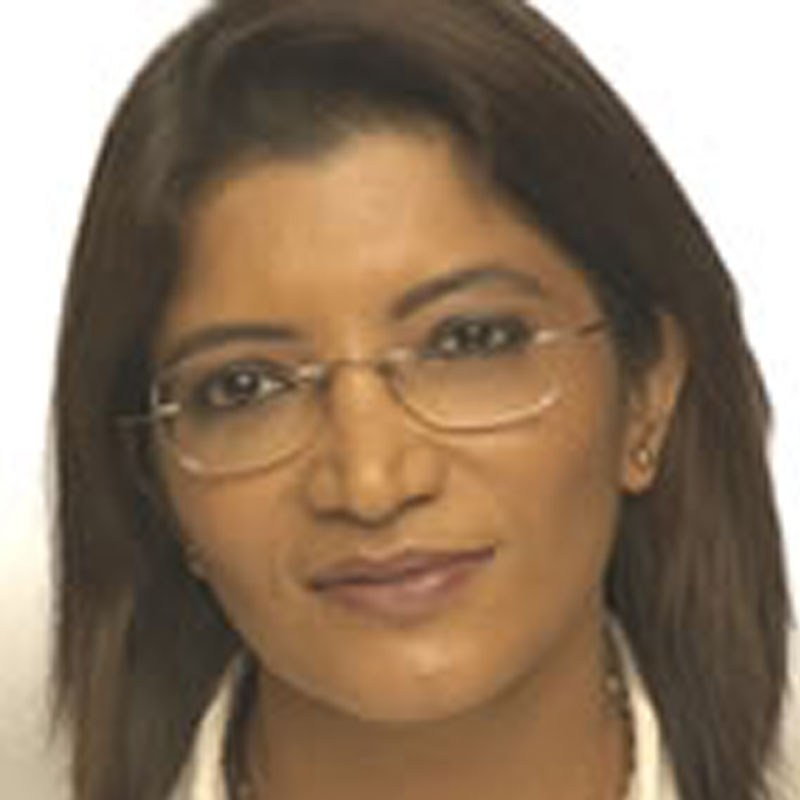
| MUMBAI: “Biases drive client solutions in advertising today. The current breed of media planners and creative personnel prefer the television medium because they feel that it is more interesting and remunerative – irrespective of whether it is relevant or pertinent,” thus spake Meenakshi Madhvani, ex Carat Media Services CEO turned entrepreneur of India’s first-of-its-kind media audit outfit. |
|
“I have always endeavoured to make my mark on the industry by associating myself with ventures that set a trend and spawn imitations. Carat Media Services was the first media independent agency in India and several large ad agencies followed suit. With Spatial Access Solutions, I shall be treading a new path,” says the bespectacled ad professional who has worked with several global as well as local firms; with top ad agencies as well as broadcasters. Talking about the relevance of the services that she plans to offer, Madhvani also states: “There is a ‘real’ need for media audit firms because clients are grappling with questions related to the efficacy of their agency’s media strategy; and whether they are getting the desired impact for their ad bucks. There is an opportunity that exists and I shall strive to convert this into a business proposition.” Referring to the current media scenario, Madhvani says: “Complexity rules the roost. There is little transparency and clients are not sure whether the data sources and methodologies used by their agencies for developing strategies are adequate.” Elaborating on the transparency issue, Madhvani points out: “The market is currently polarised. The smaller media companies are not in a position to extract mega deals with media owners. The larger agencies are leveraging their humungous volumes to obtain discounts and rebates.” “Recently, it has been noticed that a lot of shadow boxing is going on in the industry. The bigger agencies don’t necessarily pass on the rebates to the clients. Moreover, they use these exclusive discount deals to undercut rivals during client pitches. At the end of the day, clients are not sure whether there is a discount over and above the discount that the agency has offered them!” says Madhvani, while rationalising the need for media audits. According to Madhvani, media independent agencies shouldn’t compromise on their fees. “Media agencies should adopt a straight-forward approach and communicate to their clients that they need to charge a realistic fee that would cover their expenses and other operational costs. Constant undercutting and working at unrealistic margins is detrimental to the ad/media business,” adds the “iron lady” as she blasts her fraternity. However, Madhvani adamantly points out that the media owners are equally responsible for the “unpleasant” situation.”Media owners too, are guilty of under selling their properties. One cannot blame them because there aren’t sure of the value that they deliver through their offerings. Moreover, the broadcasting fraternity hasn’t really invested in services that would adopt a scientific approach to arrive at this value. They are soft targets for the media agencies that push for ridiculous deals.” Elaborating on the services that she proposes to offer broadcasters, Madhvani adds: “There are several offshoots to the services that a media audit outfit can offer. For instance, we can even consider the point of view of the smaller broadcasters and offer them consultancy services and solutions. We can partner them and help assert themselves during the negotiations with media agencies.”
Spatial Access Solutions is also in talks with the two other media audit outfits in the Asia Pacific region — R3 of Singapore and the Australia-based Cha-rles Godbolt — to work out a pan-Asian collaboration pact. Also read: “It is sad that all the old and new channels look like clones” – Meenakshi Madhvani |
 Madhvani will officially launch Spatial Access Solutions from 13 October but claims that she is in advanced stage of negotiations with leading advertisers as well as broadcasters for offering media audit services. The audit agency will offer strategic services to advertisers and broadcasters. The analytical services will include evaluation of both the creative and media-buying agencies servicing the advertiser; provide research-based solutions in respect of the various available media vehicles; also help broadcasters arrive at the “value” offered by their offerings to advertisers/ad agencies.