MAM
Berlin, Auckland and Moscow lead global mobility, Kantar study finds

MUMBAI: Berlin and Aucklandare the world leaders in urban mobility, according to new analysis from Kantar’s Mobility Futures study. The German capital tops Kantar’s City Mobility index on account of its cost-effective travel and ease of access to a wide variety of public transport infrastructure and ride-sharing services. Conversely, due to limited public infrastructure, Johannesburg, Sao Paulo and Nairobi languish at the bottom of the ranking, which assesses the affordability and availability of transport options.
The City Mobility Index Top 10
The study, based on more than 20,000 commuter interviews across 31 cities, coupled with in-depth interviews with 53 of the world’s leading mobility experts, aims to inform urban transport planning and development around the world, and help shape business strategies for both new and existing players in the transport and mobility sector.

Kantar also assessed the world’s greatest cities on their environmental credentials in its Green Commuter index. According to the analysis, Asian cities are leading the way in environmentally-friendly commuting with Tokyo taking the top spot, followed by Beijing and Singapore. This is driven by a low proportion of solo drivers and a high proportion of walkers, cyclists and public transport users. In Europe, London ranks as the most environmentally friendly commuter city because of its extensive rail and underground network.
Other findings from the research include:
Car is still king: Despite growing environmental concerns, commuters still love their cars because of the status symbol, convenience, or often out of necessity. Globally, 39% of urban commuters drive to work alone – more than any other mode of transport. And with public transport eliciting the most negative emotional response of all transport modes, it’s no surprise that people are opting for the ease and comfort of a private vehicle.
Amsterdam and Copenhagen are home to the world’s “super-cyclist” commuters, ranking at no. 1 and no. 2 in Kantar’s Cycle index respectively. Beijing rounds out the top three.
Residents of Tokyo and Manchester are the world’s biggest walkers, with the proportion of commuters choosing to walk to work reaching 18% and 16% respectively.
South East Asia also leads the way in travel app usage. Residents of Mumbai and Jakarta on average use over five apps to navigate in and across their city. On Chinese mainland, the average number of apps is lower than the rest of the world, since car and bike-sharing providers have already integrated into other more widely used apps such as Baidu, Alipay and WeChat to make their offerings even more accessible.
“The great cities of the world are exciting and energising places to live – but as populations increase, and the pace of life intensifies, urban mobility poses a growing challenge,” commented Guillaume Saint, Global Automotive & Mobility Lead at Kantar. “Our research reveals that one of the biggest challenges facing global cities today is moving commuters away from the convenience and comfort of their cars, and onto more sustainable transport options. Understanding people’s pain points and emotional response will be key to driving meaningful behavioural change. People are more likely to use modes of transport that bring a little bit of delight into their daily commute and become a lifestyle choice rather than just a way to get around.
Cities have much to gain from developing people-centric mobility solutions. The likes of Berlin and Auckland are earning a reputation for being a great place to live – and commute – and these cities will attract the brightest minds into the local workforce, while improving the mental and physical health of those already living there.”
Kantar’s Mobility Futures study surveyed over 20,000 city dwellers about their current travel experiences and desired modes of transport. The full research will be available in November.







MAM
Beacon Group appoints Dr Rajesh Patel as Group CEO
36-year healthcare veteran to lead Beacon Diagnostics, Vector Biotek, Biogeny.
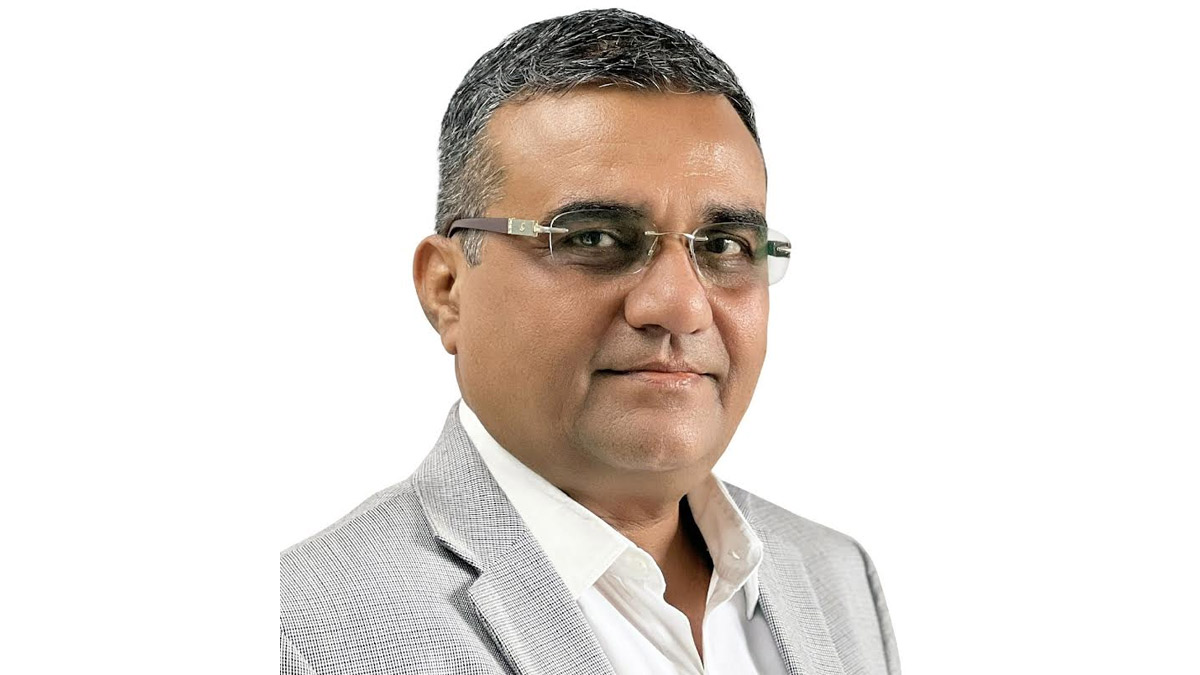
MUMBAI: A new chief, a fresh diagnosis and a sharper prescription for growth. Beacon Group has appointed Dr Rajesh Patel as its Group Chief Executive Officer, effective April 1, 2026, signalling a decisive push to scale its presence in the diagnostics and IVD space. Patel steps into the role with 36 years of experience across the healthcare and diagnostics industry, bringing a career shaped by leadership roles spanning sales, marketing, business development and operational strategy. His mandate is both expansive and precise: to steer the group’s overall strategic direction while tightening coordination across its three core entities Beacon Diagnostics, Vector Biotek and Biogeny Diagnostics.
In practical terms, that means driving cross-company synergies, accelerating market expansion and strengthening organisational capability areas increasingly critical as diagnostic players compete for scale in a fragmented yet rapidly evolving healthcare ecosystem. The group is positioning itself to capture unmet demand across chain laboratories, key accounts and standalone labs, segments that remain underserved despite growing diagnostic needs.
The appointment comes at a time when the In Vitro Diagnostics (IVD) sector in India is entering a more competitive and innovation-led phase, with companies focusing not just on product pipelines but also on service delivery, integration and customer-centric models. Beacon’s leadership appears to be betting that Patel’s execution-focused approach can help translate ambition into operational momentum.
Welcoming the appointment, Chairman Dr D K Joshi described Patel’s induction as a strategic move aligned with the group’s long-term vision, emphasising the role of leadership depth in navigating the next phase of growth.
For Beacon Group, the message is clear, in a sector where precision matters, leadership is the new differentiator—and this appointment is intended to set the tone for what comes next.






