MAM
Battle royale: Why govt’s ban of BGMI spells bad news for gaming in India

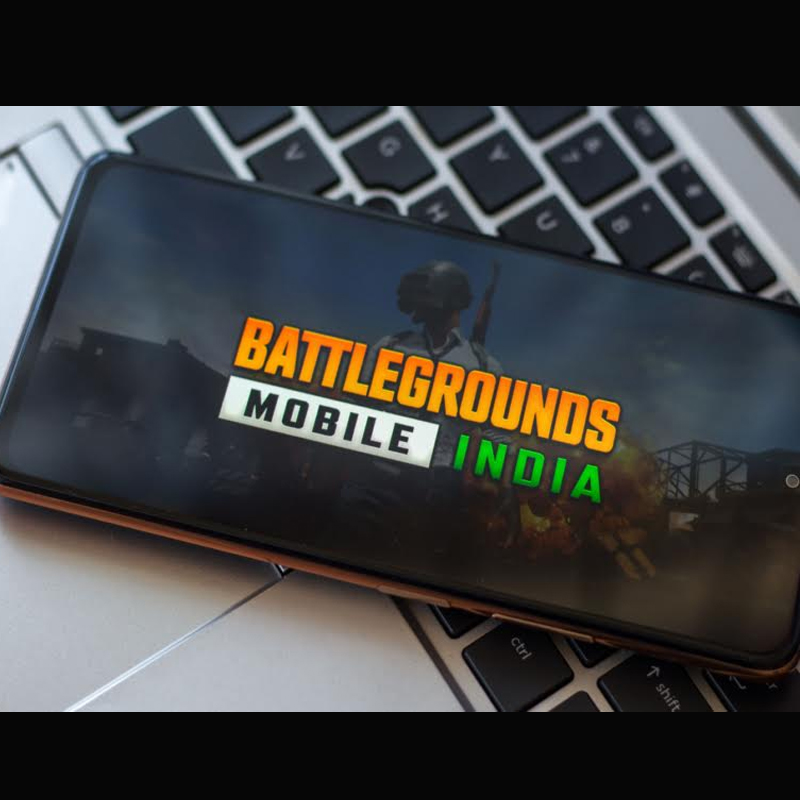
Mumbai: Battlegrounds Mobile India (BGMI), the Indian version of PUBG Mobile from Korean game maker Krafton, has been removed from both Apple and Google app stores in India following a government order. The rebranded game was launched in India in 2021 following the expulsion of the original popular PUBG game in September 2020.
The relaunched version of the game with minor tweaks was quickly picked up by the gaming community in India, even as the game saw millions of downloads and active users. As of July 2022, Krafton’s BGMI surpassed 100 million registered users in the country.
According to Reuters’ report, the government has banned the popular battle-ground format game, citing national security and data sharing concerns, using the same section of the IT law that it has invoked since 2020 to ban Chinese apps.
Google said in a statement that it received an official order from the government to remove the game. “On receipt of the order, following the established process, we have notified the affected developer and have blocked access to the app that remained available on the Play Store in India.”
Krafton has also confirmed the development and said, “We are clarifying how BGMI was removed from the Google Play store and the App store and will let you know once we get specific information.”
According to the South Korean game maker, it has invested nearly $100 million into the game and the country’s gaming start-up ecosystem to improve India’s local video game, esports, and entertainment startups in the last year. The game is also believed to be a major revenue source for esports organisations, teams, live streamers, esports players, and gaming content creators in India. Apart from Krafton’s official tournaments, several Indian esports organisations were organising multiple BGMI tournaments with massive prize pools.
Among the Chinese apps that were relaunched and rebranded with similar features following their ban by the Indian government, BGMI is probably the biggest.
Esports industry stakeholders reacted cautiously to the ban. Most of them said they are yet to receive an official statement from the government on the reason behind the removal of the game from the Play Store and App Store. Some felt this was between the publisher and the government and hoped the issue would be resolved soon.
According to Revenant Esports founder & CEO Rohit Jagasia, the BGMI ban will definitely be a setback for all major stakeholders, like tournament organisations, esports teams, coaches, support staff, and most importantly, the athletes. However, he added that the company is optimistic about supporting its BGMI athletes during these ‘trying times.’ “At Revenant Esports, we will still be supporting our BGMI athletes and make sure they use our training facility to create content and try their hand at different games.”
While the entire esports industry will take a hit, Jagasia added that the organisation was built during the first stint of the ban in 2020 and, hence, has always believed in diversification and will continue to do so. “We still have rosters competing in Pokémon Unite, which will be representing India at the World Championship in London; Call of Duty Mobile, which will be playing the regional playoffs for the world championship; Apex Legends, which previously represented the SEA region in the ALGS playoffs in Stockholm; and Valorant, which is currently playing a couple of regional tournaments.”
Esports Federation of India director & Asian Esports Federation (AESF) vice president Lokesh Suji agreed on the importance of stressing diversification in the industry. He said India is paving its path to becoming a multi-sport nation where every sport is getting the right visibility, audience and investment to grow. “We have to reflect the same in esports where we need to start giving exposure to multiple esports titles and not be limited to one.”
With so much attention on every front, including the government, it’s also high time our Indian video game developers speed up the process of launching world-class esports video game titles, he added.
Several industry insiders felt it was too early to comment on the matter, while for some, like Esports Premier League (ESPL) director Vishwalok Nath, it’s a “wait-and-watch time” to take further decisions.
According to a next-gen marketing agency specialising in the domains of gaming and lifestyle, Alpha Zegus founder and director Rohit Agarwal, such occurrences are becoming more common by the year, and are happening without any foresight. “Not very long ago, we saw a wave of China-based apps getting banned overnight, and also saw the likes of Free Fire getting the red flag-all happening without any prior warnings.”
Apart from the data sharing concerns, a recent incident of a boy killing his mother over a BGMI argument has once again brought the game under the radar of the government, marking it as “unsafe for young adults.” Similar incidents of arguments and damage due to the game have arisen in the past as well.
The gaming industry is realising more than ever that the esports and mobile games space is becoming increasingly unpredictable by the day. Stakeholders expressed the hope of a regulatory body coming into play that monitors the games over time, instead of banning them overnight.
In the absence of an official statement from the centre on the removal of the game, if this game’s removal stays for some time, then it will be damaging to the ever-growing Indian esports ecosystem, says Qlan, The Gamer’s Social Network co-founder & CEO Sagar Nair.
Looking at it from a sports lens, although we are a multi-sport nation, cricket enjoys the biggest chunk of revenue and viewership in our country, he added. “This potential stay will hamper the whole esports ecosystem—consumers, businesses, stakeholders, jobs and much more. There is a large investment riding on startups, tournaments, and game streaming. It’s a trickle effect waiting to happen.”
It’s not just about one game, but with the kind of popularity, player base, and viewership BGMI has, it is leading the biggest esports title in India, industry insiders opined. However, many are confident that the esports revolution in India is huge and the community is tightly bound, due to which Indian esports will continue to grow and thrive.
As of now, despite the removal of BGMI from the Google and Apple app stores, players can still play BGMI on their smartphones if they have downloaded it before. That is, until the government gets the developer, Krafton, to shut it down entirely.
Also Read | Esports Premier League season 2 postponed due to govt’s ban on Battlegrounds Mobile India application






