MAM
Bata decides to walk with DDB Mudra

MUMBAI: Footwear retailer Bata has appointed DDB Mudra Delhi as its integrated marketing and communications agency to shoulder marketing communication responsibilities starting December.
The agency will be responsible for strengthening the Bata brand and highlighting its contemporary and youthful product range. The Delhi branch of the agency will be in charge of the account.
Bata India plans to maintain an aggressive momentum on retail expansion, having added 168 new stores so far this year and will be launching new styles for the entire family.

Group Managing Director Bata India Limited Rajeev Gopalakrishnan said, “DDB Mudra’s robust experience in media, OOH, retail and experiential lifestyle retail has positioned them as our preferred choice. Their understanding of our brand integrated seamlessly with our foreseeable plans. Given the complexities of the retail marketplace and our diverse portfolio of products, it was crucial to select a creative and passionate team to partner Bata in our growth endeavour.”
DDB Mudra Group group CEO and managing director Madhukar Kamath said, “I am elated about this new win for DDB Mudra Delhi. Bata, is one of the oldest and most respected brands in India and represents a very special addition to our list of clients. I am confident that our team in Delhi, consisting of Vandana Das, Talha Mohsin, Mahesh Parab, Xavi Bech and Radhika Das will do an excellent job partnering and building brand Bata.”
DDB Mudra Group president Vandana Das said, “Bata is one brand we all have grown up with. Needless to say that it’s a prestigious business and it delights us even more to win it particularly at a time when the brand is going through an evolution. There are a host of new offerings planned for the year ahead and we are all geared up and excited.”






MAM
Ameya Velankar steps down as Uber’s head of marketing for India & South Asia
Veteran marketer exits after more than seven years with the ride-hailing giant.
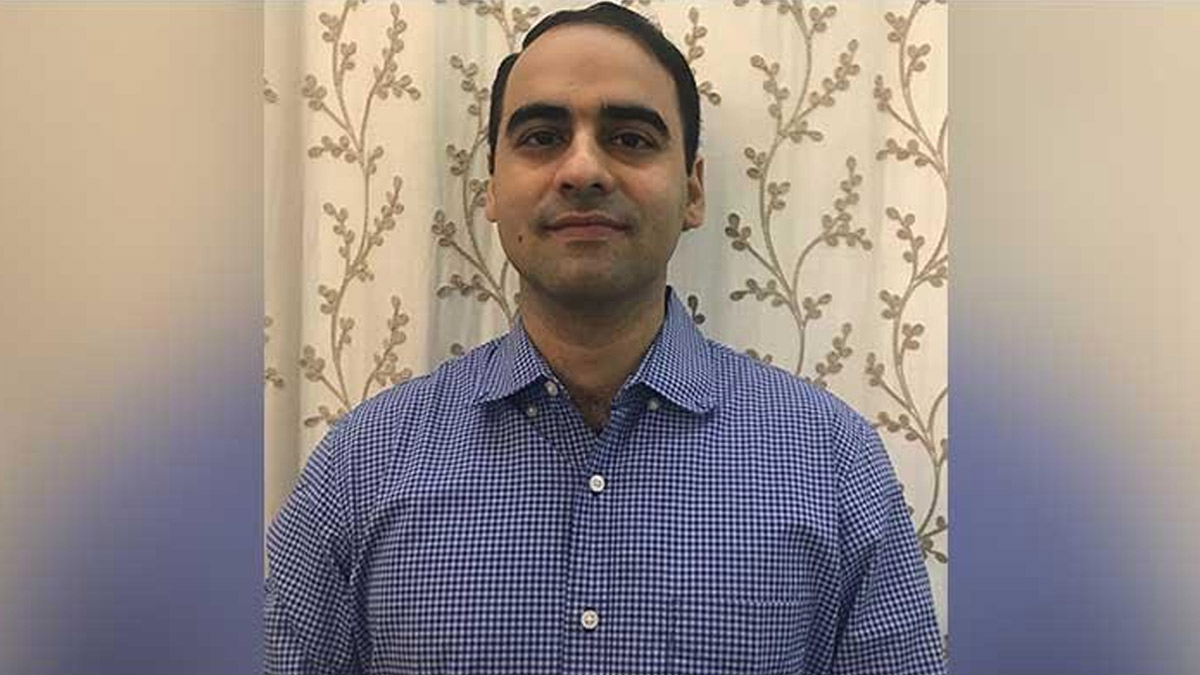
MUMBAI: After more than seven years of steering Uber through the bumpy roads of India’s mobility market, Ameya Velankar has decided to change lanes. Ameya Velankar has stepped down as Head of Marketing for India and South Asia, marking the end of a significant chapter at the ride-hailing company. He had been with Uber since 2019, taking on multiple roles in product and category marketing before rising to lead the marketing function for the region in 2021.
During his tenure, Velankar played a key role in strengthening Uber’s positioning in one of its most competitive and dynamic markets. He helped drive localised marketing strategies and scale adoption across key offerings such as Auto, Moto, Rentals and Intercity, tailoring global platforms to Indian consumer needs.
Prior to joining Uber, Velankar built his marketing expertise at leading consumer companies including SC Johnson and Marico, where he handled category and product leadership roles. His career began at RPG Enterprises.
Details of his next professional move have not been disclosed.
In a fast-evolving mobility landscape where brands constantly battle for attention, Ameya Velankar helped Uber stay relevant and resonant with millions of Indian users. As he moves on from the driver’s seat of marketing, the company will now look for fresh ideas to keep its wheels turning smoothly.






