
Brands
Apple unveils iPhone 18 Pro with variable aperture and 2nm A20 Pro chip
A20 Pro, smarter cameras and new health features headline Apple’s latest upgrades


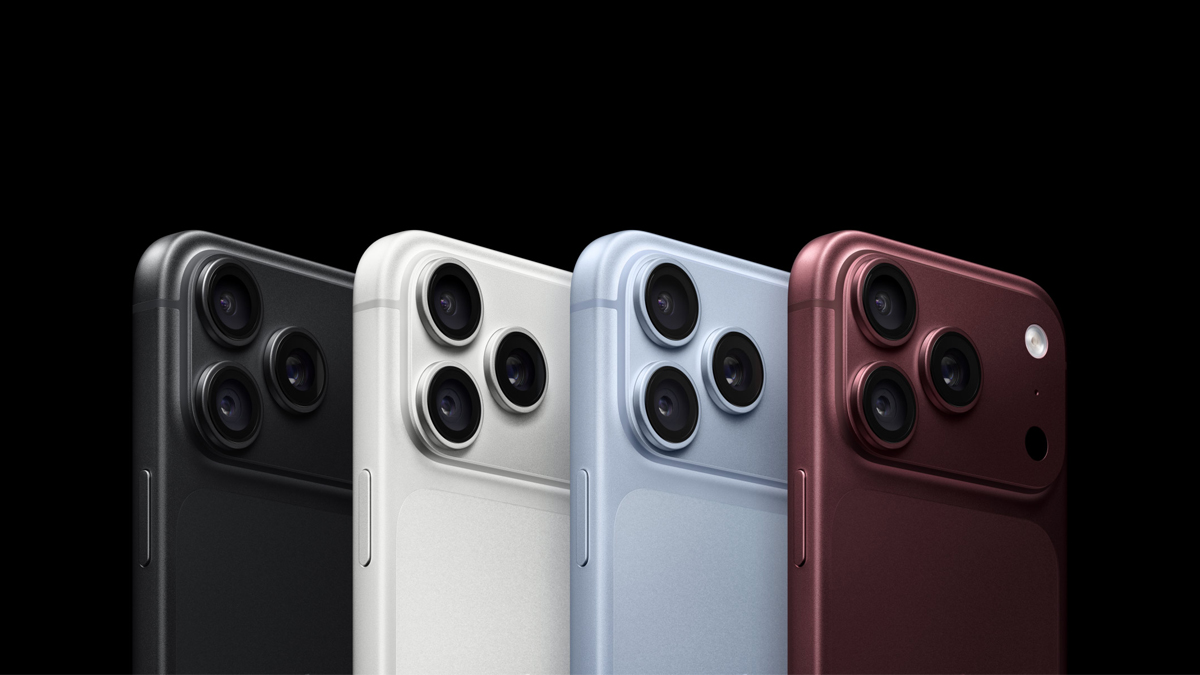
CUPERTINO: Apple is putting the aperture on its biggest iPhone camera upgrade yet. At its “Surprise and Shine” event, the company unveiled the iPhone 18 Pro and iPhone 18 Pro Max, alongside new Apple Watch models, AirPods and health-focused software features.
The new Pro iPhones bring a fresh 2-nanometre A20 Pro chip, a physically adjustable main camera aperture and longer battery life. Apple is also expanding its AI-powered features across its wider device ecosystem, making the latest launch less about one blockbuster product and more about getting its hardware to work smarter together.
The iPhone 18 Pro range is powered by Apple’s A20 Pro chip, built using a 2nm manufacturing process. The processor combines a six-core CPU, seven-core GPU and dual 16-core Neural Engine, with Apple claiming twice the AI performance of the previous A19 Pro.
The chip also adopts packaging inspired by Apple’s M-series processors, placing memory alongside the chip die. A larger vapour chamber is designed to improve heat management, with Apple claiming up to 40 per cent better sustained gaming performance.
That extra performance is paired with efficiency improvements aimed at extending battery life. The iPhone 18 Pro Max can deliver up to 45 hours of video playback, according to Apple.
Fast charging can take the phone to 50 per cent in 15 minutes, while the continued expansion of Apple’s eSIM-only approach creates additional internal space for larger physical battery cells.
The headline camera upgrade is a new 48MP Fusion Main camera with a variable aperture.
Rather than relying entirely on software to control exposure and depth of field, the camera uses six laser-cut blades to physically change the aperture. It can open to f/1.48 in low light, move to f/1.8 for portraits and close down to f/4.0 when users want more of a group scene in focus.
The system also adds professional manual controls, including shutter speed, ISO and histograms, giving photographers greater control over how images are captured.
Apple is also introducing Reference Image, which captures signed sensor data as a digital negative designed to help establish whether an image is genuine and has not been manipulated by AI.
The feature arrives as concerns around AI-generated and altered imagery continue to grow, putting greater emphasis on proving the provenance of digital photographs.
The iPhone 18 Pro models use Apple’s C2 cellular modem and N1 chip, bringing support for Wi-Fi 7 and Bluetooth 6.
The phones will be offered in Deep Black, Silver, Glacier and Burgundy finishes.
The iPhone 18 Pro starts at $1,199 with 128GB of storage, while the iPhone 18 Pro Max starts at $1,299 with 256GB.
Apple also turned its attention to health and fitness with the Apple Watch Series 12 and Apple Watch Ultra 4.
Both models introduce a new Readiness score ranging from 0 to 10. The feature combines daily vital signs, sleep and training load to offer users a snapshot of how prepared they may be for the day.
Rather than simply presenting a pile of health data, the system translates it into recommendations such as “Go For It” or “Pace Yourself”.
Apple is also adding accessibility and audio features, including Sound Recognition for sirens and alarms. Live Rewind lets users double-press the Digital Crown to replay and transcribe the previous 15 seconds of a conversation, while Siri can provide recaps of conversations.
The Apple Watch Ultra 4 gets an expanded titanium casing, improved satellite connectivity and additional battery-saving modes.
The Series 12 starts at $399, while the Ultra 4 starts at $799.
The new AirPods 5 bring Apple’s AI ambitions directly into the ear.
Using Apple Intelligence, the earbuds can provide live translated speech, allowing users to hear translations as conversations take place. Hands-free Siri controls also let users respond to simple prompts through head gestures, including nodding for yes and shaking the head for no.
Apple has also updated the acoustic architecture, Adaptive EQ and voice isolation to improve sound quality and call performance.
AirPods 5 start at $129.
Apple is also redesigning its Health app with a new Longevity tab and a Health Age metric.
The feature compares selected health and biometric indicators with a user’s chronological age, while the redesigned app brings together information on sleep, cardiovascular fitness and daily movement.
Instead of leaving users to interpret individual measurements, the app is designed to turn those signals into more digestible insights and daily summaries.
Across the launch, Apple’s strategy is clear: more performance, more personalised intelligence and more health information, all stitched into its growing device ecosystem. The iPhone remains the star of the show, but Apple is increasingly making the whole ecosystem the product.






