Brands
Apple raises prices of older iPhones in India as AI drives memory costs higher
The pricing reversal highlights how the AI boom is reshaping the economics of consumer electronics


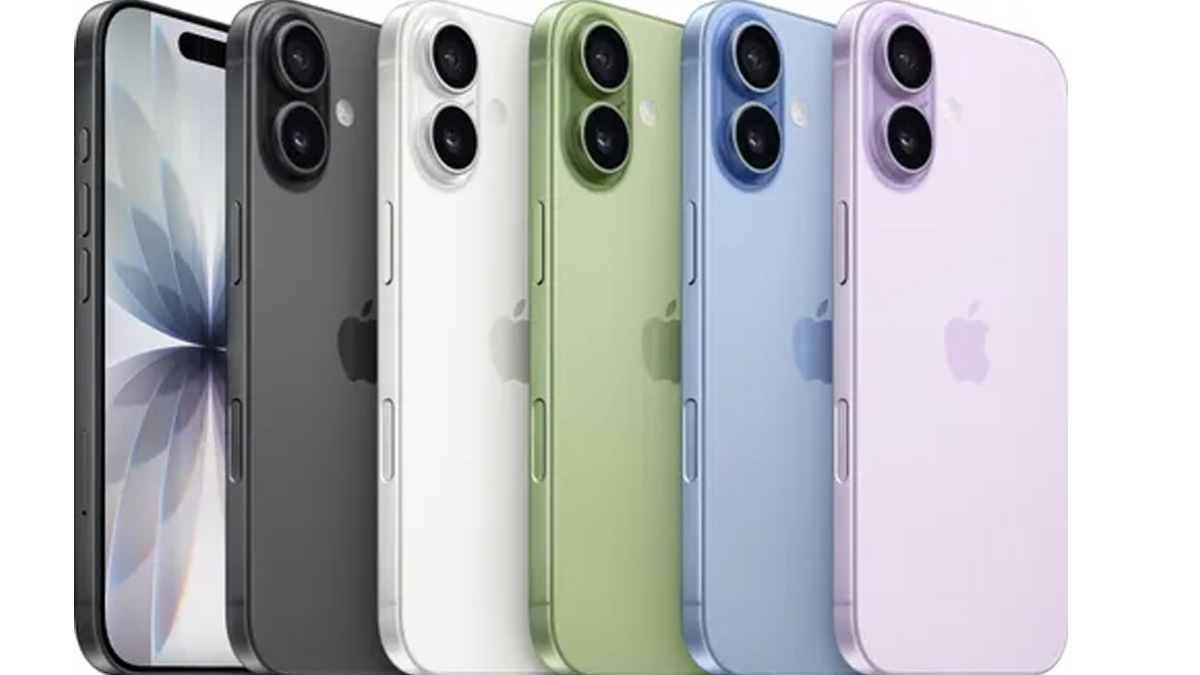
NEW DELHI: For years, buying an older iPhone after a new launch was one of the easiest ways to enter Apple’s ecosystem at a lower price. But Apple’s latest pricing move in India has flipped that equation.
Following the launch of the iPhone 18 series, the company has raised prices of several older models instead of cutting them. The iPhone 17 now starts at Rs 99,900, up from Rs 82,900, while the iPhone 17e has increased from Rs 64,900 to Rs 79,900. The iPhone Air has also moved up from Rs 1,19,900 to Rs 1,49,900.
The move is notable because older models have traditionally become Apple’s more affordable options after a new generation arrives. That pricing ladder has been particularly important in India, where several iPhone generations, including the iPhone 12 through iPhone 16, launched at Rs 79,900, according to pricing data cited by the Times of India.
The latest reset points to a broader pressure building across the electronics industry: the AI data centre boom is driving strong demand for memory chips, pushing up costs for other device makers.
Apple chief executive officer Tim Cook had earlier indicated that rising memory and storage costs were becoming difficult for the company to absorb. In a June interview with The Wall Street Journal, Cook said the pressure was significant and linked to unprecedented supply conditions.
AI data centres require large quantities of high-bandwidth memory (HBM), high-capacity DRAM and enterprise SSDs. According to Deloitte, memory manufacturers are increasingly directing capacity towards these AI-focused products.
That shift does not necessarily mean there is a broad semiconductor shortage. Instead, investment, production capacity and profits are increasingly moving towards products serving AI infrastructure, where customers are willing to pay a premium.
Deloitte expects global semiconductor sales to reach $975 billion in 2026, with AI infrastructure accounting for a significant portion of the growth. Strong demand for HBM has also contributed to tighter supplies of consumer memory such as DDR4 and DDR5.
For smartphone and PC makers, this creates a difficult equation. They are competing for components against an AI industry spending heavily on data centres and advanced computing infrastructure.
Deloitte has warned that elevated memory prices could affect consumer electronics, including smartphones and PCs. Relief may not come quickly either, with new semiconductor capacity potentially taking three to five years to build and scale. Supply tightness could persist until 2029 or 2030 if demand from hyperscalers remains strong.
Apple has more room than many rivals to absorb or pass on higher costs because of its premium customer base, financing options and trade-in programmes. Lower-margin smartphone makers could face a tougher choice between protecting margins and keeping prices competitive.
If memory costs remain elevated, consumers could see higher device prices, slower upgrade cycles or fewer specification upgrades.
Apple’s decision to raise prices on older iPhones is therefore more than an isolated pricing change. It could signal that the traditional smartphone pricing model, where yesterday’s flagship becomes cheaper after every launch, is becoming harder to maintain.
India-specific factors also matter. Currency movements, taxes, import costs and Apple’s assessment of the premium market can influence local pricing. These factors mean memory inflation cannot explain every rupee of the increase.
But the broader pressure is clear. Memory and storage components are used across smartphones, PCs, cars and other electronics, meaning companies across industries are competing for capacity in a market increasingly shaped by AI demand.
The current cycle differs from the global chip shortage of the pandemic era. The issue is not simply a lack of chips, but the fact that AI infrastructure has become one of the most lucrative destinations for semiconductor capacity.
For Indian consumers, the immediate impact is simple: waiting for a new iPhone launch no longer guarantees that the previous generation will become cheaper.
The iPhone 18 may be Apple’s latest model, but the bigger surprise this year is what happened to the iPhones that came before it.