
Brands
Apple adds photo authentication feature to iPhone 18 Pro
Apple Reference Image creates a signed record of what the camera originally captured


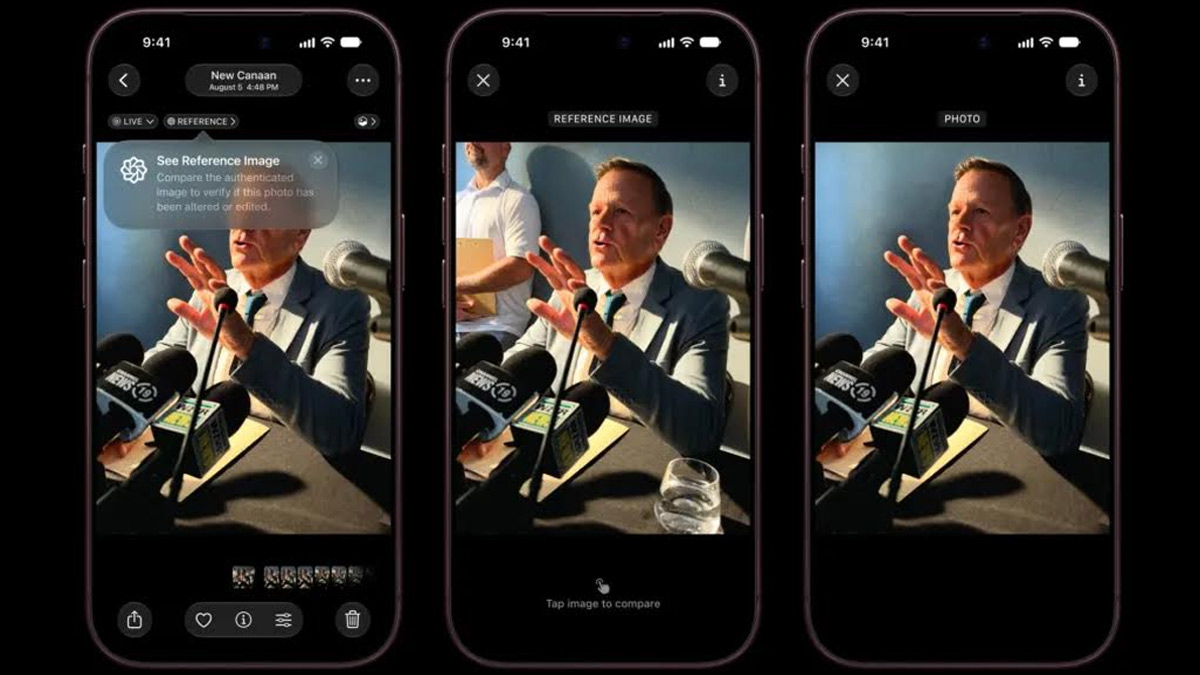
MUMBAI: In a world where a picture can be worth a thousand edits, Apple wants the camera to have the last word on what was actually captured.
The company has introduced Apple Reference Image, a new photo-authentication feature on the iPhone 18 Pro designed to help users establish whether an image matches what the phone’s camera originally recorded.
The feature creates a separate reference version of a photograph using signed data captured by the iPhone’s main camera sensor. Apple said it could be particularly useful for photojournalists and photographers who need to establish the authenticity of their images.
When Reference Image is enabled, the camera records signed sensor information at the moment a photograph is taken. Apple’s Private Cloud Compute then processes that information into an unalterable reference image, which can be viewed alongside the regular photograph in the Photos app.
Users can compare the two versions to identify changes made to the original image. Apple describes the reference version as being similar to a digital negative, while stressing that it does not replace the standard photograph. That allows photographers to keep an editable image while retaining a separate record of what the camera captured.
The feature is initially available for viewing through the Photos app, while APIs will allow developers to bring reference-image viewing into their own applications. Apple has also announced support for the SynthID standard, which can help identify images created or modified using AI.
The authenticity push arrives alongside a significant camera upgrade on the iPhone 18 Pro. Its 48-megapixel Fusion Main camera now gets a variable aperture, giving users greater control over the amount of light entering the lens and the resulting look of photographs.
Apple said the variable aperture could be particularly useful for low-light photography. The system uses six laser-cut blades, each thinner than a human hair, alongside a specialised polymer composite, a new rotor mechanism and a custom-designed lens.
Apple has described the iPhone 18 Pro as its biggest camera improvement in years, but the more interesting shift may be happening after the shutter is pressed: the phone is now designed to preserve not just the photograph, but evidence of where that photograph began.






