Brands
AnyMind seals sweet deal with AnyReach to power up global gift-tech game
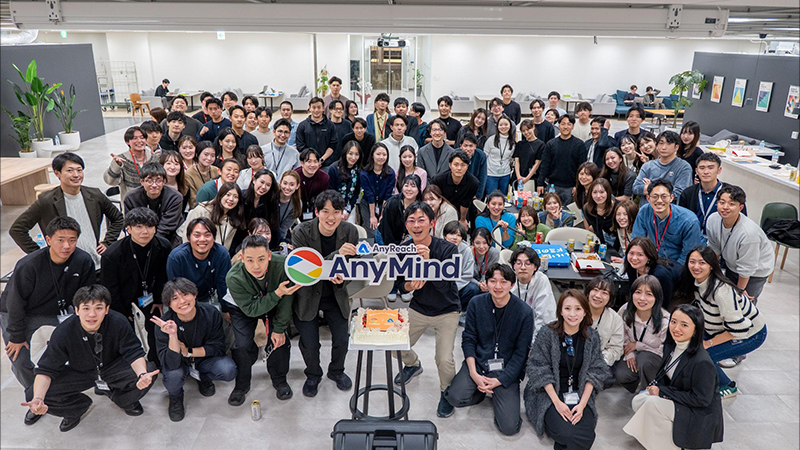
MUMBAI: Wrapped with tech and tied with synergy, Anymind Group has just added another bow to its box of digital surprises this time, a full acquisition of Japanese e-gifting innovator, Anyreach. The Tokyo-based firm, best known for its platform Anygift, will now operate under the Anymind umbrella, marking the group’s 10th acquisition and its fifth in Japan.
Founded in 2016, Anymind has grown into a global BPaaS (Business Process as a Service) player across marketing, e-commerce, and digital transformation, now spanning 15 markets. Its latest move not only fortifies its grip on the booming e-commerce landscape but also gifts it a stronghold in Japan’s rapidly expanding digital gifting space.
AnyGift, used by over 700 companies in Japan lets online shoppers send physical or digital gifts without needing the recipient’s address, a feature that has found massive favour in a market projected to hit 257 billion dollars by 2027.
On the completed acquisition, Anyreach CEO and founder Konosuke Nakajima said, “We founded AnyReach in 2021 with the mission to create a global e-gifting platform. In less than three years, Anygift has been adopted by over 700 companies, solidifying its position in Japan. By joining forces with AnyMind Group, which operates in 15 countries and regions, we can expand globally and continue innovating beyond digital gifting, incorporating offline experiences as well. Together, we aim to build the world’s No.1 platform in the gift-tech industry.”
Anymind Group CEO and co-founder Kosuke Sogo said, “With this acquisition, our 10th M&A deal and fifth in Japan, we are accelerating our expansion in the e-commerce space. By combining our technology and expertise in marketing and e-commerce with AnyReach’s e-gift platform, we will provide new value to enterprise e-commerce strategies, support brand growth, and deliver unique purchasing experiences to consumers worldwide.”
The acquisition brings a potent trifecta of capabilities into play. By fusing Anygift with Anymind’s e-commerce platform AnyX and influencer marketing engine Anytag, the newly united teams are poised to offer next-level solutions to brands looking to stand out in the digital bazaar.
Beyond business, the acquisition symbolises a new phase in what both companies call the “gift-tech” revolution where digital convenience meets emotional expression, now at a global scale.
From Southeast Asia to the world, it seems gifting just got an upgrade.

Brands
Estée Lauder to shed 10,000 jobs as new boss bets on digital shift
The cosmetics giant raises its profit outlook but stays silent on a possible merger with Spain’s Puig, as job cuts deepen and a three-year sales slump weighs on the turnaround
NEW YORK: Stéphane de La Faverie is not done cutting. Estée Lauder announced on Friday that it plans to eliminate as many as 3,000 additional jobs, taking its total redundancy programme to as many as 10,000 roles, up from a previous target of 7,000 announced a year ago. The company, which owns La Mer, The Ordinary, Tom Ford, and Aveda, employs roughly 57,000 people worldwide. The mathematics of what is now being contemplated is stark.
The fresh round of cuts is expected to generate a further $200 million in savings, bringing the total annual savings from the programme to as much as $1.2 billion before taxes. That money, De La Faverie has made clear, will be ploughed back into the turnaround.
A CEO in a hurry
De La Faverie, who took the helm in January 2025, inherited a company that had endured three consecutive years of annual sales declines. His response has been to move fast and cut deep. A significant portion of the latest redundancies reflects his push to reduce headcount at US department stores, long a cornerstone of Estée Lauder’s distribution model but now a channel in structural decline. In their place, he is accelerating the shift toward faster-growing online platforms, including Amazon.com and TikTok Shop, a pivot that is reshaping not just where Estée Lauder sells but how it thinks about its customers.
The numbers are moving in the right direction
Despite the pain, there are signs the medicine is working. Estée Lauder raised its profit outlook for the remainder of the fiscal year, guiding for adjusted earnings per share in the range of $2.35 to $2.45, above analyst estimates and a notable step up from the $2.05 to $2.25 range it had guided for in February. Organic net sales growth is expected to come in at 3 per cent, the company said, at the high end of the range it set out in February.
The share price tells a mixed story. After De La Faverie took charge, the stock surged nearly 60 per cent, buoyed by investor optimism that a longtime company insider could finally arrest the decline. But 2026 has been rougher: the shares have fallen 27 per cent this year, weighed down by disappointing February results and the overhang of unresolved merger talks with Spanish beauty giant Puig Brands SA. The company gave no additional details about those discussions on Friday, leaving the market to guess.
Silence on Puig
The proposed tie-up with Puig remains the most consequential unknown hanging over Estée Lauder. A deal with the Barcelona-based group, which owns brands including Carolina Herrera and Rabanne, would reshape the global luxury beauty landscape. But with nothing new to say and a turnaround still very much in progress, De La Faverie is asking investors to trust the process.
Three years of sales declines, 10,000 job cuts, and a merger that may or may not happen. At Estée Lauder, the overhaul has barely started.