MAM
Anatomy of the top 100 brands 2013

MUMBAI: This year, Apple has re-written history by replacing Coca-Cola, the number one brand for the past 13 years, as the new numero uno in the coveted top 100 global brands announced by brand consultancy, Interbrand.
Interestingly, it’s not as if Coca-Cola got it wrong this time round. Rather, the FMCG brand has been on a successful spree; winning awards, launching brilliant campaigns, and engaging people in popular initiatives like Coke Studio. Just that technology and new media have emerged leaders this year.
 |
|---|
|
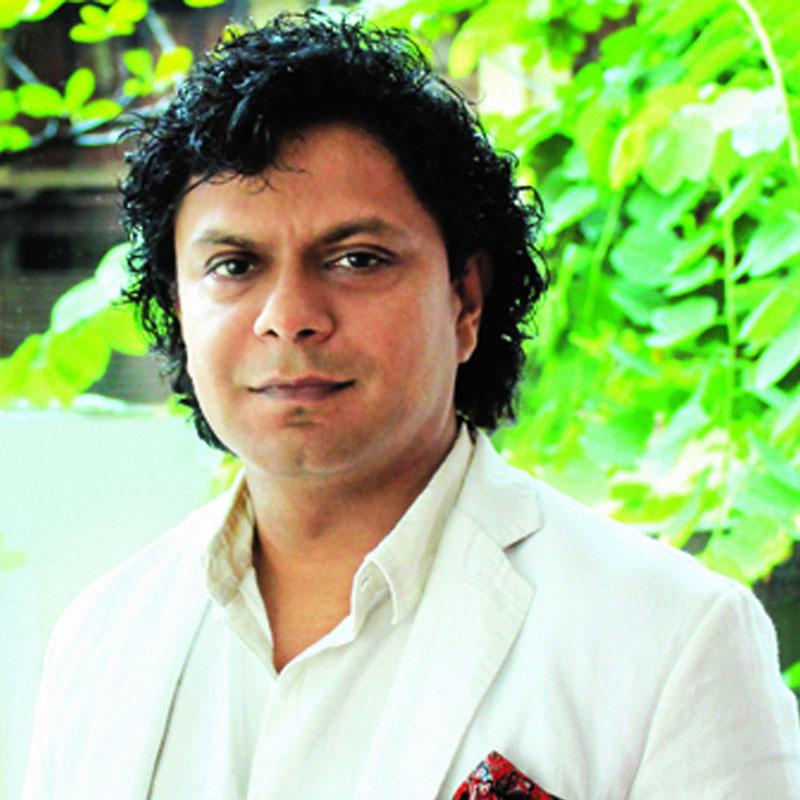
Ashish Mishra says the report tries to find an answer to who really leads the brand the marketer or the consumer, or both
|
Says Interbrand India managing director Ashish Mishra: “If we look at the top five or ten, its technology and new media which is leading the pack and this is the trend all across.”
The top 10 brands convey a message: A brand today has got to be all about the people. And how anticipation, co creation, conversation, innovation, investment in people & big data, strategic CSR and new leadership is the new way ahead. Mishra goes on to say that Apple has climbed the charts because of the Apple culture is has fashioned across the globe.

East is East, West is West
What emerges from the list is that most of the top 100 brands belong to the Western world. So is it to do with our white fixation or the fact that brands from the US, UK, Germany or France have made a name for themselves globally?
“A brand needs to be where the top 10 GDPs are,” says Ashish, adding that apart from the brands’ financial performance, their role in influencing consumer choice, the strength they command as also recognition across the globe are important factors while determining their value.
What is more unfortunate is that no Indian brand figures in the top 100. The consultancy reasons it’s all about diversification.
Mishra explains that post Independence, India grew at a fast clip while business grew in various directions. For example, Tata today means different things i.e. Tata Steel, Tata Motors, TCS etc. to different people. Ditto for other Indian conglomerates, which diversified into different brands and sub-brands, which in turn grew bigger than the mother brand in some cases.
“An organisational structure is important and somewhere down the line, custody of sub-brands was handed over to people (CEOs, CMOs, CFOs etc) who took charge but forgot to work towards the mother brand,” says Mishra of the irony of the Indian market.
The agency is helping many companies in India to bridge the gap and be part of the global brands. And to achieve it, the agency feels the companies need to have an inside-outside perspective wherein they need to go to the right markets after creating a name for themselves here as well as compete with the global counterparts on the same parameters.
Media not so savvy
Of the top 100, the only media brands are Disney, Thomson Reuters, Discovery (new entrant this year) and MTV. Implying that while media may be the most influential opinion maker for readers and viewers, it somehow fails to impress brand creators.
While the consultancy does evaluate media brands excluding publishing houses, very few made it to the list. Also, the consultancy made an exception for India and China by taking into consideration government-owned brands because of their sheer number in these countries.
“The names in the list are the most influential brands globally. But if you look at the media in a broader context, then many other brands too would be included. For example, Facebook,” says Ashish. Incidentally, the top 30 brands evaluated by the consultancy in India did not have a single name from the media.
Whatever may be the case, the names that figure on the list demonstrate that these brands have indeed managed to deliver meaningful and seamless experiences across all platforms and touch points.
Click here for Interbrand‘s Best 100 Global Brands





Brands
Kingfisher signs three-year IPL partnership
Packaged water brand signs on as ‘good times partner’ for 2026–28 cycle
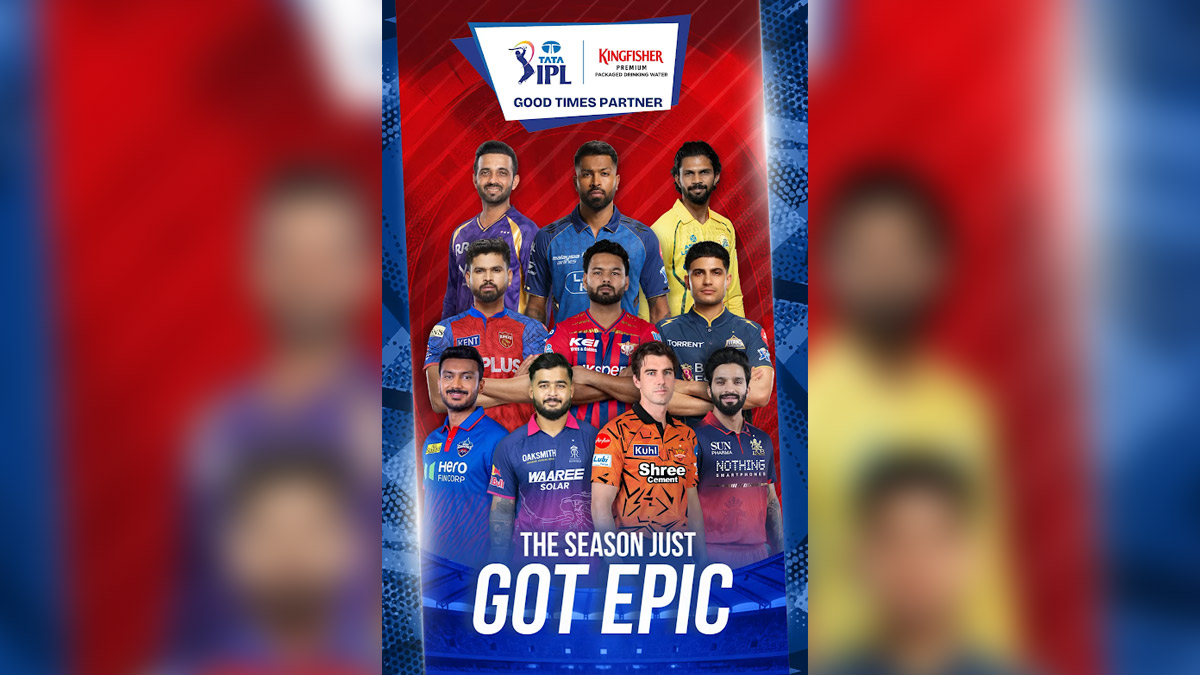
MUMBAI: Kingfisher Premium Packaged Drinking Water is betting big on cricket’s biggest stage, sealing a three-year partnership with the Board of Control for Cricket in India to sharpen fan engagement at the TATA Indian Premier League.
The brand, owned by United Breweries, will serve as the official “good times partner” for the men’s IPL from 2026 to 2028, extending a relationship that began with the Women’s Premier League. The move signals a broader push to embed itself deeper into live sport, with a focus on immersive, consumer-led experiences rather than conventional sponsorship visibility.
At the heart of the tie-up is a suite of fan-first activations spanning broadcast, stadiums and digital channels. These include the “Kingfisher Bird Cam”, offering a branded spider-cam perspective during live matches, and the “Good Times Zone”, an in-stadium entertainment hub during play-offs aimed at amplifying match-day buzz. The brand will also back IPL fan parks, elevate public screening experiences and run digital contests tied to key moments through the season.
Vikram Bahl, chief marketing officer, United Breweries, said cricket in India “is more than a sport, it is a shared cultural moment”, adding that the IPL brings that energy alive at scale. “For Kingfisher Premium Packaged Drinking Water, being present at the heart of these moments, in partnership with the BCCI, is a natural extension of what we stand for. Through this association, we aim to enrich how fans experience the game… making every match more immersive, social and memorable,” Bahl said.
Devajit Saikia, honorary secretary, BCCI, said the IPL “has always been at the forefront of redefining sports entertainment and fan engagement”. He added that the collaboration would fuse cricket fandom with “innovative fan experiences that extend beyond the stadium”, helping create memorable moments for audiences nationwide.
For United Breweries, part of the HEINEKEN group, the play is clear: move from passive branding to active participation in the fan journey—on screens, in stands and across social spaces. With millions tuning in and turning up each season, the IPL remains the country’s most potent marketing theatre. The question now is whether “good times” can translate into lasting brand recall in a market where visibility is easy, but engagement is hard-won.








