Brands
Amitabh Suri named CEO of Flying Machine

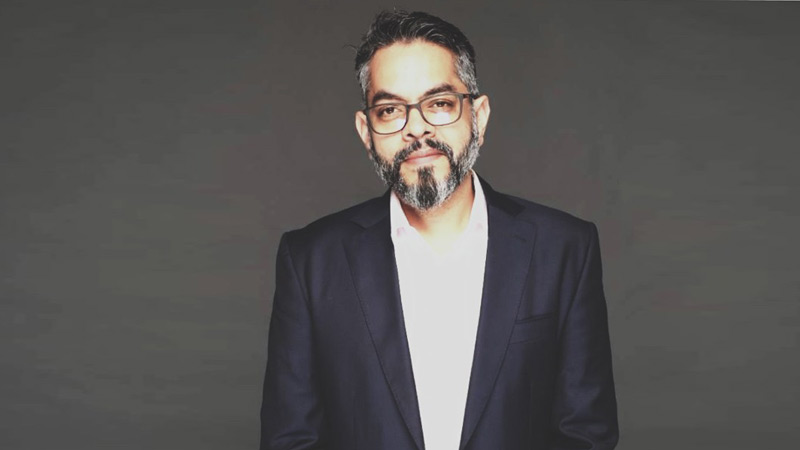
Ahmedabad: Arvind Fashions is doubling down on execution. The Lalbhai Group company has appointed Amitabh Suri as chief executive officer of Flying Machine, adding the role to his current mandate as ceo of U.S. Polo Assn. in India, as it recalibrates its brand engine for a fast-shifting apparel market.
The move puts Flying Machine, India’s first homegrown denim label, under a leader known for scaling lifestyle brands at speed. The brand will continue to anchor itself around youth-led fashion, denim-first design and relevance for millennials and Gen Z, segments where competition is intensifying.
Suri brings over 25 years of experience across apparel and lifestyle retail, spanning brand building, retail operations, supply chain leadership and omni-channel strategy. At Arvind Fashions, he has grown the U.S. Polo Assn. into one of India’s largest casualwear brands, clocking revenues of over Rs 1,800 crore across menswear, womenswear, kidswear, footwear and innerwear.

Before joining Arvind, Suri spent 18 years at Indian Terrain Fashions, transforming it from a wholesale-led business into a listed retail brand with turnover reaching Rs 415 crore. His international exposure includes a stint as ceo of Iconic at Landmark Group, where he oversaw operations across the UAE, Kuwait, Qatar and Saudi Arabia.
Earlier, he served as president for exclusive brands and private labels at Shoppers Stop, managing a Rs 800 crore portfolio that included Jones New York, French Connection UK, Back to Earth and Glam X Disha Patani.
With Suri now steering two of Arvind’s key brands, the message is clear. In a market where denim is being rewritten for a younger, faster consumer, Flying Machine is betting on seasoned hands to move quicker, sharper and louder.





Brands
YES Bank appoints S Anantharaman as chief risk officer
Former Jio Financial Services group chief risk officer takes charge of enterprise-wide risk at the embattled private lender
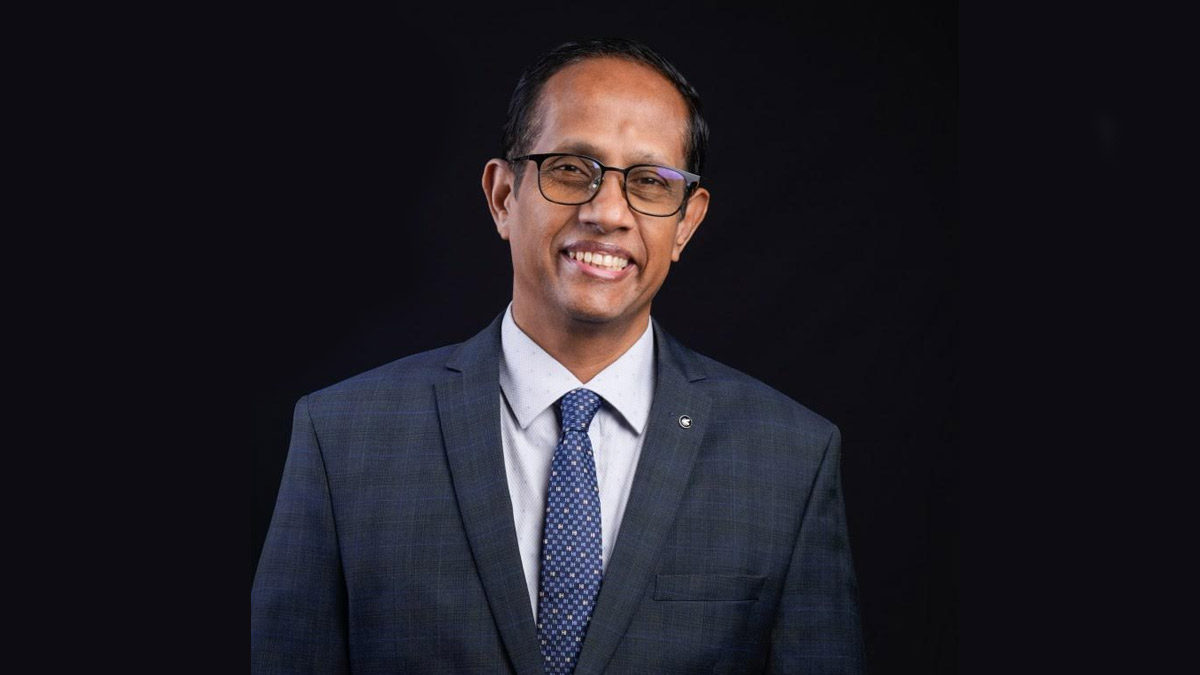
MUMBAI: YES Bank is not taking chances with risk anymore. The private lender has appointed S Anantharaman as its chief risk officer, a hire that signals the bank’s continued effort to rebuild credibility and tighten the controls that once famously slipped.
Anantharaman arrives from Jio Financial Services, where he served as group chief risk officer and built a risk management architecture spanning lending, payments, insurance broking and asset management from the ground up. Before that, he held the chief risk officer role at Bank of Baroda and senior leadership positions at HDFC Bank and L&T Finance Holdings. Three decades in banking and financial services, in other words, with scars and qualifications to match. He is a chartered accountant and a CFA charterholder.
At YES Bank, his brief is considerable. Anantharaman will oversee the bank’s entire enterprise-wide risk framework, covering credit policy, market risk, operational risk, information security, data governance, analytics, model governance and data privacy. It is, in short, every lever that matters when a bank is trying to prove it has grown up.
YES Bank’s turbulent past needs little rehearsing. What it needs now is exactly what Anantharaman has spent thirty years building: the kind of risk culture that stops problems before they become headlines. The appointment suggests the bank knows it.






