MAM
Akasa Air launches refreshed menu on-board Café Akasa

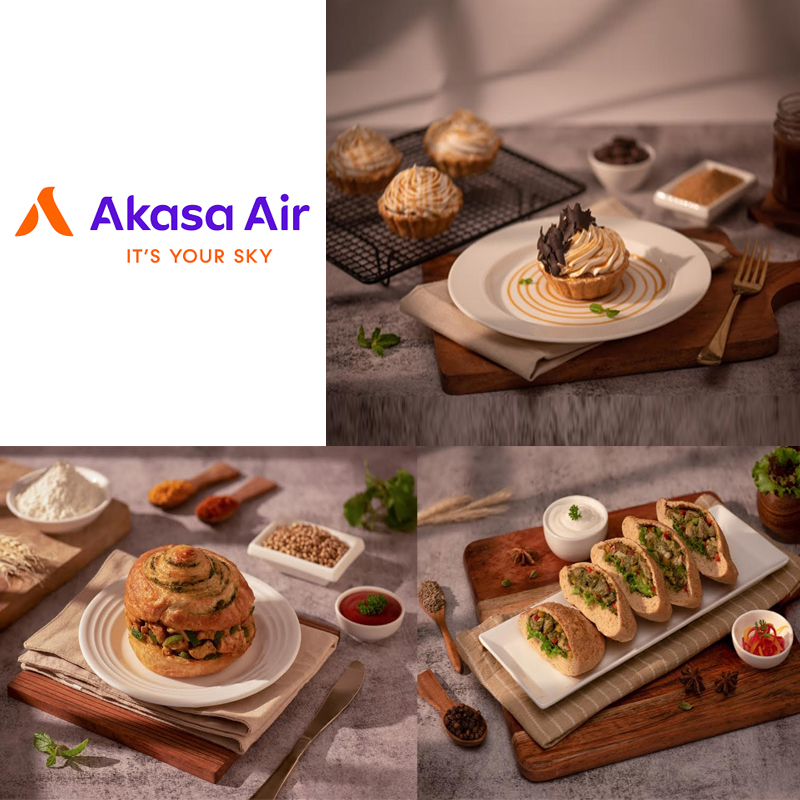
Mumbai: Akasa Air has announced an enhanced inflight food and beverage menu across its network as part of its constant endeavour to provide a differentiated culinary experience in the skies. Café Akasa, the airline’s inflight meal service has evolved its unique and varied menu offering, with a wide array of meal options – including healthy meals, festive favourites, gourmet, and fusion meals, while retaining some original favourites. The new menu boasts over 60 meal options which have been exclusively curated with reputed chefs from across India. The menu refresh is the airline’s response to an extensive exercise to understand customer preferences and consumer dining trends while staying true to its promise of delighting customers with fresh and innovative offerings.
Akasa Air co-founder and chief marketing & experience officer Belson Coutinho said, “India is a melting pot of various cultures, and this reflects in our gastronomical landscape as well. With an impressive selection of over 60 items, the new Café Akasa menu is carefully curated with a range of delectable snacks, hearty meals, indulgent desserts and festive favourites to provide a taste of global, fusion and local flavours. We have refreshed our menu in response to the resounding, positive feedback
from our customers. The new menu presents a highly evolved assortment of multi-cuisine, tasty and healthy meals, ensuring that there is something to cater to a wide-ranging culinary preference, as we uphold our ethos of serving high quality, elevated flying experience to our valued customers”.
Some of the most interesting additions include unique, industry-first options like Avocado & Tomato Croissant, Chicken Tikka Mint Mayo & Capsicum in Chutney pinwheel, Mushroom & Feta Quiche, Chicken Kakori Kebab Turnover, Oats & Berry Muffins and Orzo Duck Salad. Favourites being retained in the menu include Kathi Roll, Mediterranean Bagelwich and Mushroom & Brie Croissant among others.
Focus on inclusivity
The new menu at Café Akasa is curated keeping in mind increasing customer preferences and attempts to provide high-quality appetising meals with something for everyone. A curated range of delectable snacks, hearty meals, festive and celebratory meals in addition to indulgent desserts, provide a taste of global, fusion and local flavours alongside great value for money.
Health and nutrition as a key focus
A healthy and well-balanced lifestyle need not be comprised while travelling. Café Akasa’s new menu ensures that flyers can stay committed to their health regimes by providing vegetarian, non-vegetarian, vegan and healthy meal options at Café Akasa. Further, all these meals are wholesome with high rich nutritional value and are prepared with the highest standards of hygiene and quality. The new menu includes a range of salads such as Insta-worthy Salad, Basil pesto chicken salad, Chick-a-licious Salad and Quack Pack Salad which are all prepared with nourishing and hearty ingredients.
Moreover, given the plethora of health benefits of millets and as an ode to the Government of India and the United Nations’ mission to create awareness and increase the production & consumption of millets, Café Akasa has also introduced a millet salad with pomegranate seeds and lemon olive oil dressing.
A blend of traditional and modern palette
Classic yet contemporary, the new menu incorporates the perfect harmony between traditional, international and gourmet meal choices. The selection includes Indian flavours such as Achari Paneer Wrap and Chicken Kakori Kebab Turnover to international dishes such as Grilled Chicken Mustard Corn & Zucchini Wrap as well as Asian Vegetarian Bento Box.
Exhibiting the vastness of Indian cuisine, the menu includes a myriad of regional delicacies such as Misal Pav, Biryani, and Idli Sambar. The menu also comprises the Care-free-al Poi, a traditional Goan chicken cafreal with greens and coconut mayo in freshly baked poi bread.
Special year-round festive meals
Since its inception, the airline has launched specially curated festive meals inspired by regional delicacies associated with celebrations during popular festivals and special occasions like Ganesh Chaturthi, Dusshera, Diwali, Christmas, Makar Sankranti, Holi, Eid al-Fitr, Valentine’s Day, Mother’s Day, and Yoga Day. Each unique meal is specially curated to share the joy of celebrations and revel in the country’s festive spirit. For instance, the Mother’s Day meal included a methi thepla and sweet mango pickle to offer the airline’s customers the same comforting flavours of a mom-cooked meal and relive the memories of moments spent around the family table. Café Akasa offers a pre-selection of cakes on its menu for flyers who want to celebrate birthdays and other special occasions with their loved ones at 30,000 feet above the ground.
Industry-first offerings to impart a gourmet dining experience in the skies
The menu is designed to delight taste buds with gourmet, fusion flavours. The assortment includes croissants, tarts, Vietnamese rolls, hot chocolate and kombucha among others. The wide selection of never seen before in-flight items have been curated to delight customers and provide a unique culinary experience.
Committed to the agenda of sustainability, the packaging for all perishable meals is 100 per cent recyclable and made from paper which is ethically sourced from sustainably grown crops. Meal boxes are manufactured without any bleach or other optical brightening agents (OBA) chemicals. The wooden cutlery onboard is also biodegradable. Moreover, when passengers pre-book their meals before flying with Café Akasa we eliminate food wastage as all perishable meals are accounted for.




