MAM
AI could unlock billions for India’s $30 billion media industry, says JioStar vice-chairman Uday Shankar
JioStar vice-chairman urges industry to seize once-in-a-generation AI moment to turn India into the world’s creative capital

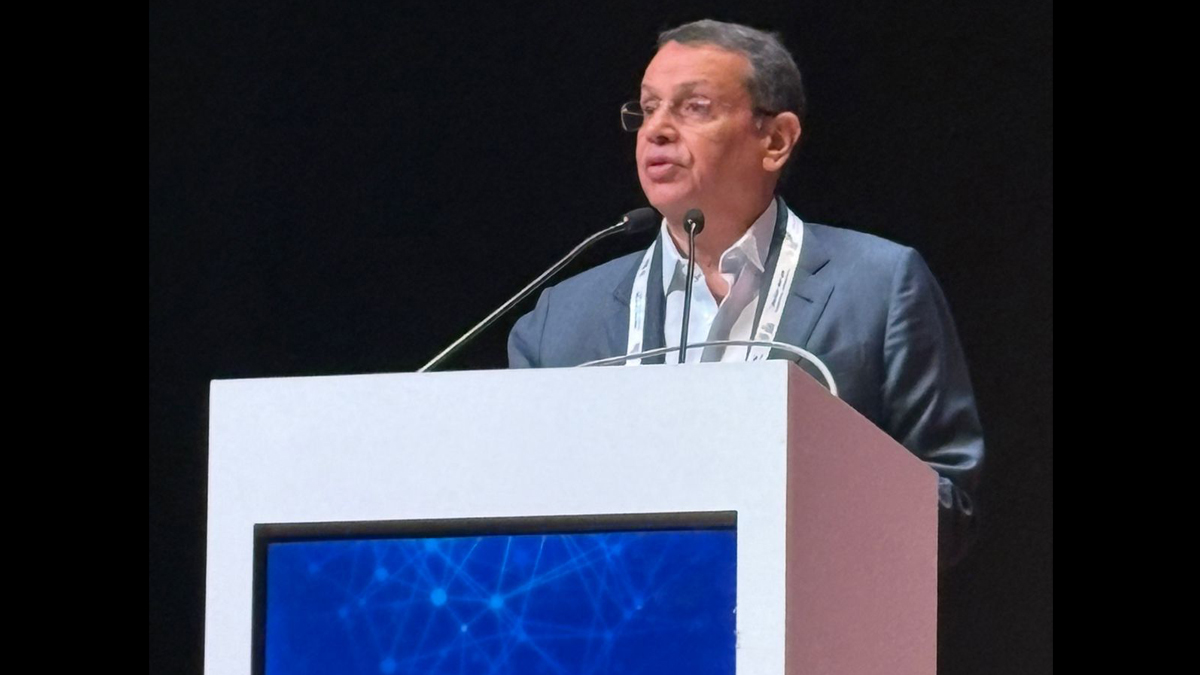
DELHI: India’s media industry stands at a historic inflection point. Artificial intelligence, long discussed as a technological disruptor, could now become the lever that propels the country from a domestic content giant to a global creative powerhouse.
Delivering the keynote at the IndiaAI Impact Summit, Uday Shankar argued that AI offers India a once-in-a-generation opportunity to lead, not follow, in global media and entertainment.
Shankar credited the prime minister’s vision for centring India’s growth agenda around AI and described the summit as overdue . Drawing on three decades in media, he traced the industry’s transformation from the arrival of the first newsroom computers to the launch of India’s earliest digital platforms, each wave of technology reshaping speed, scale and audience engagement.

The numbers tell a story of staggering growth. In just 25 years, India’s media and entertainment sector has expanded from a few billion dollars to become the world’s fifth-largest market, contributing more than $30bn to the economy. Television households have jumped from about 70m to over 210m, with more than 800m video consumers today.
Yet global influence remains elusive. While South Korea exported Squid Game and Parasite to worldwide acclaim, and Puerto Rico produced the most-streamed artist on the planet, India has struggled to consistently break through beyond its domestic and diaspora audiences .
The constraints are structural. Hollywood studio productions command budgets of $65m to $100m, with tentpoles running as high as $300m. The average Indian film operates on $3m to $5m . A marquee US television episode can cost $20m to $30m; an Indian serial is typically produced for Rs 7 lakh to Rs 10 lakh per episode, roughly $10,000. The capital gap, Shankar argued, has narrowed ambition and limited global competitiveness.
AI, he said, changes the equation by rewiring the three pillars of the industry: content, consumer and commerce.
On content, AI-powered production is collapsing infrastructure costs and accelerating timelines. At JioStar, the company recently produced Mahabharat: Ek Dharmayudh, a 100-episode live-action series delivered three to five times faster than a traditional production pipeline. The implication is stark. The remaining constraint is no longer capital, but imagination.
On consumers, AI enables conversational discovery, interactive storytelling and regionalisation that goes beyond simple dubbing to reflect India’s linguistic texture. On commerce, it unlocks granular segmentation and dynamic pricing, moving beyond the blunt instruments of subscription and advertising that have defined the industry for a century.
The prize is vast. The global media market, currently worth nearly $3trn, is projected to reach $3.5trn by 2029. India’s share remains under 2 per cent. Even a shift to 5 per cent would generate tens of billions of dollars in additional value.
But Shankar cautioned that opportunity does not guarantee outcome. He called for three commitments: self-disruption before external disruption, aggressive skilling to create AI-native creative hybrids, and policy frameworks that accelerate rather than constrain innovation.
Hollywood’s defensive posture towards AI, he suggested, offers India a rare window to design the business models and regulatory frameworks that could set global precedents. The shift in advantage, he argued, favours nations with deep cultural reservoirs and massive audiences.
The question is no longer whether India can lead in the AI age of media, he concluded, but whether it will move fast enough to claim that position.
The stories were always here. Now the technology has caught up.




MAM
Boost Milkshake launches ‘The New Secret of Mahi Energy’ campaign with MS Dhoni
VML India crafts energetic tribute linking cricketing icon’s legacy to Gen Z fans.
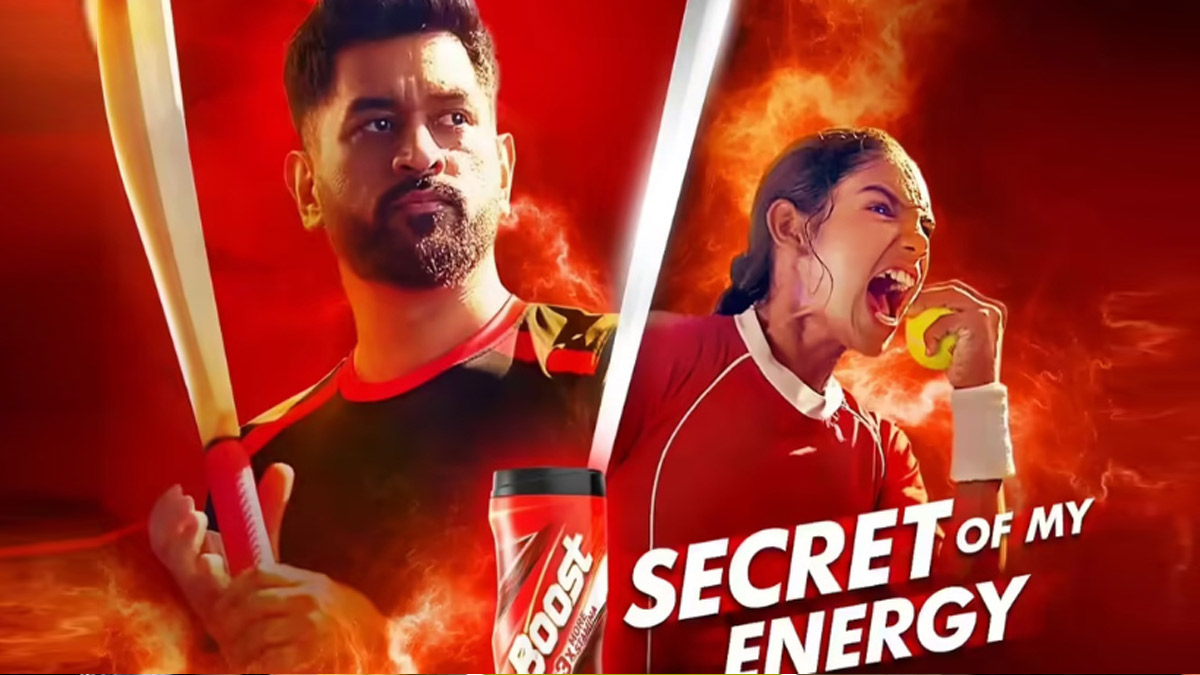
MUMBAI: Boost Milkshake has found a fresh way to charge up its brand by plugging straight into the unbeatable energy of Mahendra Singh Dhoni and his millions of passionate fans. VML India has created an electrifying new campaign for Boost Milkshake titled ‘The New Secret of Mahi Energy’. The multi-channel, social-first campaign celebrates Dhoni’s enduring legacy of excellence, resilience, and drive, while cleverly positioning the ready-to-drink milkshake as the secret fuel behind “Thala’s” iconic Number 7 energy.
Designed specifically for Gen Z’s digital habits and love for authentic, shareable experiences, the month-long campaign blends cultural insight with high-impact creative execution. It features captivating out-of-home activations in Mumbai, Chennai and Guwahati, along with strong social-first initiatives amplified by authentic Dhoni fan pages and influencers, including superfan Saravanan Hari.
VML India managing partner for North Jaibeer Ahmad said, “Boost has always stood for the energy that fuels belief. Today, energy is not just physical, it’s emotional, collective, and contagious. Boost Milkshake taps into this new-age energy, fuelling the passion of a billion fans who power every moment of greatness.”
VML India, senior VP and executive creative directors Nakul Sharma and Tirtha Ghosh added, “MS Dhoni isn’t just a player in India, he’s a phenomenon. We turned fandom from a passive emotion into an active source of energy. The same energy that powers Mahi also lives within his fans.”
Hindustan Unilever Limited (HUL) head of brand building for lifestyle nutrition Shailee Chatrath Tyagi noted, “Boost is the OG of cricket culture. With the national launch of Boost Milkshake in ready-to-drink format, ‘The New Secret of Mahi Energy’ is a befitting tribute to the eternal equation of Mahi and his million fans.”
Timed perfectly with the ongoing IPL season, the campaign reinforces Boost Milkshake’s connection with a new generation while celebrating Dhoni’s legendary status as he once again dons the iconic Number 7 jersey.
In a country where cricket runs on emotion as much as skill, Boost has smartly shifted the narrative, the real secret of Mahi’s energy isn’t just inside the champion, it’s also inside the millions of fans cheering him on. And now, there’s a tasty milkshake to power that collective belief.






