AD Agencies
Advertisers to spend $66 bn on sponsorship this year: WARC report

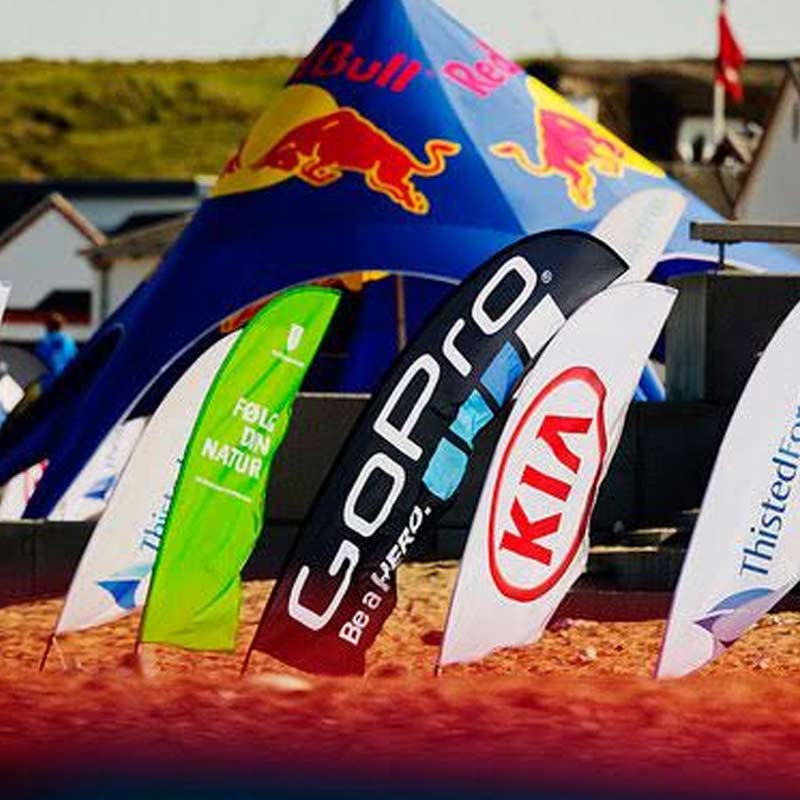
MUMBAI: Advertisers are expected to spend a combined $66 billion on sponsorship this year, though fewer than one in five are confident that they can actually measure the business value return of the sponsorships they undertake.
According to WARC’s recent report on global ad trends, sponsorship growth is trending ahead of most paid media, and $66 billion is expected to be invested this year which will mostly be on sports properties.
Brand spend on sponsorship which is inclusive of rights but excluding activation is expected to rise by 4.9 per cent to reach $65.8 billion worldwide this year.
Sponsorship is growing faster than all paid media channels excluding internet formats.
North America makes up the greatest share of spend at 36.8 per cent or $24.2 billion, followed by Europe at 26.7 per cent or $17.6 billion, Asia-Pacific at 25.2 per cent or $16.6 billion, Latin America at 7.0 per cent or $4.6 billion, and then the Middle East and Africa at 4.3 per cent or $2.8 billion.
Most of this money is going to sports properties. Among these are the FIFA World Cup in Russia, which is thought to have attracted $1.7billion worth of deals. At a time of fragmentation, sport offers large, engaged, multiscreen audiences. By volume of data, the 2018 FIFA World Cup was the most-streamed sporting event in history. TV is still king for live sporting events, with World Cup matches reaching 44 per cent of the global population via television.
Sponsorships are principally used to drive brand metrics and reach.
Generating brand awareness is the most important objective for sponsorship campaigns. This mirrors separate WARC research in this year’s WARC 100 that found 61 per cent of successful campaigns counted brand awareness as a core objective. This suggests sponsorship plays the same role as mass-reach media, fitting into the ‘upper-funnel’ of a marketing plan (generating awareness and consideration).
Sponsors rely on intermediate metrics; true ROI remains a challenge.
Only 19 per cent of sponsorship professionals are confident that they can actually measure the business value return of the sponsorships they undertake. Further, only 37 per cent of practitioners have a standardised process for measuring sponsorship.
The top two named tools used for evaluation are digital and social media metrics. However, the Association of National Advertisers (ANA) states that social media metrics often provide a distracting noise due to their weak relationship to sales.
Social Media and live events power sponsorship activation.
Social is considered the number one activation channel for sponsorships by 83 per cent of marketers. However, the prevailing sentiment is that authentic engagement of sponsorship, through digital and social activation, remains a challenge.
Possibly by way of remedy, the share of marketers activating sponsorships through experiential live events has risen to two-thirds (65 per cent) over the last year.
WARC data editor James McDonald said, “As brands continue to jostle for a finite amount of consumer attention, the changing way in which media is consumed has led to the fragmentation of audiences. Yet sports generate an engaged, mass audience which sponsors can reach, before amplifying their campaigns via social media and experiential events.”
Sponsorships facilitate the upper part of the sales funnel – driving brand awareness and consideration – in much the same way as TV. This can present challenges, however, such as the knowledge gap between brand impact and sales impact.