MAM
Ad spends at Hindustan Unilever shrink marginally in Q1-2017

MUMBAI: Hindustan Unilver Ltd (HUL) shaved off Rs 13-odd crore in advertising spends in Q1-2017.
According to its latest quarter (30 June 2016) financials reported yesterday, the FMCG megacorp spent Rs 879.73 crore on advertising and promotions (A&P) as compared to Rs 892.73 crore in the previous year’s corresponding period. At this level, A&P is at 11 per cent of sales and is down 60 basis points, says the company.
Since April 2016, the company has reorganized its businesses under four main categories: home care, personal care, foods, and refreshments with a residual segment called “others” and has even reconstituted its management committee based on this structure.

It has also started reporting its results in compliance with the Ind AS (Indian accounting system) since Q1-2017.
HUL reported revenues of Rs 7987.4 crore as against Rs 7712.74 crore in Q1-2016. Chairman Harish Manwani said that the market conditions were challenging with growth slowing down in both volume and value terms. HUL, however, tracked ahead of the market with an improvement in its margins, he said. Both in value and volume terms, the company grew four per cent, even as operating margin swelled by 70 basis points. Operating profit in Q1-2017 stood at Rs 1542.60 crore (Q1-2016 Rs 1437.08 crore) while net profit was at Rs 1,173.90 crore in Q1-2017 (Rs 1069.17 crore in Q1-2016).
HUL’s re-categorisation of its product portfolio means that:
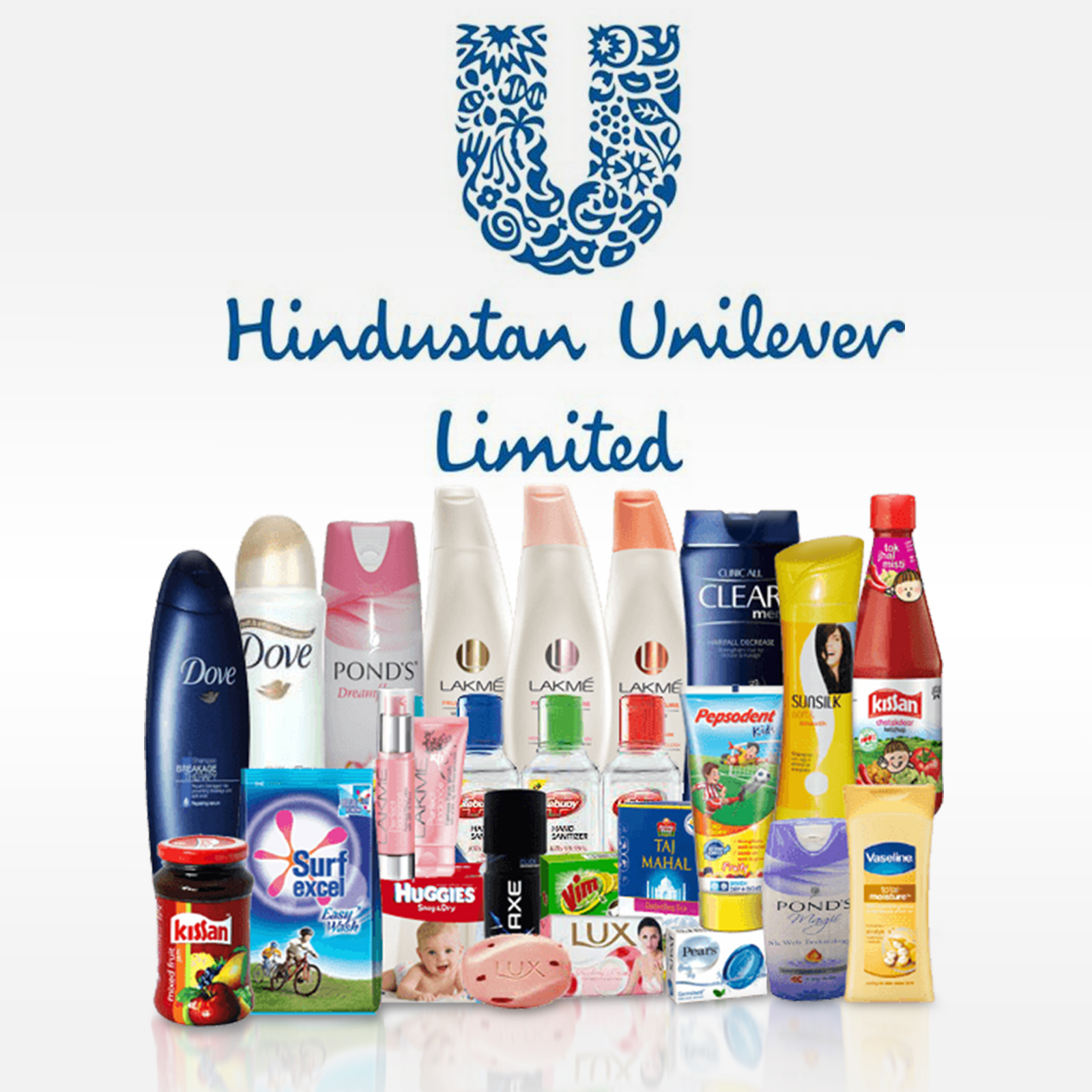
Home care includes: fabric wash, household care, water (Surf Excel, Rin, Active Wheel, SunLight, Comfort, Vim Domex, Cif and Unilever Pure).
Personal Care includes personal wash, skin care, hair care, oral care, deodrants, cosmetics (Lux, Dove, Pears, Rexona, Hamam, Lifebuoy, Fair & Lovely, Pond’s, Vaseline, Lakme, St Ives, Clinic Plus, Sunsilk, Tresemme, Indulekha, Closeup, Pepsodent, Ayush and Axe).
Refreshment includes: Tea, Coffee, ice-creams and frozen desserts (Taj Mahal, Red Label, 3 Roses, Taaza, Lipton, Bru, Kwality Walls, Magnum).
Foods includes ketchups, jams soups and instant noodles (Kissan, Knorr, Annapurna.)
The standout during the quarter was the home care segment, which saw sales expanding by seven per cent. It was followed by refreshment which grew by five per cent, food by four per cent and finally personal care which expanded by two per cent.
The home care segment, according to the company, is witnessing growth in the fabric wash category primarily from the premium products with Surf doing well, even as the Unilever Pure water devices are reporting traction in off take.
The refreshment segment reported a healthy growth in green and natural teas, even as ice cream and frozen desserts grew robustly in Q1-2017.
In the foods segment, Kissan Ketchups expanded healthily, even as Knorr soups and noodles reported robust growth, says the company.
The personal care segment witnessed a shrinkage in the personal wash category even as the skin care category grew with BB and CC creams doing well in the premium range.
The company also completed its acquisition of Indulekha – including the trademarks Indulekha and Vayodha – from Mosons group on 7 April 2016. The acquisition is costing HUL Rs 330 crore plus a deferred consideration of 10 per cent of domestic sales from the brands, payable annually, over five years.
HUL also said that it is going ahead with its intention to divest from any business which is not part of its core activities. This means it is offloading its 50 per cent equity stake in its 21 year old joint venture in Kimberly-Clarke Lever Private Ltd (KCCL) to its joint venture partner Kimberly-Clarke. The company produces and markets baby & child care and feminine care products under the brand Huggies and Kotex.
Manwani, in the Q1-2017 investor report, expressed concern on recent volume trends, saying that market growth is likely to continue to remain muted but he was optimistic about the medium term impact of the monsoon and seventh commission payout. “Even though input costs could rise, the company will continue to focus on volume driven growth with an improvement in margins,” he said.
Observers, however, opine that HUL, along with other FMCG MNCs, is under attack from a host of new home grown nimbler and hungry-for-growth competitors such as Patanjali Ayurveda. How it tackles their onslaught in the coming year will impact its performance.






Brands
Samsung certifies 1,000 Maharashtra students in AI and coding
The South Korean electronics giant marks its first large-scale skilling push in the state, with women making up nearly half the national programme’s enrolment
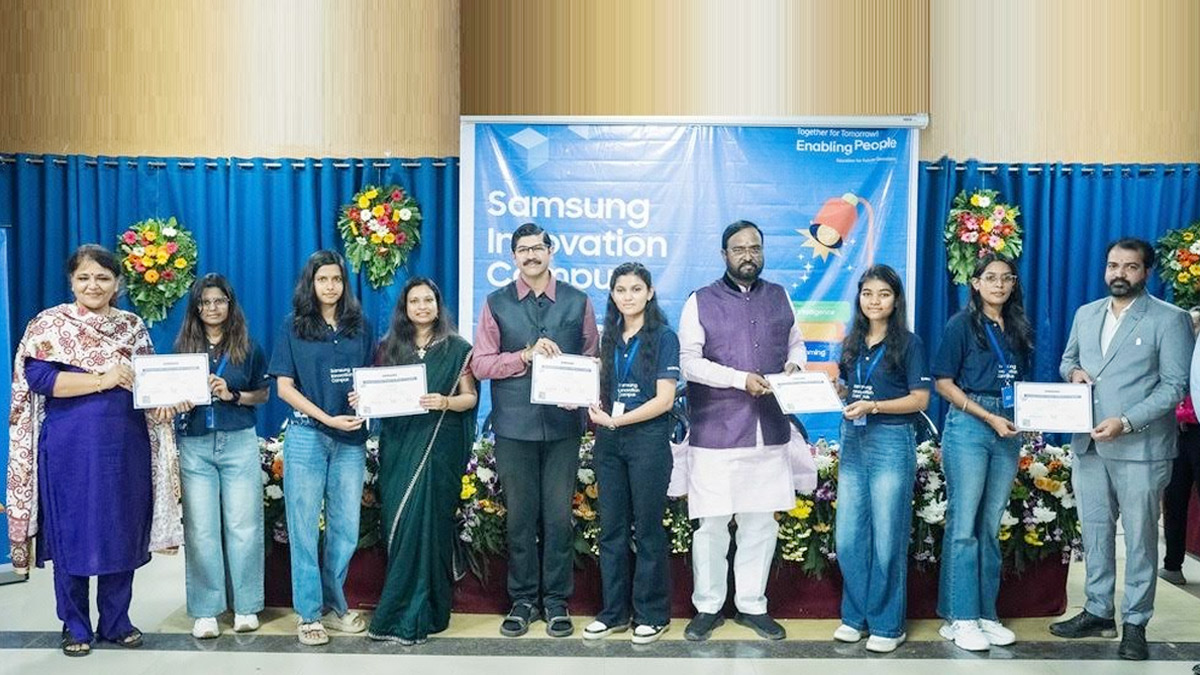
PUNE: Samsung has put 1,000 students in Maharashtra through a certified training programme in artificial intelligence and coding, the largest such drive the South Korean electronics company has run in the state and a signal that corporate India’s skilling ambitions are moving well beyond the boardroom brochure.
The certifications were awarded under Samsung Innovation Campus (SIC), the company’s flagship corporate social responsibility programme, which launched in India in 2022 with the stated aim of democratising access to future-technology education. The 1,000 graduates were drawn from four institutions: 127 from Savitribai Phule Pune University, 373 from Pimpri Chinchwad University, 250 from D.Y. Patil University’s Ramrao Adik Institute of Technology and 250 from Anjuman-I-Islam’s Kalsekar Technical Campus. All completed training in either AI or coding and programming, the two disciplines Samsung has identified as the critical pillars of the digital economy.
The programme does not stop at technical training. Soft-skills development and career-readiness modules are baked into the curriculum, a deliberate attempt to close the gap between what universities teach and what employers actually want.
“India’s digital growth story will ultimately be shaped by the quality of its talent pipeline,” said Shubham Mukherjee, head of CSR and corporate communications at Samsung Southwest Asia. “As technologies like AI move from the periphery to the core of industries, skilling must evolve from basic training to building real-world capability. This milestone in Maharashtra reflects how industry and academia can come together to create a future-ready workforce that is both globally competitive and locally relevant.”
The Maharashtra drive sits within a rapidly scaling national effort. Samsung Innovation Campus trained 20,000 young people across India in 2025, hitting its stated target for the year. Women account for 48 per cent of national enrolments, a figure the company cites as evidence of its push for an inclusive technology ecosystem. The programme is implemented in partnership with the Electronics Sector Skills Council of India and the Telecom Sector Skill Council.
Samsung, which is marking 30 years in India this year, runs SIC alongside two other initiatives, Samsung Solve for Tomorrow and Samsung DOST, as part of a broader effort to build what it calls a generation of innovators with both the technical depth and the problem-solving mindset to thrive in a fast-moving digital world.
A thousand certified students is a tidy headline. Whether they find jobs that match their new skills is the harder question, and the one that will ultimately determine whether corporate skilling programmes like this one are genuine pipelines or well-photographed gestures.






