MAM
A Comprehensive Buying Guide On Smart Water Purifiers


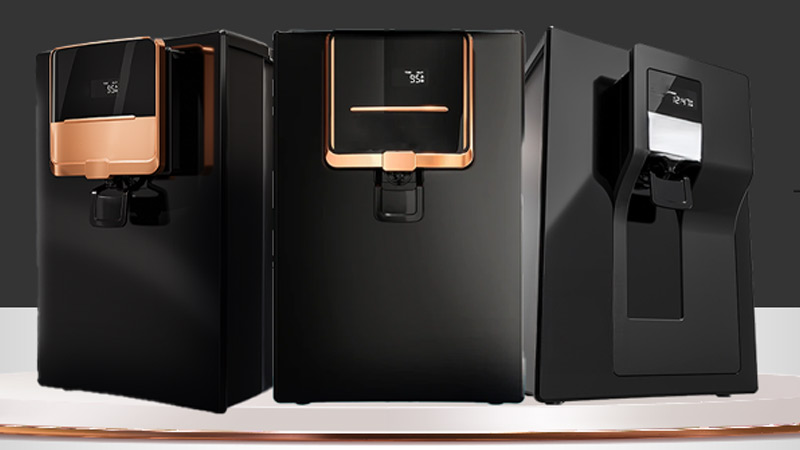
Clean and safe drinking water has always been essential, but smart water purifiers bring intelligence to every drop — using sensors, connectivity, and automation to ensure effortless purity. They don’t just purify; they sense, monitor, and even alert you before an issue arises.
Whether your water comes from a borewell, tank, or municipal supply, these purifiers can adapt intelligently to ensure every drop is pure, and healthy.
So, if you’re planning to upgrade from a basic water filter for home to a smart one, here’s everything you need to know about choosing it.
What Makes a Smart Water Purifier “Smart”?
Unlike basic water purifiers, smart models come equipped with intelligent sensors and IoT-enabled controls that take convenience to the next level. These purifiers continuously monitor water quality, filter life, and overall device health — from the pump to the UV lamp — ensuring your system always performs at its best.
Through connected apps, you can track purification status, view real-time TDS levels, and even receive alerts for maintenance or filter replacement, giving you complete control and peace of mind.
Advanced Multi-Stage Purification
At the core of every water purifier is its filtration technology, and smart models enhance it with multi-layered filters and precise purification control, combining RO, UV, and UF technologies for comprehensive protection.
. RO (Reverse Osmosis) removes dissolved salts, heavy metals, and , making it ideal for hard or high-TDS water.
. UV (Ultraviolet) disinfection eliminates harmful microbes like bacteria and viruses.
. UF (Ultrafiltration) clears out physical impurities and suspended particles.
Some advanced water purifiers even include Nanopore long-life filters, designed to deliver up to two years of consistent purification, making them more cost-effective in the long run.
Enhanced Water Quality and Mineral Retention
Smart water purifiers are built to not only clean water but also enhance its quality. These purifiers use technologies like Active Copper and mineral enhancers to enrich water with copper while retaining essential minerals such as calcium and magnesium, ensuring both great taste and health benefits.
Intelligent Design and User Convenience
Modern water filters are space-efficient and designed for convenience. From touch-based control panels to smart app connectivity, everything is optimised for ease of use.
It allows you to check TDS levels in real time, monitor filter life, and even receive alerts when maintenance is due — all through a connected app. Some purifiers also feature Zero Pressure Pumps, ensuring steady performance even when water pressure is low, and stainless steel tanks that are durable, corrosion-resistant, and easy to maintain.
Sustainability and Long-Term Value
A key advantage of smart water purifiers is their focus on efficiency and longevity. With high water recovery rates and long filter life (up to two years), these systems minimise waste and reduce the frequency of replacements.
Additionally, by using UV LED purification instead of mercury-based lamps, they’re environmentally safer and last longer. For families seeking both performance and sustainability, this makes smart purifiers the best long-term investment.
Why Smart Water Purification is the Future
The evolution of water purifiers into connected intelligent devices marks a major shift in how we think about safe drinking water. It’s not just about removing contaminants anymore; it’s about ensuring consistent water quality, effortless upkeep, and a personalised purification experience.
They’re turning ordinary kitchens into wellness spaces. With real-time insights, automated servicing, and advanced filtration, smart water purifiers embody the future of home water safety.
Conclusion
When choosing the best water purifier for your home, it’s wise to look beyond basic filtration. Smart water purifiers combine technology, health, and convenience to ensure a constant supply of safe, mineral-enriched water.
Aquaguard has been at the forefront of this transformation, introducing water purifiers with Wi-Fi connectivity, real-time monitoring, advanced sensors, and long-lasting purification systems, making water purification not just efficient but truly smart. With these innovations, clean water isn’t just a necessity; it’s a reflection of a smarter, healthier way of living.