iWorld
ZEE5 set to premiere Simmba – the biggest blockbuster of the year


MUMBAI: In another summer surprise for its viewers, ZEE5announces world digital premiere of SIMMBA – the biggest entertainer of the year.The blockbuster with a power packed star-cast comprisingRanveer Singh, Sara Ali Khan, Sonu Soodand Ashutosh Ranain lead roles, icing it off with a special appearance by Ajay Devgn,is set to premiere on 21stMarch on ZEE5.
After a having phenomenal run at the box office, Rohit Shetty’s high decibel cop drama is all set for a world digital premiere on ZEE5.The story revolves around Sangram Bhaleraoplayed by Ranveer Singh, a notorious cop who wants to make money. Until an event happens in his life, which alters him and makes him choose the moral path.
Watch the trailer here: https://www.zee5.com/videos/details/simmba-trailer/0-0-33445

ZEE5 also recentlyannounced a special 30% discount on both annual packs – all access @ INR 999/- and regional @ INR 499/- as part of its anniversary offer. This is applicable till 31stMarch; in case fans pay via their Paytm account, they will get an additional 50% cashback on these rates.
Manish Aggarwal, Business Head, ZEE5 India, said, “For over a year, since our inception, Originals and World Digital Premieres have been our key content pillars. While we have had a good run with our Originals, we have also presented some of the biggest blockbusters on the platform straight after their theatrical releases. This year, we have two of the most popular and successful films– Uri: The Surgical Strike and Simmbapremiering back to back on the platform. Fans all over have been eagerly waiting for Simmba to release on ZEE5 and the film with its sheer mass appeal and striking performance by Ranveer Singh is certain to become a huge success just like it did at the box office.”
Rohit Shetty, Director, Producer – SIMMBA, commented,“SIMMBA is a thorough entertainer yet the issue we are addressing had to be dealt with seriousness. I am glad that the audience loved the film along with the concept of our cop universe. World digital premiere on ZEE5 is a great opportunity for us to take the film to audiences across the globe.’
With over 3500 films, 500+ TV shows, 4000+ music videos, 35+ theatre plays and 90+ LIVE TV Channels across 12 languages, ZEE5 truly presents a blend of unrivalled content offering for its viewers across the nation and worldwide. With ZEE5, the global content of Zindagi as a brand, which was widely appreciated across the country, has also been brought back for its loyal viewers.
Availability: The ZEE5 App can be downloaded from Google Play Store http://bit.ly/zee5 and iOS App Store http://bit.ly/zee5ios. Also available at www.zee5.com, as a Progressive Web App (PWA), and on Apple TV and Amazon Fire TV Stick. ZEE5 also supports Chromecast.
Pricing: Freemium pricing model with both free and paid premium content (including Originals) to cater to a mix of audiences. Viewers who subscribe to the ZEE5 subscription pack will get access to the entire library of content with – 99/- for 1 month and 999/- for a year.







iWorld
Samay Raina confirms return of India’s Got Latent after controversy
Still Alive mixes humour and reflection as comedian revisits 2025 row
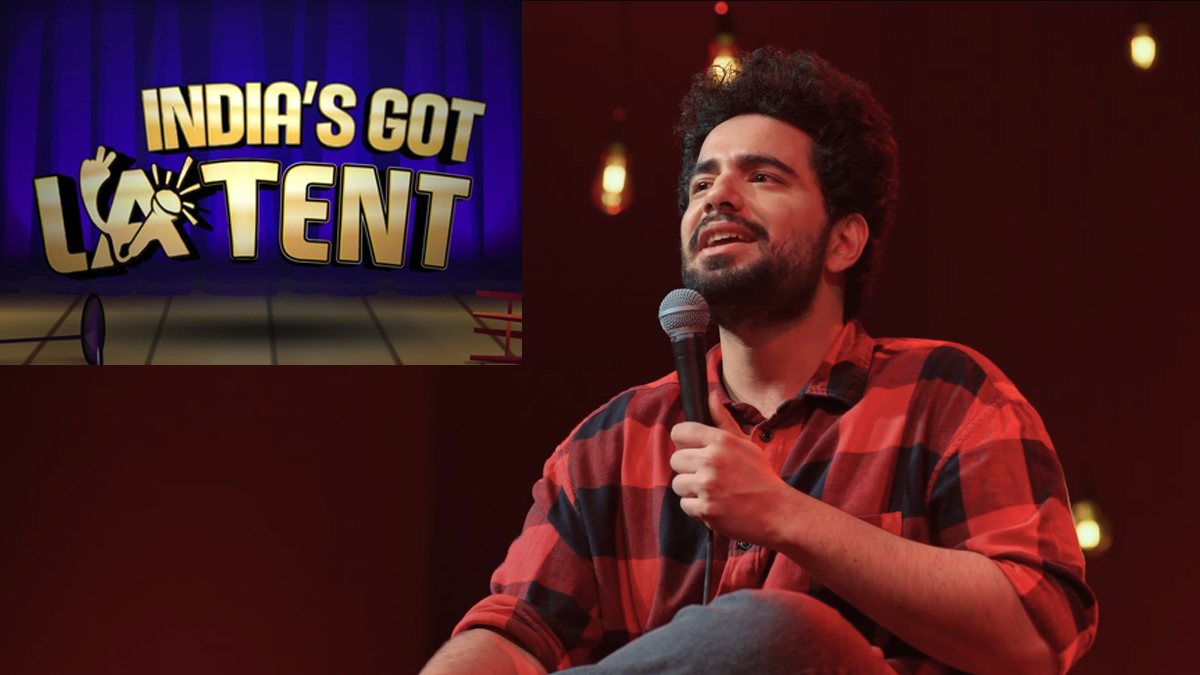
MUMBAI: Samay Raina has signalled a possible return of his controversial show India’s Got Latent, using his latest stand-up special Still Alive to address the past and hint at what lies ahead.
Released on YouTube, the special marks Raina’s most candid take yet on the backlash that forced the show off air in 2025. While much of the performance leans on humour, it also dips into more reflective territory, offering a glimpse into the emotional toll of the controversy.
Recounting the fallout, YouTube comedian samay raina said, “We were both extremely unsettled. How would we navigate this? It was terrifying. We were lost as to what was happening.” He also spoke about a moment involving fellow comedian Balraj Ghai’s family, describing it as overwhelming and difficult to process.
The personal impact of the episode came through most strongly when Raina spoke about his family. He admitted he struggled to even answer a call from his mother during the crisis. YouTube comedian samay raina said, “I hesitated to answer her call and show my tear-streaked face. How would she react? My mom is unaware of anything except how to love.”
Amid the introspection, Raina also dropped a clear hint about the future of his show. While he believes the first season ended on a high note, he confirmed that he intends to revive it. YouTube comedian samay raina said, “I will bring back the show because it used to be fun making it.”
The original run of India’s Got Latent had been pulled down following widespread criticism and legal scrutiny over controversial remarks that went viral, prompting debates around content boundaries in India’s digital entertainment space. Raina later removed episodes and issued an apology, stepping back from major releases for a period.
His return now appears more measured, blending humour with reflection and signalling a creative reset. He also hinted that the next iteration of the show could be more raw and unfiltered, though details remain under wraps.
For fans, the takeaway is simple. The show that sparked both laughter and debate may be gearing up for a second act, with Raina ready to test the limits once again, this time with a sharper sense of where the lines lie.






