iWorld
WITH 18 NEW ORIGINAL LAUNCHES AND NEW ASSOCIATIONS ALTBALAJI ENDS 2018 ON A HIGH NOTE


MUMBAI: ALTBalaji, one of the leading OTT platforms under the brand Balaji Telefilms Limited, has witnessed remarkable growth in 2018. With mass engaging content to the most riveting shows, the platform has emerged as the fastest growing and most talked about OTT platform in India. This year saw, the digital platform launch 18 new shows entertaining millions across the country. Awarded as the ITA Premier Web Channel award this year, ALTBalaji established its lead in the pack with the most-binged original series over the year in addition to winning other accolades.
While 2018 was the year of experimentation with highly-acclaimed shows like The Great Indian Dysfunctional Family (TGIDF), The Test Case and Home, ALTBalaji’s subscriber base grew pan-India with viewers enjoying a wide range of shows. Distinctive content in the series like ‘Broken but Beautiful’ and ‘Apharan’ have not only struck the right chords for their coming of age concepts but have also recorded higher viewership and top ratings of 8.8/10 and 9.2/10 on IMDb respectively. Other shows like ‘XXX: Uncensored’ and ‘KehneKoHumsafar Hain’ scored the highest completion rates. On an average, ALTBalaji’s subscribers have spent 77 minutes daily watching these shows. Shows like Home, The Test Case and TGIDF have not only won hearts of the audiences but also garnered rave reviews from the likes of Rajeev Masand, Mayank Shekhar, Rahul Desai and many more.
Here’s are 2018’s top binge watch shows ofALTBalaji:

Apharan: As the show title suggests, it is all about an ‘Apharan’ (kidnapping) that goes wrong. What makes this show a standout is the fact that top cop Rudra Srivastava is forced into kidnapping a girl at her own behest, and nothing goes to plan. He finds himself in a web of lies with a lot at stake. Set in the heartland of the country, the thriller truly enthralled the audience with its 70’s style masala entertainment and its upbeat retro music.
IMDB Rating: 9.2/10
Broken But Beautiful: When two broken hearts, Veer and Sameera are brought together by chance, sparks fly. The two get involved in a journey that requires them to accept how broken they are and how two broken pieces can probably belong together.
IMDB Rating: 8.8/10
The Great Indian Dysfunctional Family: General VikramjeetRanuat looks forward to a quiet life with his family post his accident while serving at the border. However, the re-entry of his separated brother and sister-in-law into his life changes the trajectory of his plans.
IMDB Rating: 7.6/10
The Test Case: Captain Shikha Sharma gears up to serve as the first female test case in combat. The series beautifully captures her struggles and challenges and encapsulates women-power in the true sense of the term.
IMDB Rating: 8.5/10
Home: The series is all about a beautiful family, the Sethis, who believe in loving one another dearly. However, they are faced with a mammoth challenge with they are served with an eviction notice. The heart-warming show features a man’s fight to save his own home.
IMDB Rating: 8.5/10
GandiiBaat: The power-packed show has it all – the crime, the twisted relationships and erotic content. The trifecta makes this show a great tale of how crossing the fine line of going to any lengths to fulfill desire comes with its own consequences.
IMDB Rating: 5.0 /10
Haq Se: A modern-day story that chronicles the lives of four sisters against the backdrop of theunrest in Kashmir. It is a tale of the sisters seeking happiness and fulfillment in their lives and wanting to trulyfollow their dreams and passion. This also marked the digital debute of Rajeev Khandelwal.
IMDB Rating: 8.3 /10
Hum: I am because of Us: Nothing compares to you sisters always having your back and that is the bond that the three sisters share. However, their relationship is put to test when the three arrive in the burgeoning metro of Mumbai to live their passion and follow their ambitions.
IMDB Rating: 7.6/10
With an end to a magnificent year, ALTBalaji has a highly anticipated line-up for 2019 across diverse genres with originals like GandiiBaat 2, KehneKoHumsafar Hain 2, Cold Lassi Aur Chicken Masala, Puncchbeat, The Verdict State Vs Nanavati and Cartel. Audiences are surely going to be entertained by a content library that is not only varied but new and captivating as well.
ALTBalaji’s original content is available in four Indian languages which includes Hindi, Tamil, Telegu and Malayalam. Additionally it is also available in Malaysia Bahasa, Indonesia Bahasa and Arabic languages. With several strategic associations, ALTBalaji’s shows can be viewed on Amazon Fire TV stick, OLA Play, LG Smart TVs using WebOS , the MI TV Patchwall in addition to the OTT services’ mobile apps and desktop platform. Viewers can also avail the app on 5 different devices in order to make it enjoyable for the entire family.






iWorld
OpenAI hits back at Elon Musk’s lawsuit ahead of trial
Company calls claims “baseless” and accuses Musk of trying to disrupt a rival.
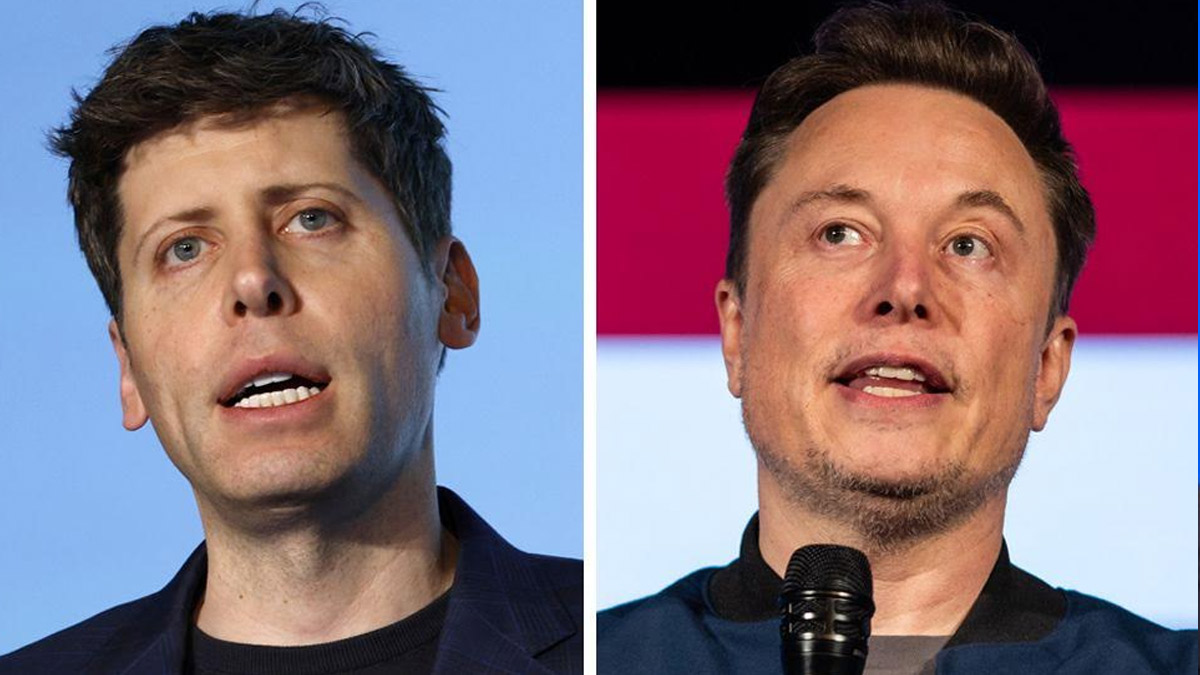
MUMBAI: When the stakes are measured in billions and egos are involved, even Silicon Valley titans can turn a courtroom into a battlefield. OpenAI has issued a sharp public response to Elon Musk’s ongoing lawsuit, accusing the billionaire of filing the case to harass a competitor rather than address genuine concerns. In a strongly worded statement shared on its official X account, OpenAI described Musk’s allegations as “baseless” and suggested the lawsuit is an attempt to disrupt the company as the case heads toward trial later this month in Oakland, California.
The response comes after Musk’s legal team recently amended the complaint, proposing that any damages potentially exceeding $150 billion should go to OpenAI’s nonprofit entity rather than to Musk personally. OpenAI questioned the timing and motive behind this change, calling it a late-stage attempt to “pretend to change his tune” on the nonprofit structure.
The company further labelled the lawsuit a “harassment campaign”, arguing that Musk’s actions are driven by personal rivalry, ego, and a desire for greater control and financial upside.
At the heart of the dispute is Musk’s claim that OpenAI has abandoned its original nonprofit mission of developing artificial intelligence for the benefit of humanity. A co-founder who left in 2018, Musk is seeking governance changes, including the removal of CEO Sam Altman from the nonprofit board, and the return of certain financial gains linked to Altman and President Greg Brockman.
OpenAI has firmly rejected these allegations, maintaining that its current hybrid structure, a public-benefit corporation overseen by a nonprofit parent remains true to its long-term goals. The company has also previously accused Musk of anti-competitive behaviour aimed at weakening its leadership.
As the case prepares for a jury trial, this public exchange highlights the deepening rift between two of the most influential figures in the AI revolution and raises broader questions about governance, mission, and power in the fast-moving world of artificial intelligence.
In the high-stakes game of AI, it seems the real drama isn’t just inside the models, it’s playing out in courtrooms too.






