iWorld
Vertical storytelling takes centre stage as mobile viewing surges
Sony and Reeloid spotlight hooks, data and AI in short-form content boom.


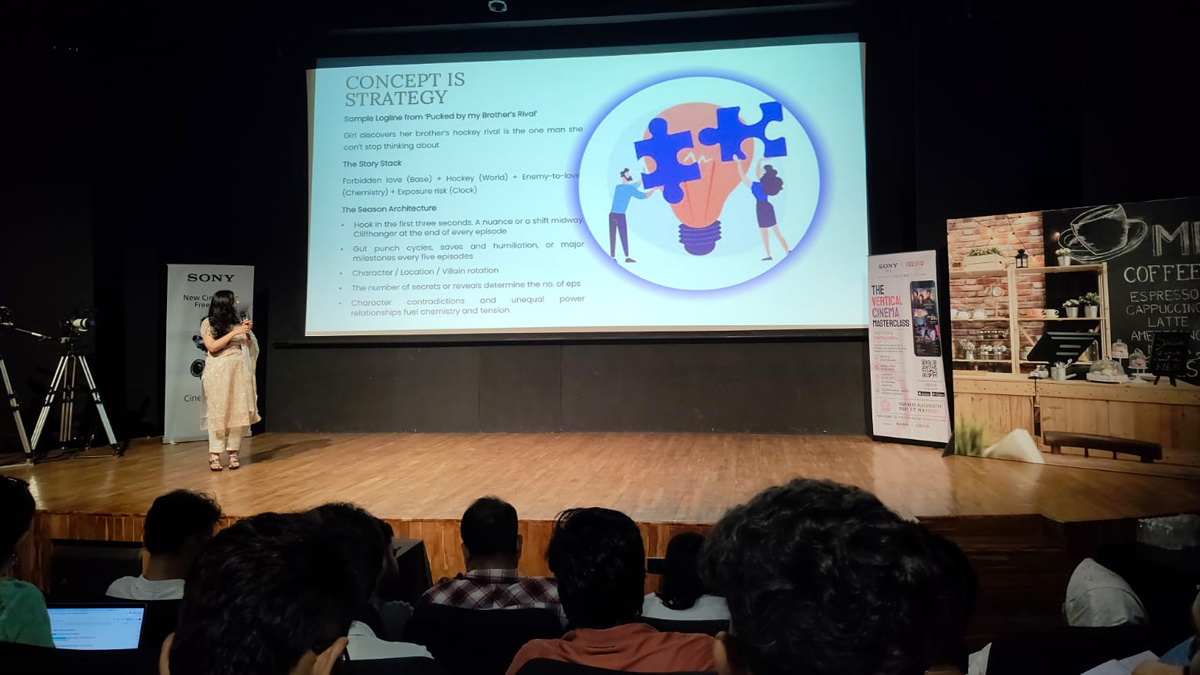
MUMBAI: The future of storytelling may no longer be widescreen, it is standing upright and scrolling at speed. That was the central message at The Present is Vertical: Crafting Cinematic Stories for the Mobile Generation, a session hosted by filmmaker and entrepreneur Rohit Guptaa in collaboration with Sony and microdrama platform Reeloid. The discussion explored how mobile-first audiences are reshaping content creation, forcing writers, directors and actors to rethink everything from storytelling structure to camera framing.
Guptaa argued that vertical content is not merely a new format but a new storytelling language driven by shrinking attention spans and changing consumption habits. In a world where viewers can swipe away within seconds, creators are no longer competing for hearts and minds alone, they are competing with a thumb.
“The first three seconds decide everything,” Guptaa said, explaining how platforms now obsess over retention curves to understand exactly where audiences lose interest. Every hook, reveal and emotional beat is measured against viewer behaviour, making data as important as creative instinct.
The rise of short-form storytelling has fuelled a wave of experimentation globally, with entertainment companies, brands and streaming platforms increasingly investing in vertical-first narratives. According to Guptaa, India could be sitting on a major opportunity as the format gains momentum among younger audiences.
At the heart of the discussion was a storytelling framework called HEART: Hope, Emotion, Action, Revelation and Trust. Unlike traditional films, where emotional arcs can unfold over hours, microdramas are expected to deliver these elements every 90 seconds. Cliffhangers have become the new currency of engagement.
Guptaa illustrated the shift with examples ranging from relationship dramas to psychological thrillers, where each episode is engineered to end at a moment of maximum tension. The goal is simple: keep viewers tapping for the next episode.
The session also highlighted how the format is changing performance styles. Actors, accustomed to wide cinematic frames and lengthy takes, now have to command attention within a narrow vertical canvas. Facial expressions, eye contact and emotional intensity carry greater weight, while production design often takes a back seat to character-driven storytelling.
Technical challenges are emerging too. Guptaa noted that many Indian production environments were originally built for horizontal filmmaking, making the transition to vertical cinema more complex. International markets such as Hong Kong and Bangkok are already developing dedicated infrastructure and studio spaces designed specifically for vertical productions.
Beyond storytelling, Reeloid showcased how technology is becoming increasingly central to content creation. The platform analyses watch times, engagement patterns and audience behaviour to identify which stories resonate and where viewers disengage. These insights are then used to guide writers, directors and creators toward more effective storytelling decisions.
The company is also developing AI-powered tools capable of evaluating scripts before production. By analysing hooks, cliffhangers, pacing, originality and engagement potential, the system can provide creators with instant feedback and quality scores, helping refine concepts before they reach audiences.
As mobile viewing continues to reshape entertainment habits, the session underscored a broader industry shift. Just as cricket evolved from five-day Tests to fast-paced T20s to match changing audience preferences, storytelling too is adapting to a generation that consumes content in quick bursts rather than long sittings.
For creators, the challenge is no longer simply telling a good story. It is telling one that can stop a scrolling thumb, hold attention and keep viewers coming back for more.