iWorld
Tubi leads creator led content surge as streaming hours jump fourfold
US platforms premiered over 3,700 hours in Q3 2026, up from 927 hours a year ago


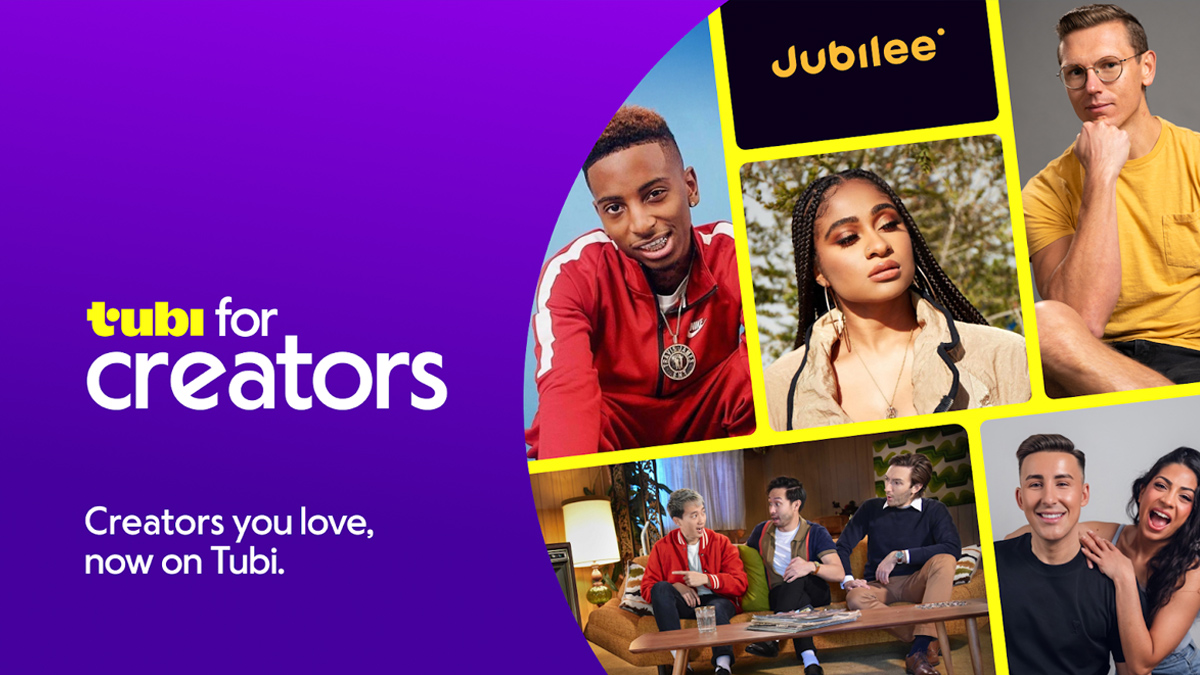
MUMBAI: The creator economy is making the jump from the scroll to the sofa. US streaming services are increasingly turning YouTube and TikTok personalities into long-form programming, with more than 3,700 hours of creator-led content premiered in the third quarter of 2026, compared with just 927 hours in the same period last year.
The surge marks a sharp expansion in the use of internet-born talent and formats by streaming platforms looking to capture audiences beyond conventional television and film. According to research from Ampere Analysis, Fox-owned Tubi accounted for more than three-quarters of all creator-led programming hours premiered in the US during the quarter.
The move reflects a changing battle for viewers’ attention. Ampere’s latest US consumer survey found that audiences for ad-supported streaming services tend to be older, while younger viewers spend the most time watching social video. Bringing familiar online creators into streaming catalogues gives platforms a way to bridge that audience divide, while offering creators access to viewers beyond their existing social media following.
Reality programming dominated the creator-led content pipeline, accounting for 65 per cent of the hours premiered in Q3 2026. The genre’s appeal lies partly in its ability to carry the personality-driven, informal and light-hearted style that audiences associate with online creators.
Lifestyle and reality formats also provide a relatively natural transition from short social videos to longer episodes. Rather than asking viewers to move away from the personalities they already follow, streaming platforms can bring those familiar faces into a more traditional viewing environment.
The format itself is changing too. Shorter episodes are becoming more prominent in creator-led programming, with seasons averaging less than 20 minutes per episode accounting for 37 per cent of new releases. That represents an increase of almost 10 percentage points over the previous quarter.
The figures point to streaming services adapting their programming lengths to suit audiences accustomed to shorter videos, rather than expecting social-first viewers to immediately embrace conventional television episode durations.
Subscription platforms are also accelerating their involvement. Distribution of new creator-led content on SVoD services grew by 76 per cent over the previous quarter, according to Ampere Analysis.
Prime Video added the largest volume, bringing in more than 230 hours of creator-led programming. Among the additions were 12 hours featuring YouTuber Danny Duncan, whose channel has more than 8.2 million subscribers.
The strategy is not limited to Tubi and Prime Video. Major SVoD platforms, including Netflix and Prime Video, are leading commissions in this space. Globally, 117 creator-led titles have been announced so far in 2026, already exceeding the total announced during the whole of 2025.
This suggests that creator-led programming is moving beyond being an experimental addition to streaming libraries. Platforms are increasingly treating internet personalities as potential anchors for commissioned shows, with established online audiences offering a ready-made route to discovery.
Despite the growing involvement of streaming platforms, much of the creator-led content reaching viewers is being made outside the traditional studio system.
Independent production companies accounted for 94 per cent of creator-led content hours premiered on US streaming services in Q3. Many creators are licensing programmes that they initially produced for platforms such as YouTube, giving them an opportunity to reach a wider audience without necessarily giving up creative control or ownership of their work.
This arrangement offers advantages on both sides. Streaming services gain programming with an existing audience and a recognisable personality at its centre, while creators can extend the commercial life of content beyond social platforms and monetise it through additional distribution channels.
The creator-led content push is also drawing in players that have traditionally been associated with social video rather than long-form streaming.
TikTok has commissioned titles for the first time since 2020, ordering 10 first-run television seasons through its Creatorverse Incubator. The initiative is part of a co-commissioning agreement with Tubi.
The commissioned series include Asking for a Friend, starring Sabrina Brier. These programmes will receive an exclusive window on the platform when released.
The arrangement creates a two-way audience opportunity. TikTok gets a route into the more mature video-on-demand audience, while Tubi can use the creators’ existing social followings to attract viewers who may not otherwise discover its programming.
Promotional activity by the creators themselves could also help extend the reach of these shows, turning social media channels into an additional marketing pipeline for streaming releases.
The creator-led programming push follows streaming services’ earlier efforts to broaden their catalogues through sports and podcast rights. Familiar internet personalities are now another way to compete for viewing time, particularly against the short-form video platforms that have become a major part of younger consumers’ media habits.
Ricardo Parsons, analyst at Ampere Analysis, said streaming services were bringing in familiar faces from YouTube and TikTok after investing in sports and podcast rights to widen their offerings.
“For ad-supported services in particular, creator-led shows are a way to compete for the time viewers spend watching short-form video,” he said.
Parsons expects more partnerships that allow creators to reach wider audiences while continuing to monetise their content independently on social platforms.
For streaming services, the opportunity is to turn online popularity into longer viewing sessions and stronger engagement. For creators, it is a chance to take their audiences beyond the phone screen without abandoning the platforms that helped build their following. The next contest for streaming attention may increasingly be fought not just over which show gets commissioned, but over which creator can bring an established community along for the ride.