iWorld
TOI app launches virtual assistant service

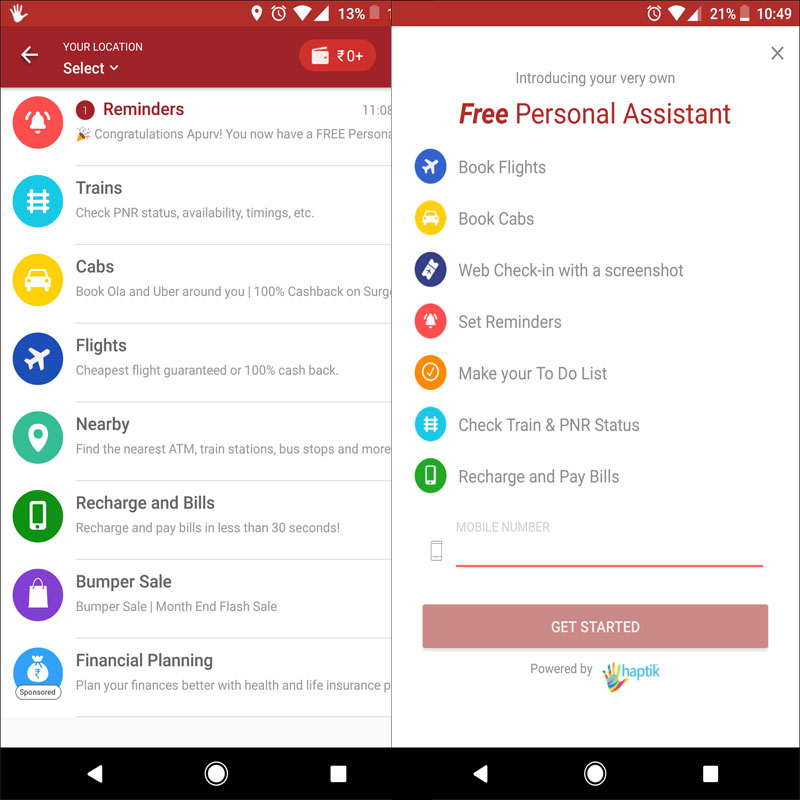
MUMBAI: Times Internet, which already has a 51 per cent market share in user engagement has gone a step further to inform, engage and enable its users by incorporating a virtual personal assistant service in the Times of India App.
Powered by Haptik, India’s leading artificial intelligence based personal assistant and chatbot platform, the virtual assistant enables users to set reminders, recharge their mobile, book flights, do web check-ins, make to-do lists, and much more through the Times of India Android News app. Sprite is the exclusive brand partner for this launch integrating the brand very closely with the service.
This first-of-its-kind innovation in a news app also allows users to book cabs (Uber & Ola), make bill payments (DTH and electricity), and pay through the app via credit card, debit card, netbanking and wallets. For the launch period, where users can get 50 per cent cash back on Recharges, Bill Payments, & more via Amazon Pay.

To access the Personal Assistant, users need to tap the hand icon at the top right of the home screen, validate the mobile number and then choose one of the many services that the virtual assistant provides. Users can expect many more features to be enabled on this platform in the coming days.
Commenting on the launch of this new feature in TOI app, Puneet Gupt, COO & Business Head, The Times of India, said, “We are excited with the launch of Virtual Assistant inside the Times of India app. The launch enables us to empower our users with both news-and-information & virtual assistant led productivity within the app that they love.”
Aakrit Vaish, Founder & CEO, Haptik, said, “Over the last few years, the Haptik virtual assistant chat platform has grown to millions of users and is one of the highest rated apps in India. Our vision is that the service should be accessible from anywhere people want, and not just be restricted to a single app. Integrating into a news app is a natural fit, and the audience of TOI is exactly the type who will appreciate the service,”
To download the Times of India app on their smartphone or to upgrade to the latest version with the virtual assistant, users can use the link below
https://play.google.com/store/apps/details?id=com.toi.reader.activities&hl=en
The Economic Times Power of Ideas, India’s biggest entrepreneurial platform for aspiring and budding entrepreneurs, is back. Presented by Facebook in partnership with DST (Govt. of India) and CIIE. Sign up at www.etpowerofideas.com. Entries accepted till Monday, 13 November 2017






iWorld
Samay Raina confirms return of India’s Got Latent after controversy
Still Alive mixes humour and reflection as comedian revisits 2025 row
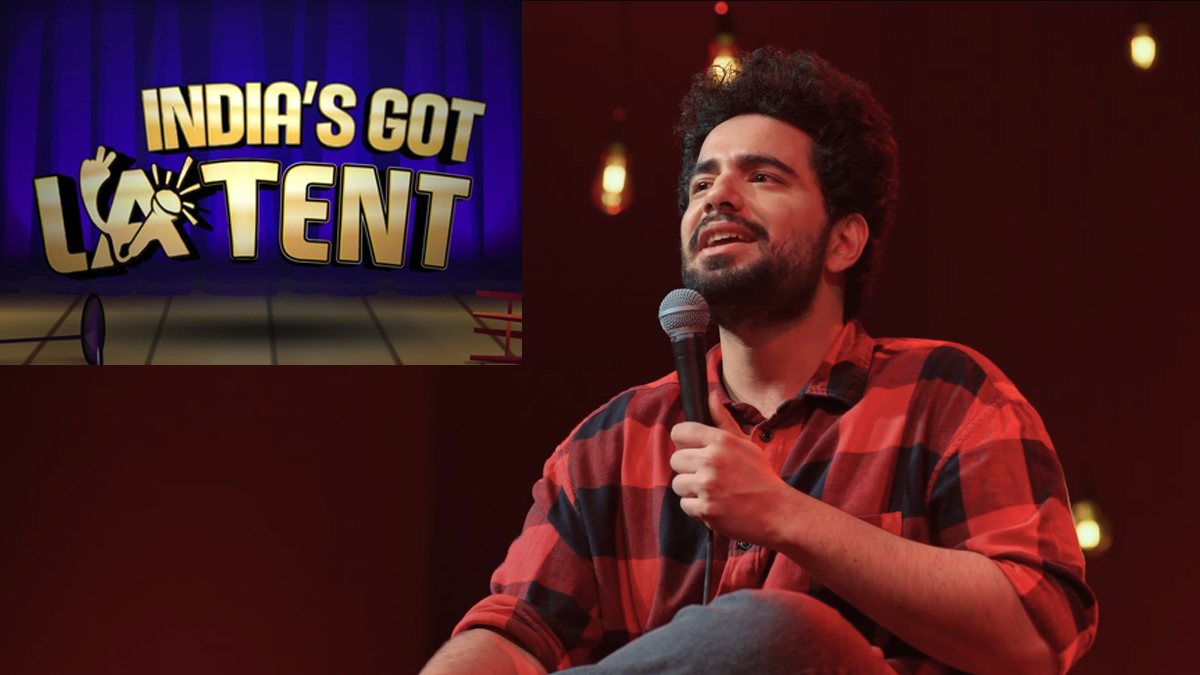
MUMBAI: Samay Raina has signalled a possible return of his controversial show India’s Got Latent, using his latest stand-up special Still Alive to address the past and hint at what lies ahead.
Released on YouTube, the special marks Raina’s most candid take yet on the backlash that forced the show off air in 2025. While much of the performance leans on humour, it also dips into more reflective territory, offering a glimpse into the emotional toll of the controversy.
Recounting the fallout, YouTube comedian samay raina said, “We were both extremely unsettled. How would we navigate this? It was terrifying. We were lost as to what was happening.” He also spoke about a moment involving fellow comedian Balraj Ghai’s family, describing it as overwhelming and difficult to process.
The personal impact of the episode came through most strongly when Raina spoke about his family. He admitted he struggled to even answer a call from his mother during the crisis. YouTube comedian samay raina said, “I hesitated to answer her call and show my tear-streaked face. How would she react? My mom is unaware of anything except how to love.”
Amid the introspection, Raina also dropped a clear hint about the future of his show. While he believes the first season ended on a high note, he confirmed that he intends to revive it. YouTube comedian samay raina said, “I will bring back the show because it used to be fun making it.”
The original run of India’s Got Latent had been pulled down following widespread criticism and legal scrutiny over controversial remarks that went viral, prompting debates around content boundaries in India’s digital entertainment space. Raina later removed episodes and issued an apology, stepping back from major releases for a period.
His return now appears more measured, blending humour with reflection and signalling a creative reset. He also hinted that the next iteration of the show could be more raw and unfiltered, though details remain under wraps.
For fans, the takeaway is simple. The show that sparked both laughter and debate may be gearing up for a second act, with Raina ready to test the limits once again, this time with a sharper sense of where the lines lie.






