
iWorld
Supreme Court seeks response on safeguards against CSEAM reaching minors
CJI-led Bench flags need for digital firewalls and considers audits of platform algorithms


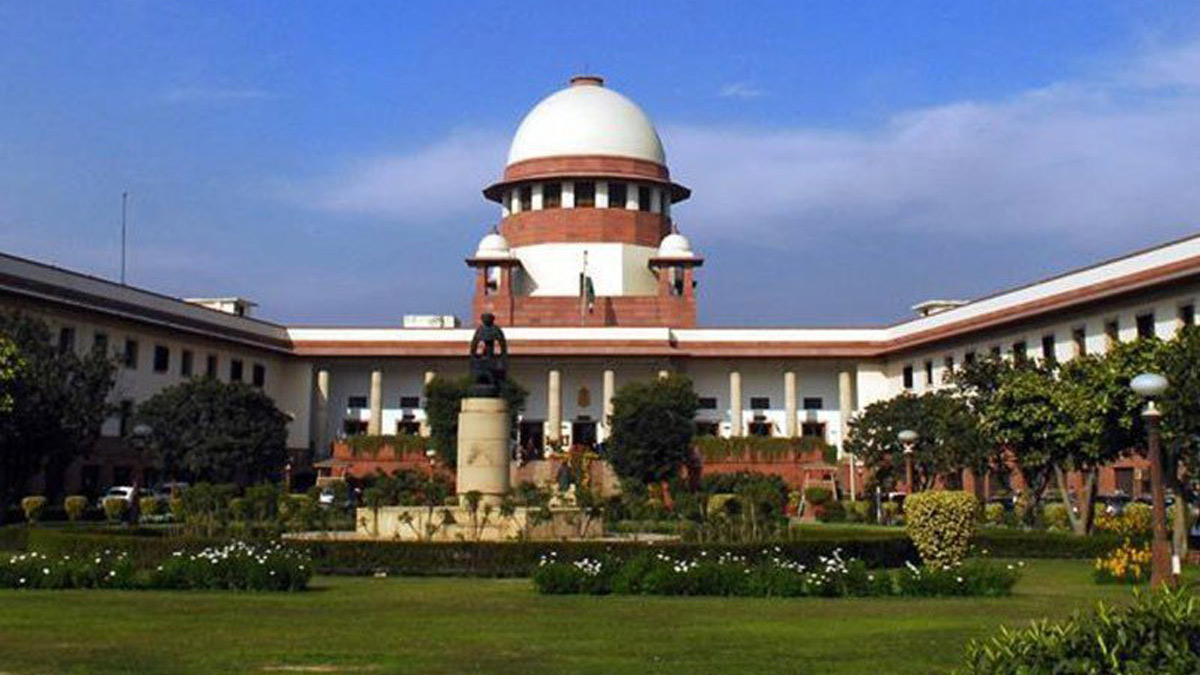
MUMBAI: The Supreme Court wants the internet’s safety net to be stronger for children, seeking responses from the Centre and other authorities on measures to prevent Child Sexual Exploitation and Abuse Material (CSEAM) from reaching minors online.
A Bench comprising Chief Justice of India Surya Kant and Justices Joymalya Bagchi and V Mohana highlighted concerns over children’s exposure to digital and social media platforms. During the hearing, the Bench observed that “firewalls are very necessary for children” given the scale of their online exposure.
The matter arises from a petition in Just Rights for Children Alliance v. Union of India and Anr., which raises questions about whether internet platforms are doing enough to stop minors from encountering sexually abusive material.
The petition alleges that platforms have not adequately deployed automated systems to identify and filter such content, or effective mechanisms to verify users’ ages. It also flags the role of recommendation algorithms, which can potentially direct young users towards sexually abusive material.
The plea further raises concerns over platforms allegedly lacking direct reporting mechanisms with local law enforcement agencies, putting the focus not only on content moderation but also on what happens when harmful material is identified.
The Bench considered the risks associated with unrestricted access to online content and stressed the need for proactive measures involving technology platforms as well as enforcement authorities.
The court was also referred to its 2024 judgment in Just Rights for Children Alliance v. S. Harish. In that case, the Supreme Court held that intermediaries could not claim safe-harbour protection under Section 79 of the Information Technology Act if they failed to comply with mandatory reporting obligations under Sections 19 and 20 of the Protection of Children from Sexual Offences (POCSO) Act.
The Supreme Court has now sought responses from the Ministry of Electronics and Information Technology and regulatory authorities on existing content-filtering systems and the possibility of auditing algorithms used by online platforms.
The development comes amid heightened scrutiny of social media platforms over the circulation and promotion of CSEAM. On Wednesday, representatives of Meta India appeared before the National Commission for Protection of Child Rights (NCPCR) after the child rights body summoned Meta India’s managing director and its Head of Meta India over an inquiry into alleged advertisements related to CSEAM.
With the case now turning the spotlight on filters, algorithms and accountability, the court’s message is clear: when children are online, digital protection cannot be left to chance.






