iWorld
Sebi takes down 1.2 lakh finfluencer posts, deploys AI Sudarshan
Regulator sharpens digital watch as retail investors face options losses
NEW DELHI: The Securities and Exchange Board of India has pulled down more than 1.2 lakh misleading social media posts shared by unregistered financial influencers, tightening its grip on the fast-growing but often murky world of online investment advice.
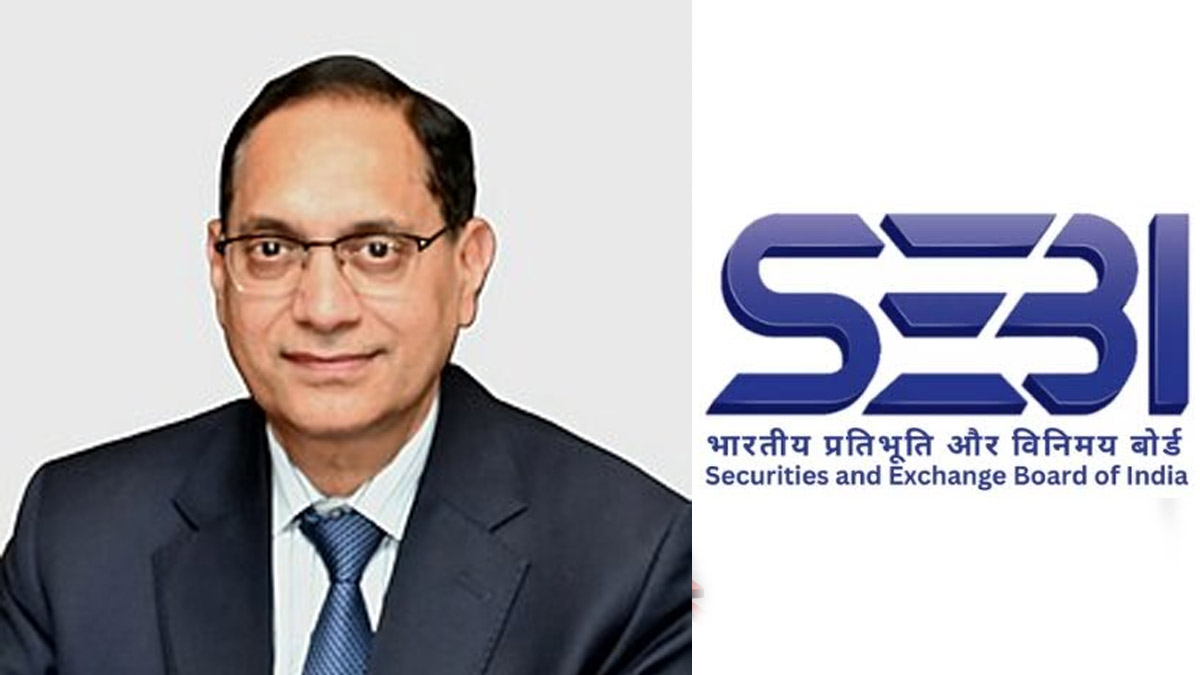
Speaking to ANI, Sebi chairman Tuhin Kanta Pandey said the regulator acted against content that crossed the line from financial education into outright misdirection.
“We have removed more than 120,000 such pieces of content where we found egregious behaviour violating our norms,” Pandey said, underlining that only Sebi-registered entities are allowed to offer investment advice.
Registration, he explained, is not a mere formality. It comes with clear do’s and don’ts designed to protect investors. While individuals are free to share opinions and educate audiences under the right to freedom of expression, Sebi steps in when advice strays into misleading territory.
The watchdog is not relying on manual policing alone. It has rolled out an in-house artificial intelligence tool called ‘Sudarshan’, capable of scanning multilingual audio, video and text content to detect violations across platforms. The name is fitting. In mythology, Sudarshan is a spinning weapon. In this case, it slices through dubious digital claims.
Pandey said social media platforms have cooperated with takedown orders, reinforcing Sebi’s authority to demand removal of offending content.
The regulator’s sharper focus comes amid a surge in retail participation in derivatives trading, particularly options, in the post-Covid period. According to Pandey, many small investors were swayed by online narratives promising easy money.
Sebi responded by publishing data showing substantial collective losses and by introducing statutory warnings. Now, whenever investors trade in options, a pop-up cautions that nine out of ten investors lose money, a stark reminder modelled on health warnings seen elsewhere.
Pandey described regulation as a calibrated exercise rather than a blunt-force operation. Market development, he said, requires precision. “It is not about a sledgehammer approach but more like a surgeon’s knife, identifying problem areas and dealing with them.”
Calling the past year “a year of reform”, the Sebi chief said the regulator’s goal remains balanced oversight, ensuring markets are neither choked by over-regulation nor left exposed by too little scrutiny.
For India’s growing tribe of retail investors, the message is simple. Scroll carefully, trust cautiously and remember that in markets, if something sounds too good to be true, it often is.

iWorld
Tech firms tweak office operations amid LPG shortage concerns
Infosys, HCLTech and Cognizant adjust cafeteria services and work policies.
MUMBAI: When geopolitics turns up the heat, even office cafeterias start feeling the burn. Several technology companies in India are adjusting workplace operations and food services as concerns over a nationwide shortage of liquefied petroleum gas (LPG) grow following escalating tensions in West Asia. Major IT firms including Cognizant, Infosys and HCLTech have begun rolling out contingency measures to reduce dependence on office cafeterias that rely heavily on commercial LPG.
The disruption stems from rising geopolitical tensions involving Iran after military action by the United States and Israel reportedly led to the closure of the Strait of Hormuz, a critical global shipping route for oil and gas supplies. The closure has disrupted the movement of LPG and liquefied natural gas across international markets, triggering concerns about supply constraints and price volatility.
According to a report by The Times of India, Cognizant has advised employees to bring their own meals to office where possible to reduce reliance on office cafeterias dependent on LPG based cooking.
The company has reportedly told staff that it is preparing for potential disruptions driven by supply prioritisation, price fluctuations and pressure on vendor networks.
As part of contingency planning, Cognizant is identifying alternative food vendors that do not rely on LPG. These include kitchens using induction based or solar powered cooking systems.
The company is also exploring partnerships with cloud kitchens that operate on electric or solar power to ensure uninterrupted food supply in case conventional cooking gas availability worsens.
Additionally, Cognizant is evaluating the possibility of expanding work from home or hybrid arrangements for non critical roles, partly to reduce commuting exposure if fuel prices rise sharply due to global energy disruptions.
Meanwhile, HCLTech allowed employees at its Chennai office to work from home on March 12 and March 13 after cafeteria vendors were unable to operate because of the LPG shortage.
Several food service vendors at the campus reportedly suspended operations as they struggled to secure cooking gas supplies, prompting the company to permit staff to work remotely for the two days.
Infosys has also issued internal advisories across multiple locations, including its campuses in Bengaluru and Chennai.
The company informed employees in Bengaluru that cafeteria services would continue but with reduced menu options due to concerns around commercial LPG availability.
As part of the temporary adjustments, live food counters have been suspended, and employees have been encouraged to bring home cooked food while the situation evolves.
While LPG shortages in India remain a developing situation, the measures taken by these technology firms highlight how global geopolitical disruptions can ripple through unexpected corners of the economy, even the humble office lunch.
For companies with large campuses and thousands of employees relying on daily cafeteria services, cooking fuel shortages can quickly turn into an operational challenge. Until global supply chains stabilise, many workplaces may find themselves rethinking everything from food sourcing to flexible work policies.