iWorld
OpenAI hits back at Elon Musk’s lawsuit ahead of trial
Company calls claims “baseless” and accuses Musk of trying to disrupt a rival.

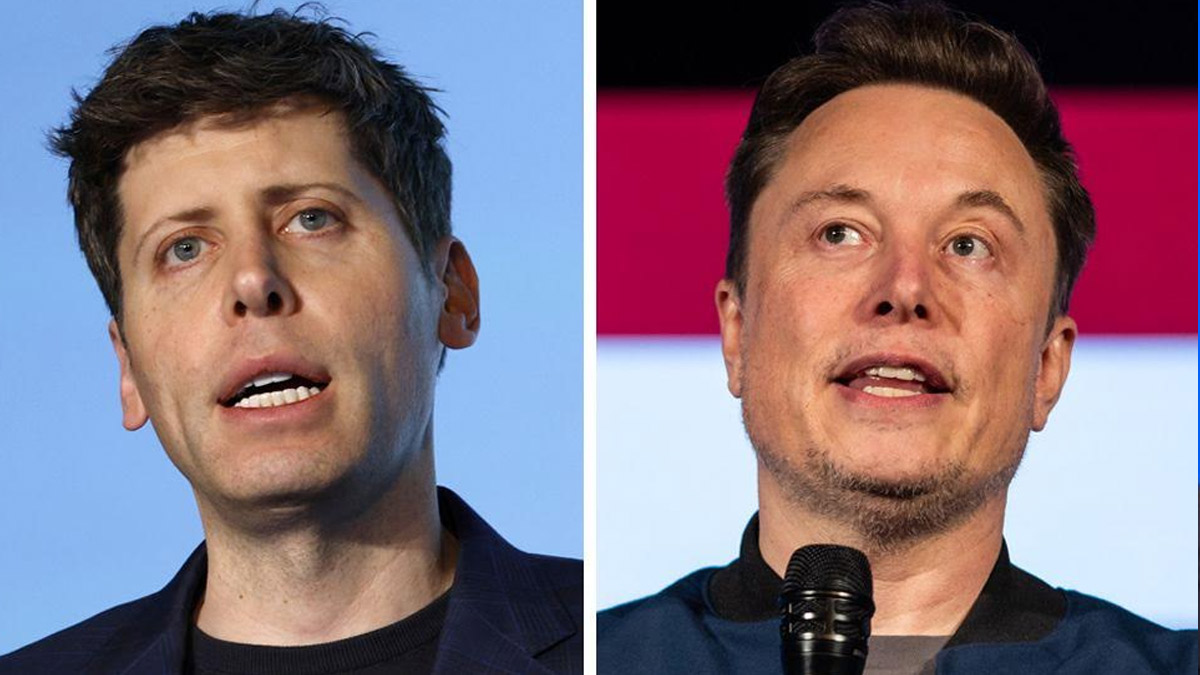
MUMBAI: When the stakes are measured in billions and egos are involved, even Silicon Valley titans can turn a courtroom into a battlefield. OpenAI has issued a sharp public response to Elon Musk’s ongoing lawsuit, accusing the billionaire of filing the case to harass a competitor rather than address genuine concerns. In a strongly worded statement shared on its official X account, OpenAI described Musk’s allegations as “baseless” and suggested the lawsuit is an attempt to disrupt the company as the case heads toward trial later this month in Oakland, California.
The response comes after Musk’s legal team recently amended the complaint, proposing that any damages potentially exceeding $150 billion should go to OpenAI’s nonprofit entity rather than to Musk personally. OpenAI questioned the timing and motive behind this change, calling it a late-stage attempt to “pretend to change his tune” on the nonprofit structure.
The company further labelled the lawsuit a “harassment campaign”, arguing that Musk’s actions are driven by personal rivalry, ego, and a desire for greater control and financial upside.

At the heart of the dispute is Musk’s claim that OpenAI has abandoned its original nonprofit mission of developing artificial intelligence for the benefit of humanity. A co-founder who left in 2018, Musk is seeking governance changes, including the removal of CEO Sam Altman from the nonprofit board, and the return of certain financial gains linked to Altman and President Greg Brockman.
OpenAI has firmly rejected these allegations, maintaining that its current hybrid structure, a public-benefit corporation overseen by a nonprofit parent remains true to its long-term goals. The company has also previously accused Musk of anti-competitive behaviour aimed at weakening its leadership.
As the case prepares for a jury trial, this public exchange highlights the deepening rift between two of the most influential figures in the AI revolution and raises broader questions about governance, mission, and power in the fast-moving world of artificial intelligence.
In the high-stakes game of AI, it seems the real drama isn’t just inside the models, it’s playing out in courtrooms too.







iWorld
Mark Zuckerberg’s sharp advice on employee retention goes viral
“Treat your employees right, so they won’t use your Internet to search for a new job.”
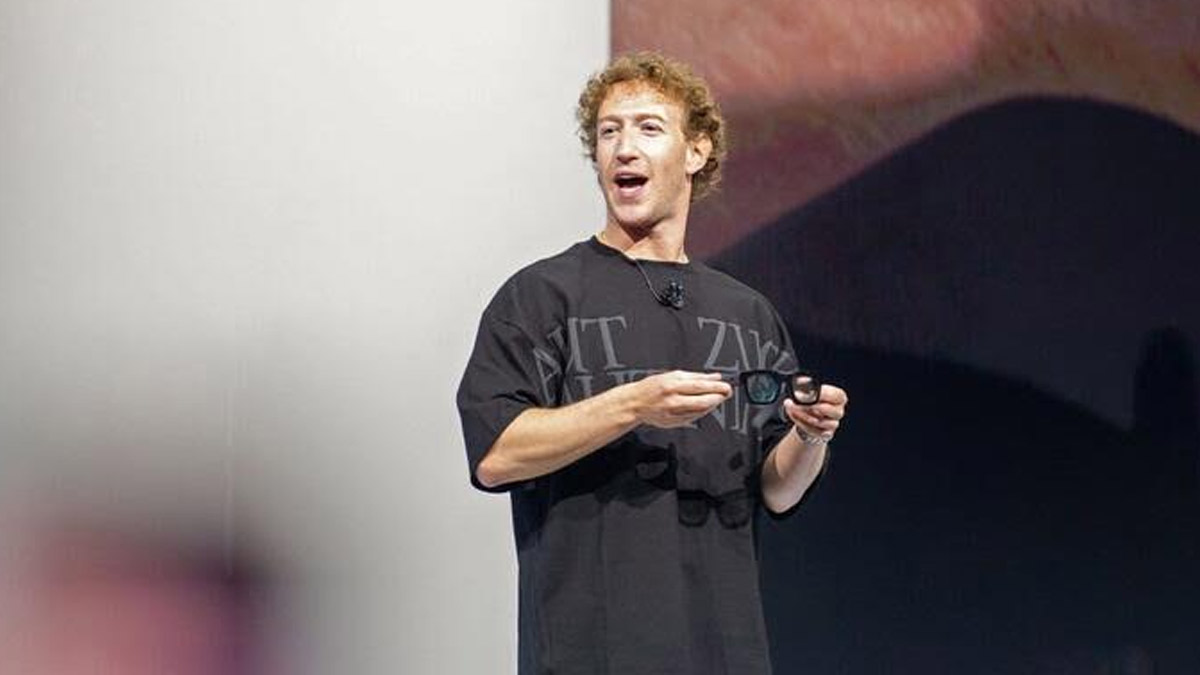
MUMBAI: When your employees start browsing job sites on company Wi-Fi, it might be time to check the office culture not the bandwidth. A candid one-liner from Meta CEO Mark Zuckerberg is making waves once again for its blunt take on modern workplaces and the challenge of keeping talent happy.
“Treat your employees right, so they won’t use your Internet to search for a new job,” Zuckerberg reportedly said. While delivered with a light touch, the remark highlights a serious shift in today’s job market with opportunities just a few clicks away, employee dissatisfaction can quickly turn into quiet job hunting.
The comment comes amid widespread restructuring, automation, and layoffs across industries, which have added to employee uncertainty. According to Gallup’s State of the Global Workplace 2025 report, half of employees worldwide are actively looking for new jobs, pointing to deep levels of disengagement.
At its heart, Zuckerberg’s observation delivers a simple truth: employees who feel respected, supported, and valued are far less likely to start scrolling through LinkedIn during work hours. Today’s workforce increasingly prioritises factors beyond salary such as work culture, flexibility, growth opportunities, and recognition. When these are missing, disengagement builds silently.
The quote also reflects how job searches have become discreet. Many employees continue working normally while quietly exploring other options, making it harder for companies to spot early warning signs of attrition.
Zuckerberg’s remark serves as a timely reminder that retaining talent is no longer just about preventing exits, it’s about creating an environment where people genuinely don’t feel the need to leave.
In an era where the next opportunity is only a tab away, smart companies are realising that the best retention strategy might just be treating people so well that they never feel tempted to look elsewhere.






