e-commerce
Only 17 per cent of merchants accept 0.4 per cent UPI MDR
LocalCircles survey finds 41 per cent unwilling to bear any MDR on UPI payments


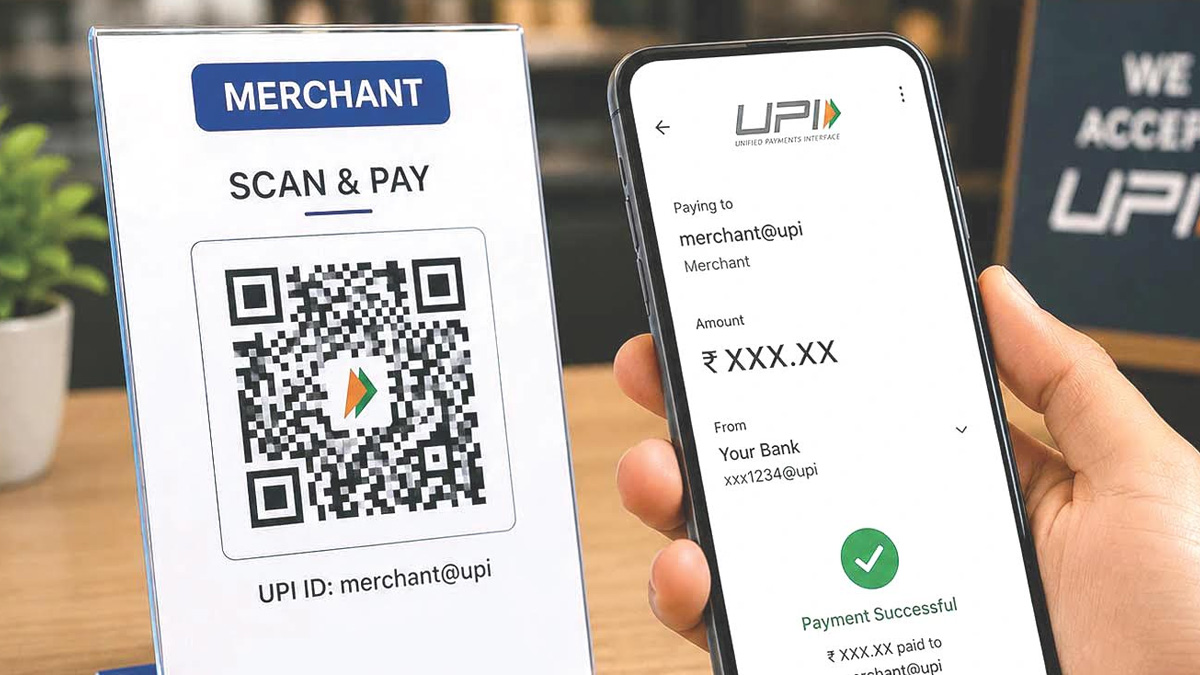
MUMBAI: UPI’s tap-and-pay convenience may be getting a little harder to swallow for merchants, with most businesses unwilling to stomach the new processing cost on higher-value transactions. Only 17 per cent of merchants and businesses surveyed by LocalCircles said they were willing to bear an MDR of 0.4 per cent or more on UPI payments above Rs 2,000. The finding comes ahead of the new MDR framework taking effect from October 15, 2026.
The survey drew 32,796 responses from merchants and businesses across 242 districts. Tier-I districts accounted for 48 per cent of responses, followed by 33 per cent from tier-II districts and 19 per cent from tier-III and tier-IV districts.
The resistance to MDR was particularly pronounced at the lower end. As many as 41 per cent of respondents said they would not bear any MDR, while another 9 per cent said they did not accept UPI payments at all.
Among those willing to absorb a charge, 15 per cent said their maximum acceptable MDR was 0.04 per cent, while 8 per cent put the ceiling at 0.25 per cent. Another 5 per cent each were willing to bear up to 0.1 per cent, 0.2 per cent and 0.5 per cent, while 12 per cent said they could accept an MDR of up to 1 per cent.
The survey was conducted around the time a lower 0.3 per cent MDR was being discussed. Its 17 per cent figure represents respondents willing to bear an MDR at or above that level, based on the survey’s response distribution.
Under the framework announced by the National Payments Corporation of India (NPCI), an MDR of up to 0.4 per cent will apply to eligible person-to-merchant UPI transactions above Rs 2,000 from October 15. For transactions worth Rs 75,000 or more, the MDR will be capped at Rs 300.
UPI payments of up to Rs 2,000 will remain outside the MDR framework, while person-to-person UPI transfers will continue to be free. MDR is paid by the merchant-side ecosystem for processing digital payments, meaning the change primarily alters the cost structure for higher-value merchant transactions.
The survey also shows how quickly merchant acceptance falls as the proposed charge rises. While half of respondents indicated that they were willing to bear some level of MDR, the largest group among those accepting a charge selected just 0.04 per cent as their maximum.
Only 25 per cent of respondents were willing to bear an MDR of 0.25 per cent or more, while the proportion accepting 0.3 per cent or higher stood at 17 per cent.
The numbers come against a UPI network operating at enormous scale. UPI processed 24.51 billion transactions worth Rs 29.82 trillion in August 2026, according to figures included in the survey material.
The introduction of MDR marks a shift after several years in which merchant UPI payments operated without such a charge. The government and payments ecosystem have argued that the framework will help support the costs of maintaining and developing UPI infrastructure.
For merchants, however, the next move remains an open question. The survey captures what businesses say they are willing to absorb, but does not establish whether they will ultimately take the hit, adjust prices or encourage customers towards other payment methods.