iWorld
NALSAR report flags gaps in India’s online child safety laws
October 2026 study urges greater scrutiny of recommendation algorithms, infinite scrolling and engagement-driven design


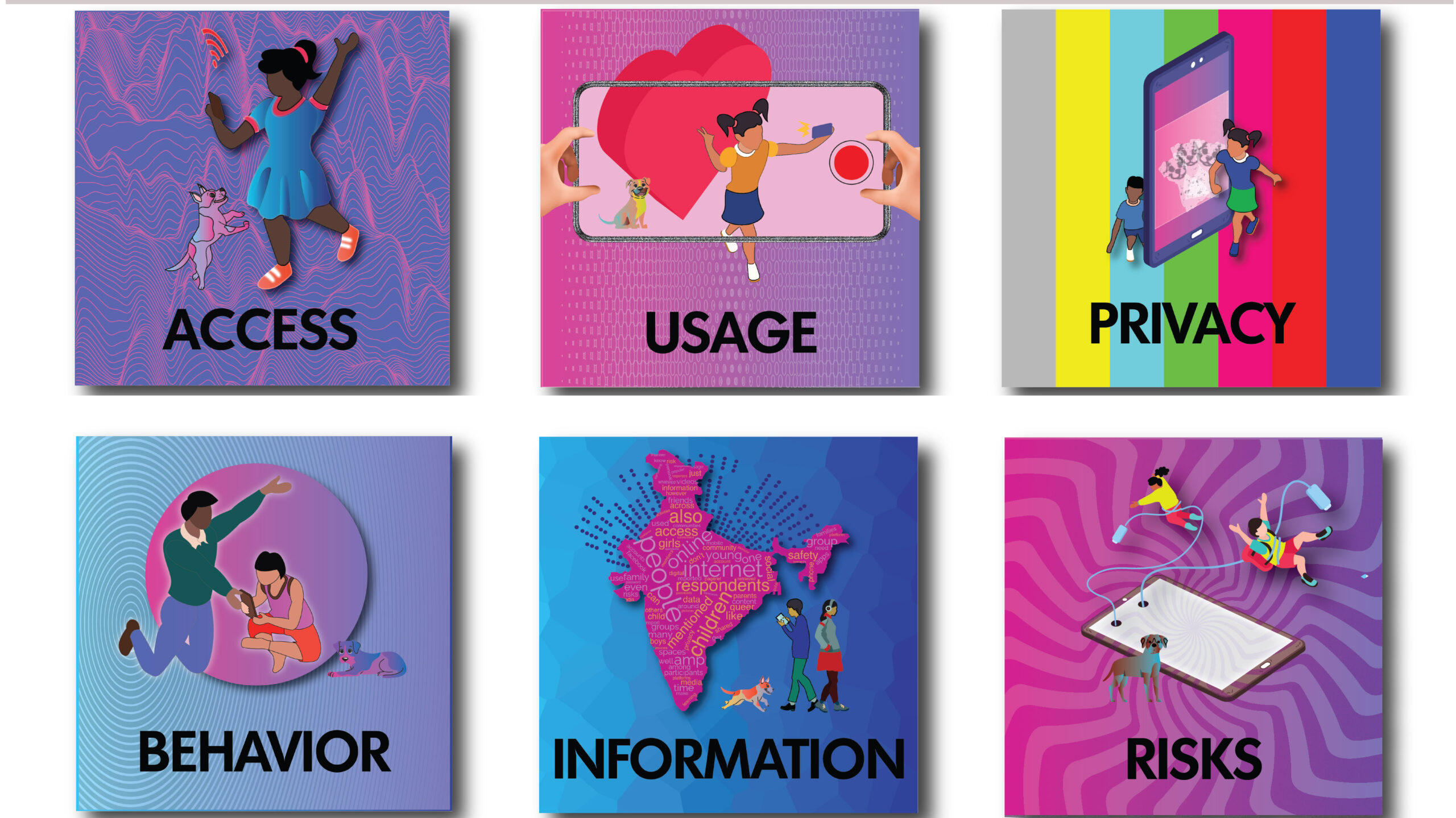
MUMBAI: The scroll may be endless, but the safeguards for children online cannot be an afterthought. A new report by NALSAR University of Law and the Indian Governance and Policy Project (IGAP) warns that India’s existing online safety laws may not adequately address the risks posed by recommendation algorithms, infinite scrolling and engagement-driven platform design.
Titled The Child Safety Imperative: Age-Appropriate Digital Governance Pathways for India, the October 2026 report identifies a gap between the harms covered by existing legislation and the ways digital platforms are designed to attract and retain users.
India’s laws address offences including online harassment, sexual exploitation, the circulation of unlawful content and certain forms of data misuse. However, the report argues that the cumulative effects of platform design on children’s behaviour and wellbeing remain harder to regulate.
Unlike an individual act of wrongdoing, these risks can build over time through repeated exposure, personalised recommendations and interfaces designed to encourage continued engagement.
Features such as infinite scroll, engagement-optimised recommendations and reward-based interactions can encourage prolonged or repetitive use, according to the report. Image-heavy platforms and social comparison may also affect some adolescents’ body image and self-worth, while recommendation systems can progressively narrow the range of content users encounter.
The concerns are particularly relevant to platforms such as Instagram, Facebook, YouTube and TikTok, where personalised feeds and engagement features play a central role in content discovery.
The report highlights a limitation in approaches that focus primarily on removing harmful material after it appears. If potential harm stems partly from how a platform is designed, content moderation alone may not address the underlying risk.
It argues that India’s Information Technology Act, the Bharatiya Nyaya Sanhita and the Digital Personal Data Protection Act cover different aspects of online harm, but their combined scope still leaves questions about potentially harmful design practices.
Such practices may remain lawful even when they carry developmental, psychological or social consequences, the report suggests.
One of the report’s central recommendations is to shift towards prevention, with child-safety considerations built into product development rather than addressed mainly through complaints and corrective action.
The researchers propose child-safety risk assessments before new products or functionalities are introduced, closer scrutiny of attention-capturing mechanisms and recommendation options that do not rely on user profiling. They also call for age-appropriate privacy settings and safeguards to be enabled by default.
For digital platforms, this approach could mean looking beyond whether unlawful content is removed quickly enough. Companies may also need to assess foreseeable risks associated with the features through which users discover content and interact with services.
The report points to the need for regulators with sufficient technical expertise and institutional capacity to examine recommendation systems and engagement-driven design. It also recommends a dedicated, principle-based framework for online child safety rather than relying solely on platform-specific compliance requirements.
The report does not suggest that all algorithmic recommendations or online engagement are inherently harmful. It acknowledges that digital platforms can support education, creativity and social interaction. Its argument is that potential risks arising from platform design need to be addressed directly, particularly when children use these services.
For India’s digital industry, the debate therefore extends beyond what children are allowed to watch or read. It also concerns how platforms decide what appears next, how their interfaces encourage continued use and whether appropriate safeguards are built in from the outset.
The report’s central challenge to policymakers is clear: online child safety cannot rest on content removal alone if the design of the digital experience itself may contribute to harm.