
iWorld
Meta signs multiyear AI deal with News Corp
Agreement worth up to $50 million annually covers WSJ, New York Post and UK titles.


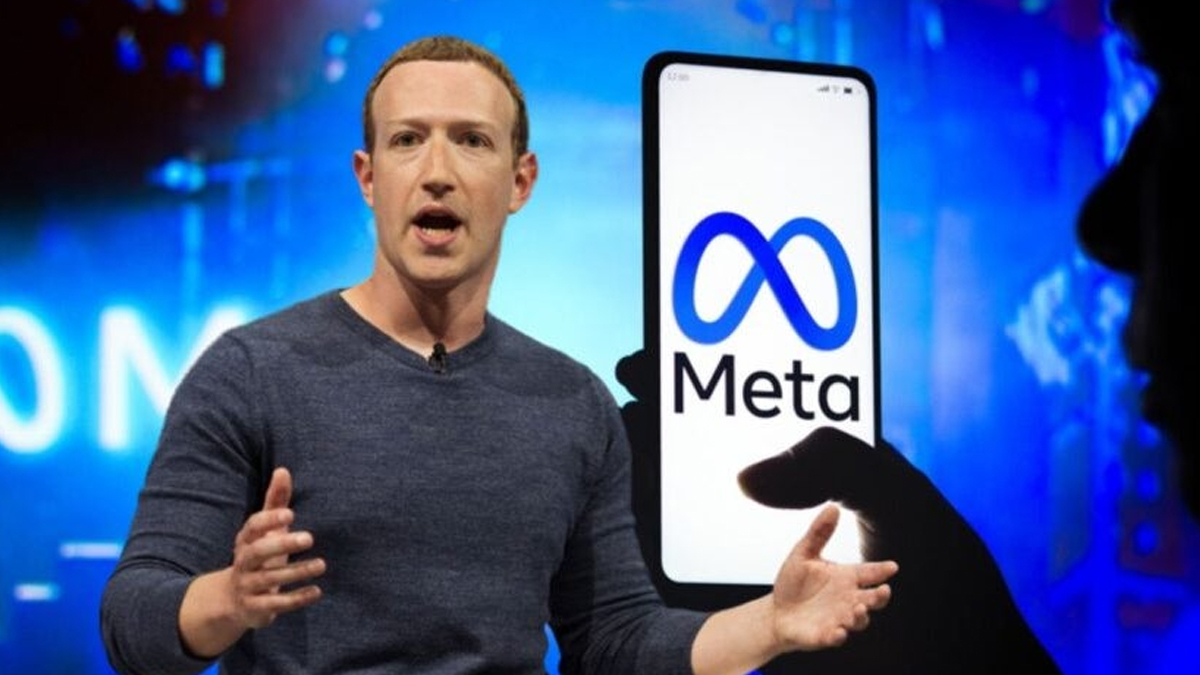
MUMBAI: Meta just bought itself a front-row seat to the newsroom because when AI needs facts, even Zuckerberg is willing to pay the subscription fee. Meta Platforms has signed a multiyear artificial intelligence content licensing agreement with News Corp that could be worth up to $50 million (£39 million) a year, The Wall Street Journal reported on 25 February 2026. The deal, expected to run for at least three years, grants Meta access to News Corp’s US and UK content including The Wall Street Journal and New York Post for training AI models and powering real-time information retrieval in its products.
Australian mastheads such as the Daily Telegraph and Herald Sun are not included. News Corp CEO Robert Thomson revealed the arrangement during a Morgan Stanley technology conference in San Francisco, describing news organisations as a vital “input company” in the AI ecosystem. “We’re essentially an input company,” he said. “The great threat in the age of AI is going to be to what you might call output companies.”
Thomson emphasised the value of reliable journalism as foundational infrastructure for AI systems, noting regular conversations with Meta CEO Mark Zuckerberg via Whatsapp and ongoing talks with OpenAI’s Sam Altman. He added that News Corp is in “advanced stage” negotiations for additional deals, promising further announcements soon.
The agreement follows News Corp’s 2024 five-year partnership with OpenAI (reportedly worth more than $250 million) and reflects Meta’s broader push to secure content licences. The company has already confirmed deals with People Inc, USA Today, CNN and Fox News, though financial terms remain undisclosed.
Publishers remain divided, some pursue partnerships for revenue, while others litigate. News Corp subsidiaries have sued Perplexity over copyright infringement, The New York Times is suing OpenAI and Microsoft, yet the same NYT struck a separate AI licensing deal with Amazon reportedly worth $20–25 million annually.
Thomson summed up the dual strategy as “woo or sue” seeking commercial agreements where possible, legal action when content is used without permission.
In an AI race where data is oxygen, Meta isn’t just training models, it’s buying the raw material for tomorrow’s answers, one headline at a time.






