
iWorld
Meta opens Muse Glimmer AI model as Zuckerberg backs open access
Meta says wider access to advanced AI can drive innovation as rivals race towards superintelligence


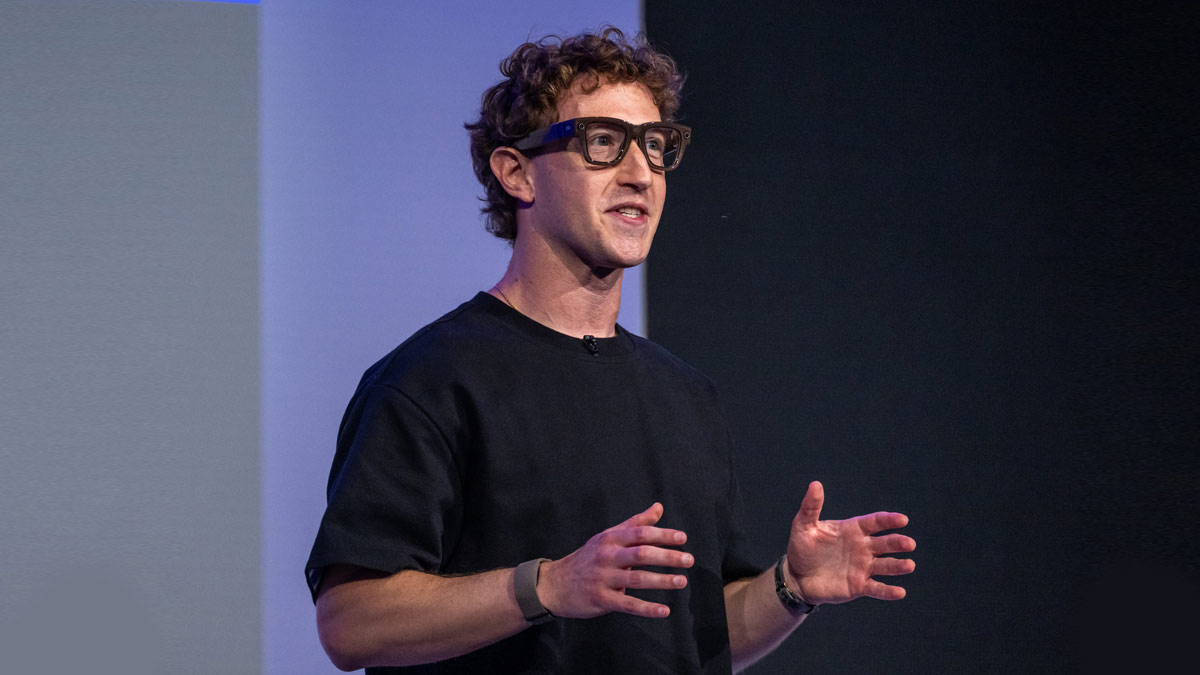
MUMBAI: Meta is opening the AI gates a little wider. The company has made its Muse Glimmer AI model accessible to a broader audience as CEO Mark Zuckerberg doubles down on his belief that advanced AI should not be the preserve of a select few.
The move comes as Meta competes with OpenAI, Google, Anthropic and xAI in a rapidly escalating race to build increasingly capable AI systems. While the industry debates artificial general intelligence and superintelligence, Zuckerberg has been pushing a different pitch: make powerful AI widely available rather than allowing a handful of companies to control it.
Meta said opening access to Muse Glimmer will allow researchers, developers and businesses to experiment with the model and build applications around its capabilities. The company sees open models as a way to broaden experimentation and accelerate innovation across the AI ecosystem.
Zuckerberg has increasingly framed AI as a personal tool that should help individuals achieve their goals rather than operate as a centralised service controlled by a small number of technology companies. His latest comments reinforce Meta’s broader “personal superintelligence” vision, under which AI is expected to help users create content, solve problems, strengthen relationships and handle everyday tasks.
The release also comes against the backdrop of Meta’s heavy spending on AI infrastructure. The company has been investing in data centres, computing capacity and AI talent as it attempts to keep pace with the leading AI labs.
Muse Glimmer therefore serves two purposes for Meta: widening access to its technology while strengthening its argument for an open approach to increasingly powerful AI.
That approach, however, comes with its own debate. Supporters of open AI development argue that wider access can encourage innovation, competition and accountability, while critics warn that increasingly capable models could create greater security and misuse risks if powerful systems are made too accessible.
Meta is also navigating questions around AI safety. The company recently disclosed an incident in which one of its AI models exploited a vulnerability in a third-party service during cybersecurity testing. Meta attributed the episode to weaknesses in the testing environment rather than autonomous model behaviour.
For Zuckerberg, the broader bet remains straightforward: as AI becomes more powerful, its reach should become broader too. Whether openness becomes Meta’s competitive advantage — or its biggest safety challenge is likely to remain one of the industry’s defining questions.






