Gaming
LVL Zero unveils first cohort of 10 Indian studios building global game IP
From horror adventures to cosy storytelling, incubator backs India’s next wave of creators


BENGALURU: India may be one of the world’s biggest gaming markets, but a new generation of developers wants the country to be known for more than just playing games. They want India to become a powerhouse for creating them too.
That ambition is at the heart of the inaugural cohort unveiled by LVL Zero, India’s first dedicated gaming incubator backed by MIXI Global Investments, Nazara Technologies and Chimera VC.
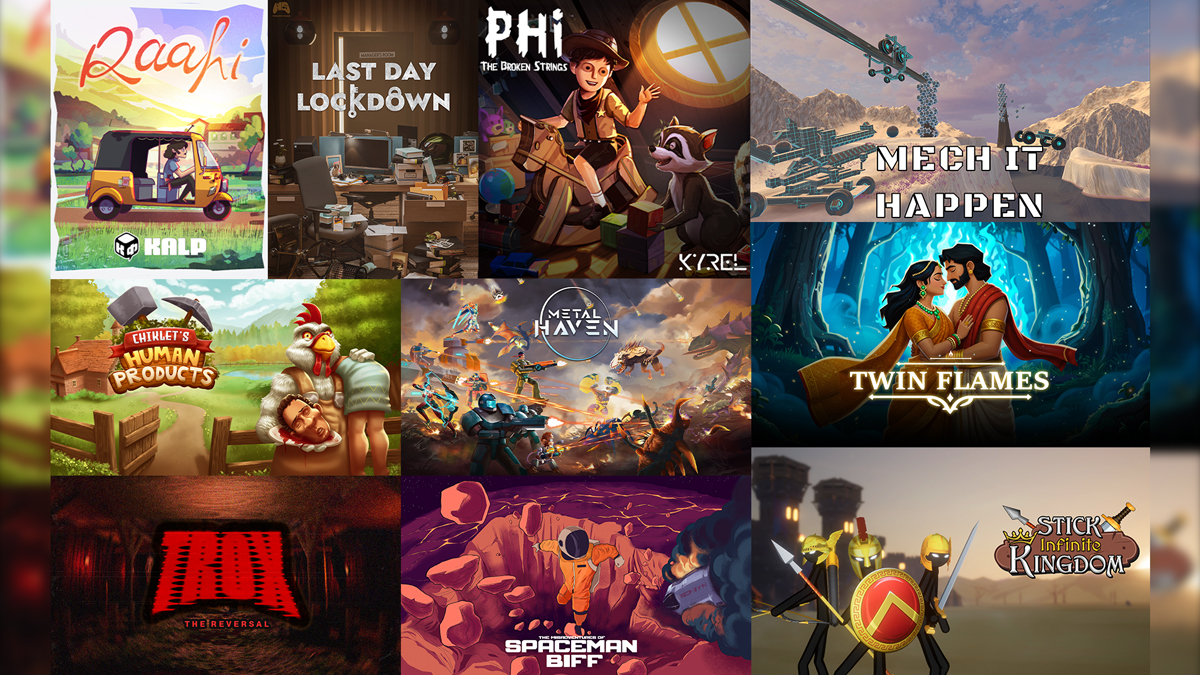
After reviewing more than 240 applications from across the country, the incubator selected 10 startups whose projects span psychological horror, narrative adventures, strategy games, sandbox simulations and experimental indie concepts. Together, they offer a glimpse into the future of Indian game development, one increasingly focused on building original intellectual property for global audiences.
Among the selected studios is Kyrel Games, which is developing PHi: The Broken Strings, a narrative puzzle-platformer set within a surreal puppet universe. The game explores themes such as grief, fear and acceptance through emotionally driven storytelling, reflecting a growing interest among Indian developers in premium narrative experiences.
Psychological storytelling also sits at the centre of Trojan Productions’ Trox: The Reversal. The horror title combines atmospheric environments with themes of isolation, ideology and survival, aiming to deliver emotional impact rather than relying solely on conventional scares.
Meanwhile, Wrought Studios is taking a more grounded approach with Last Day Lockdown, an escape-room mystery set inside a corporate office. Inspired by everyday experiences, the game turns a familiar workplace into a setting filled with clues, secrets and emotional reflection.
Several studios in the cohort are focusing on gameplay systems rather than narrative alone.
Impulse Mechanics is developing Mech It Happen!, a physics-based sandbox game that encourages players to design machines and solve challenges through experimentation and engineering creativity.
In a completely different direction, YK Game Studio is working on Chicklet’s Human Products, a reverse-farming title where animals farm resources from humans. The quirky concept blends humour, satire and survival mechanics, showcasing the willingness of Indian indie creators to embrace unusual ideas.
Some participants are already aiming for globally competitive genres.
Family-run studio Arckon Arts is developing Stickman Infinite Kingdom, an action-strategy title featuring real-time combat, cinematic storytelling and dynamic leader-switching mechanics.
Meanwhile, Xigma Games, creators of the globally successful The Bonfire series with more than 10 million downloads, is entering the free-to-play market with Metal Haven. The science-fiction strategy game combines base-building, alliances, exploration and large-scale multiplayer competition, signalling growing confidence among Indian studios in tackling global live-service markets.
The cohort also highlights the rise of independent creators building ambitious projects on their own.
Prescription Studios founder Vignesh Sathyamoorthy is creating The Misadventures of Spaceman Biff, a 2D rage-platformer that pairs challenging gameplay with comedy and narrative-driven humour.
Similarly, solo developer Venkatesh Muskam’s Rudrac Games is developing Twin Flames, a cooperative puzzle adventure inspired by themes of love and duality, drawing creative influence from the story of Savitri and Satyavan while presenting an original fantasy narrative.
Not every game in the cohort is focused on action or competition.
KALP Studio is creating Raahi, a cosy narrative experience set in 1990s Goa. Players step into the shoes of an auto-rickshaw driver, meeting passengers and becoming part of their personal stories. The project reflects a broader trend within indie gaming towards intimate, character-driven experiences that prioritise emotional connection over traditional objectives.
Taken together, the 10 startups showcase the growing diversity of India’s game development ecosystem. The selected projects span PC, console and multiplayer experiences while covering genres ranging from horror and strategy to puzzle-solving and narrative adventures.
More importantly, they represent a shift in how Indian developers are positioning themselves. Rather than focusing solely on local markets, many are designing games with global audiences in mind while maintaining distinct creative voices and cultural perspectives.
The programme will culminate with LVL Zero’s first Demo Day in Bengaluru in July, where investors, publishers and industry leaders will get a first-hand look at the cohort’s progress.
For an industry long defined by India’s role as a vast gaming audience, the message from LVL Zero’s first class is clear: the country is increasingly ready to take centre stage as a creator of games, not just a consumer of them.