Broadband
India SatCom-2015: Ushering in a new era


MUMBAI: Accounting for approximately 17 per cent of the global population and with a growing middle class and a large population still living in rural & remote areas, India presents large market opportunities for satellite communication services. With the government’s focus on ‘Digital India’, one of the significant market enablers for broadband penetration shall be over satellite, as a large share of the population still remain beyond the reach of the terrestrial broadband network including fiber and cable.
To shake off the inertia and cynicism and bring about an awakening call to the policy makers for the need to refocus on satellite communication policy and to realise the dream and vision of our Hon’ble Prime Minister – Narendra Modi to make “ Digital India “ –India’s road map for providing inclusive growth & development for its entire population of 1.3 billion, we are organising a unique day long seminar about Satellite Communication and how we can use this technology to transform the lives of the people of India. On behalf of Broadband India Forum ( BIF ), we are pleased to invite you to attend this gala event to be held on 16 January 2015 at Hotel Le Meridien , Janpath, New Delhi from 10am. The theme of the conference is India Satcom-2015: Ushering in a new era.
The chief architect of the ‘Digital India’ program- Hon’ble Minister of Communications & IT-Shri Ravi Shankar Prasad ji has been invited to grace the occasion by inaugurating the conference and delivering the inaugural address.

The dignitaries who have been extended the invitation to be a part of the conference are Rahul Khullar, Chairperson- TRAI, Rita Teotia, Special Secretary- Dept. of Telecom and Kiran Karnik prominent Indian administrator chiefly known for his work in the broadcasting and outsourcing industries, RK Arnold, Member TRAI besides leading industry veterans viz. Vern Fotheringham-CEO & MD, Kymeta Corp, USA who shall be delivering the keynote address & David Hartshorn-Secretary General, Global VSAT Forum ( GVF ) who shall be bringing an international perspective to the discussions.
The occasion will also see the release of the White Paper on Satellite Vision – 2020 besides the launch of the India SatCom Forum under the aegis of Broadband India Forum. This will be entrusted to take the recommendations of the conference forward and work diligently to provide industry inputs in the New Satcom Policy-2015.
The conference is expected to be attended by eminent visionaries, technocrats, industry specialists and bureaucrats from Telecom Regulatory Authority of India, Ministry of Information and Broadcasting, Doordarshan, Prasar Bharati, Bharat Sanchar Nigam Limited, Department of Telecommunications, Government of India, Telecom Engineering Center, Indian Space research Organization / ANTRIX,WPC (Wireless Planning & Coordination Wing) and from the Broadcasters, Satellite Service Providers,Satellite Operators, Telecom Service Providers, Broadband Service Providers / Internet service Providers, DTH Operators , VSAT Service Providers, System Integrators, Technology Providers and Users.
The conference has been supported by two large international organisations- the Global VSAT Forum (GVF) and the Cable & Satellite Broadcasters Association (CASBAA).







Broadband
ACT Fibernet elevates Aditya Singh to chief customer experience officer
Former senior vp to drive service, retention and delivery revamp
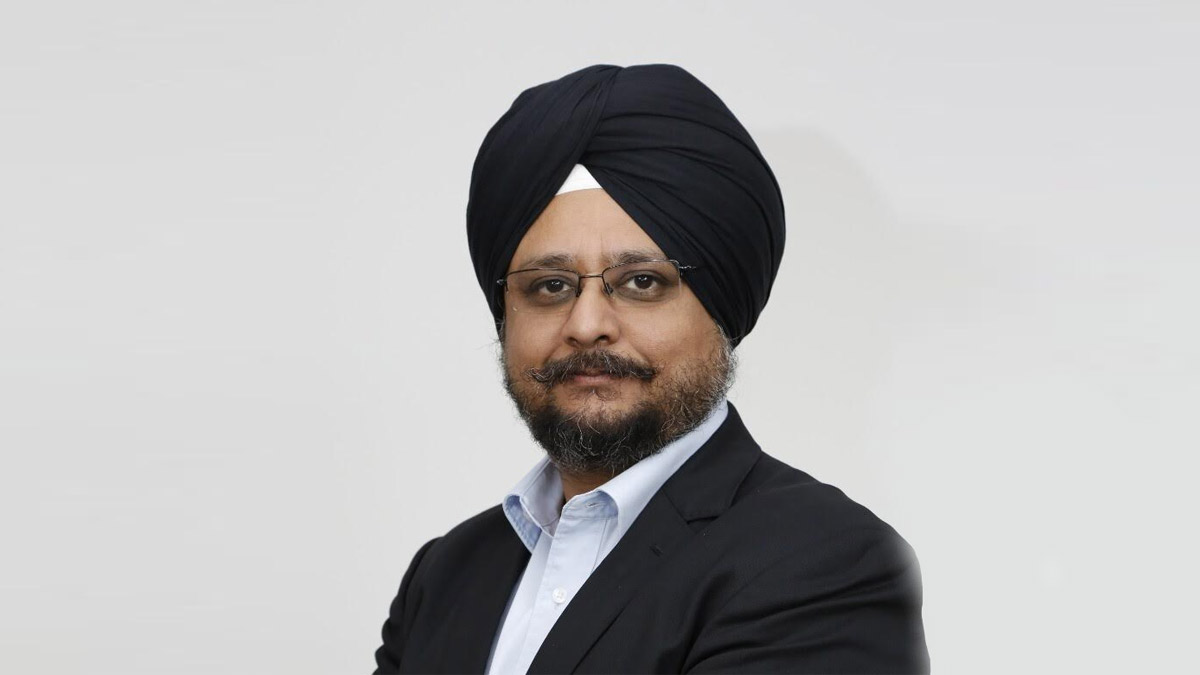
BENGALURU: ACT Fibernet has elevated Aditya Singh to chief customer experience officer, effective 1 January, 2026, as the broadband provider seeks to tighten its grip on service quality in an increasingly competitive market.
Singh, who previously served as senior vice-president – customer experience and loyalty at group level, will now join the executive committee and lead the company’s end-to-end customer transformation agenda.
The move gives him oversight of customer service, customer retention and service delivery, alongside a broader mandate to strengthen network resilience and field operations. The company said the reshuffle underlines its intent to deliver a “consistent, seamless and superior” experience to its 2.3m subscribers across more than 30 cities.
Headquartered in Bengaluru, ACT Fibernet, the consumer-facing brand of Atria Convergence Technologies Limited, is one of India’s largest wired internet service providers. It has built its pitch on high-speed connectivity and responsive customer support, at a time when fibre roll-outs and price wars are redrawing the broadband map.
In a statement, Singh said he was “deeply honoured” to take on the expanded brief and join the executive committee as the company sharpens its focus on simplifying customer touchpoints and turning subscribers into brand advocates.
The elevation signals a clear priority: in a crowded fibre market, customer experience is fast becoming the decisive battleground.








