Gaming
Microsoft puts monthly limits on Xbox cloud gaming
Game Pass subscribers will get 5 to 15 hours before needing to buy more


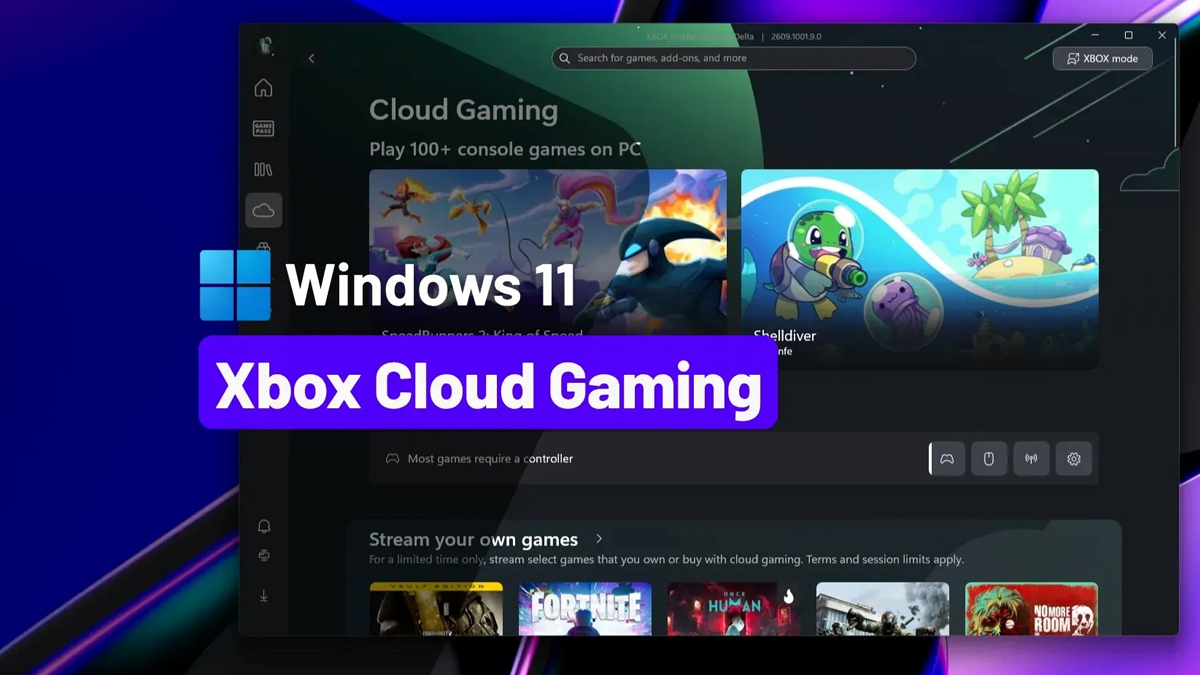
MUMBAI: The cloud now comes with a clock. Microsoft is putting a monthly limit on Xbox cloud gaming for Game Pass subscribers, meaning players who have grown accustomed to streaming games without watching the hours could soon find themselves keeping a closer eye on the timer.
From November, Game Pass plans will come with fixed monthly cloud gaming allowances. Game Pass Ultimate subscribers will get 15 hours, Premium subscribers 10 hours, while Essential subscribers will have 5 hours of cloud gaming each month.
Once those hours run out, players will be able to buy additional cloud playtime through the Xbox Store. Microsoft said the change affects around 4 per cent of Game Pass subscribers, but those who rely heavily on cloud gaming could see their overall cost rise.
The shift marks a significant change from the current system, under which Game Pass subscribers can stream games without a monthly hour cap. Microsoft said the growing cost of providing cloud gaming, driven by increasing usage and longer play sessions, is behind the move. The company said the new structure will help it invest in reliability and performance, while acknowledging that it could mean higher costs for some players.
There is, however, another route into the cloud. From November, players will be able to purchase cloud gaming hours separately through the Xbox Store and stream eligible games they own on supported devices without a Game Pass subscription.
Microsoft has not yet disclosed the price of the additional hours or the size of the batches it will sell. The company said more details on pricing, eligible games, market availability and how users can check their remaining time will arrive in November. The purchased hours will not expire, so players will not have to race against another clock to use them.
The timing is particularly interesting as the gaming industry grapples with soaring hardware costs. Cloud gaming is increasingly being positioned as a way to let players access newer titles without buying expensive consoles or upgrading PCs.
That could make Xbox Cloud Gaming especially useful for Xbox One owners looking to play current-generation titles, PC players whose machines cannot handle demanding games, or Game Pass users who want to sample a title before installing it. It can also turn almost any supported device into a temporary gaming screen when a console is out of reach.
And then there is GTA 6. Rockstar’s blockbuster is due in November, just as Microsoft’s new cloud model arrives. Microsoft may insist the two developments are unrelated, but the timing is hard to ignore, particularly if players without the latest hardware look towards streaming as an alternative.
The broader economics make the move easier to understand. Take-Two CEO Strauss Zelnick recently predicted that the games industry could enter “commercial streaming mode” within three years, arguing that streaming could help offset the growing cost of hardware.
That hardware squeeze has been intensifying. Microsoft previously said console storage and memory costs had risen by more than 2.5 times, with another doubling expected by autumn 2027. The company has already raised Xbox console prices, while Sony and Nintendo have also increased prices for their respective hardware.
Microsoft’s new Xbox CEO Asha Sharma has warned that the escalating cost of consoles will require “radically different business models”, saying it could become difficult to imagine mass audiences spending thousands of dollars on a new console generation.
The company has already been testing another piece of that new model. In July, Microsoft began testing ad-supported Xbox game streaming, promising that advertisements would not interrupt gameplay. The idea was pitched as a way to make streaming games on existing devices more useful, particularly in markets where consoles are difficult to find or less affordable.
For now, Microsoft’s cloud strategy appears to be moving in two directions at once: charge more for heavy Game Pass cloud users, while opening cloud access to people who simply want to stream games they own. The real test will come in November, when players find out exactly how much that extra time in the cloud will cost.