
iWorld
FM radio shutdown sparks debate on whether streaming is fraying shared listening
Closure of HT Media stations reignites concerns over music becoming a solitary experience


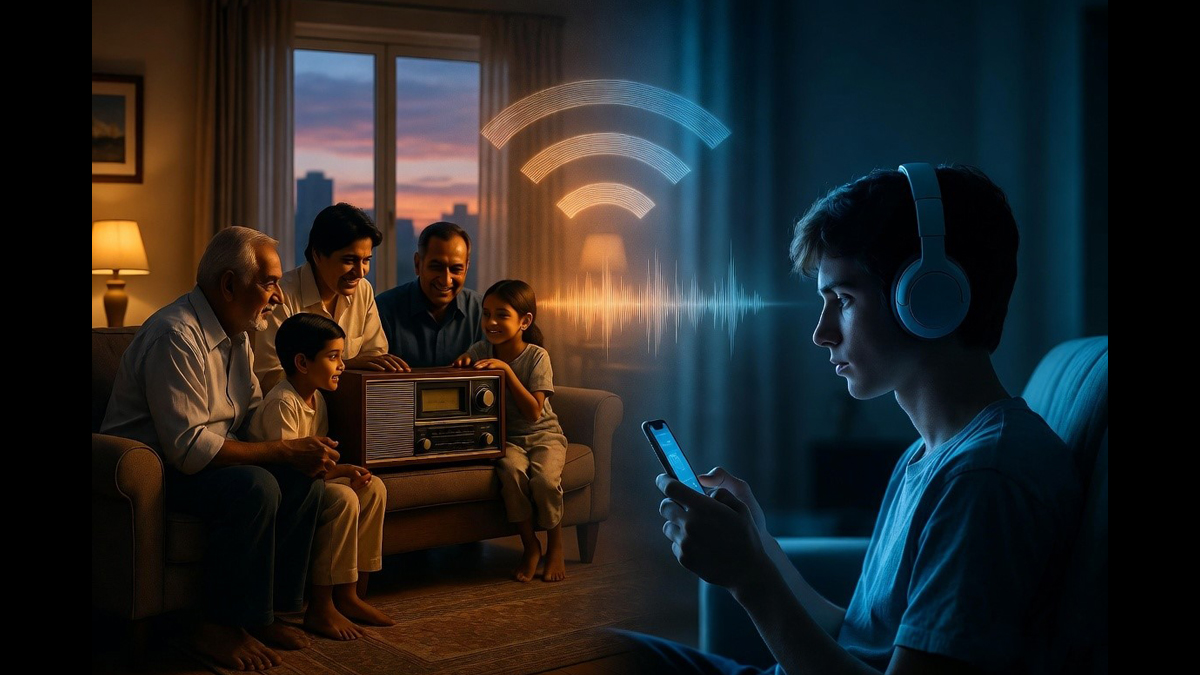
MUMBAI: When the airwaves go quiet, something louder begins to play in the cultural debate. The silence left behind by several FM stations going off air has sparked a louder cultural question about how people experience music in the streaming era.
The conversation was triggered after singer Paushali Sahu reflected on the shutdown of multiple FM stations operated by HT Media, including Radio Nasha, Radio One and Fever FM. The stations ceased broadcasting on June 15, 2026, after the company cited financial and strategic pressures driven by declining ad revenues and the rapid shift towards digital audio platforms.
In a widely shared post, Sahu questioned whether streaming has made music more accessible while also making it more isolated, pointing to the loss of shared listening moments that once defined radio culture.
The closure has reignited a broader debate about what FM radio represented beyond music. For decades, radio functioned as a shared cultural thread. Listeners across cities heard the same songs at the same time, creating collective reference points that often crossed generations and geographies.
Morning playlists, afternoon slots and evening countdowns meant that millions could be listening to the same Asha Bhosle or Arijit Singh track within the same hour. In many households and cars, radio also acted as a companion, blending music with RJ banter, call-ins, traffic updates and city-specific humour.
That shared rhythm, critics argue, is harder to replicate in a streaming-first world. Algorithm-driven platforms such as Spotify, YouTube Music and JioSaavn prioritise personalised recommendations, shaping listening habits around individual taste rather than collective discovery. While this has expanded access to global music and independent artists, it has also reduced the likelihood of people encountering the same songs organically.
Streaming platforms have undeniably widened access. A listener in a small town can now move seamlessly between global pop acts, indie discoveries and regional music libraries. Playlists tailored to mood, activity and preference have made music more flexible and on-demand than ever before.
Yet the trade-off, as many observers note, is the erosion of shared cultural moments. Where radio once created a communal listening experience, streaming often delivers highly individualised soundtracks. The result is greater choice, but fewer synchronised experiences.
The FM shutdowns have therefore come to symbolise a wider media shift from broadcast to algorithm. In the broadcast era, audiences received the same signal. In the algorithm era, every listener receives a different feed.
As nostalgia for radio resurfaces online, many are not just mourning stations, but the rituals attached to them, from school runs soundtracked by familiar voices to accidental discovery of songs that became lifelong favourites. The debate now is not simply about technology replacing radio, but about what society may have lost in translation.
In the end, the silence of FM radio may not mark the end of listening, but the end of listening together.






