
iWorld
Delhi High Court questions Instagram Remix feature over copyright concerns
Court asks Meta whether video manipulation tool could facilitate copyright infringement


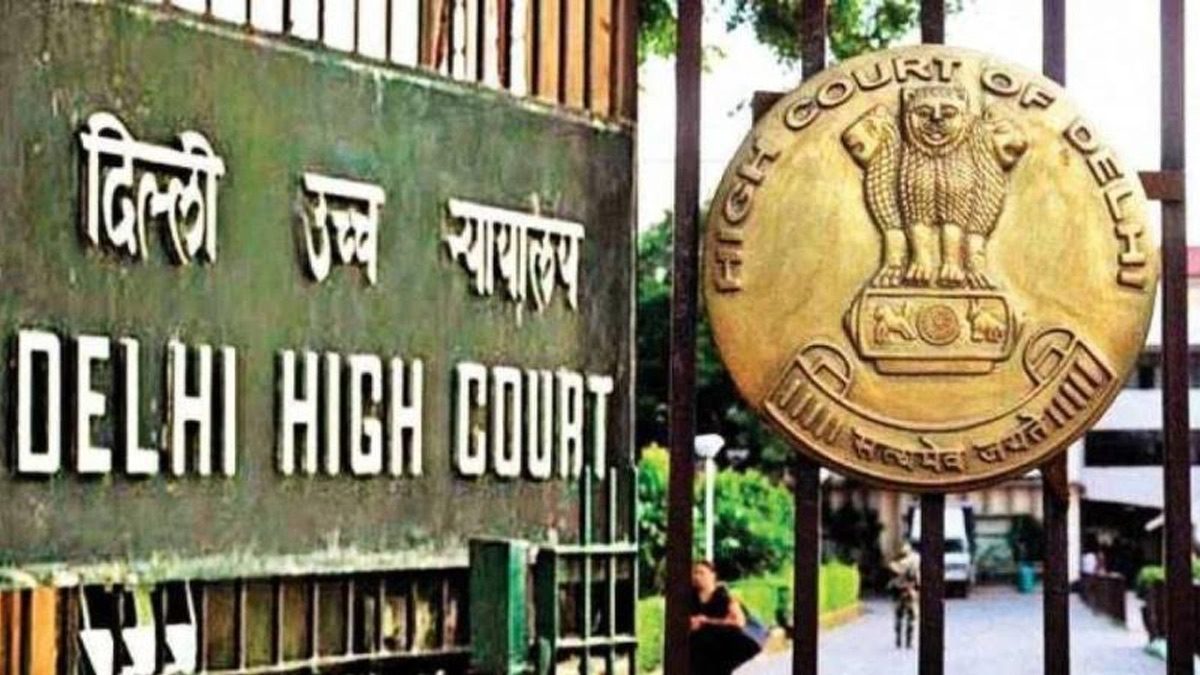
MUMBAI: Instagram’s remix button has landed in a legal remix of its own. The Delhi High Court has raised concerns over the platform’s feature that allows users to take an existing public video, add their own footage and publish the combined version on their own account.
Justice Anup Jairam Bhambhani raised the concerns while hearing a copyright and personality rights dispute involving educator and Drishti IAS founder Vikas Divyakirti. The Court questioned Meta’s counsel on whether Instagram’s ability to manipulate and republish existing videos could potentially become a tool for copyright infringement.
The judge used a simple example to illustrate the concern. If someone uploads a video explaining how to cook a recipe, another user could take the entire video, add footage of themselves cooking the same recipe and publish the resulting material on their own Instagram handle.
The Court questioned whether such functionality could make it easier for users to reproduce or modify copyrighted material without the original creator’s consent. Justice Bhambhani described the feature as a “mischievous feature” and asked Meta whether its platform effectively permits such manipulation.
The observations were directed specifically at Instagram’s Remix functionality. The feature allows users to create a new Reel using an existing public Reel or video, with the option to add their own recorded or pre-recorded footage alongside the original before publishing the resulting Remix on their account.
Advocate Varun Pathak, appearing for Meta, told the Court that he would look into the concerns raised during the hearing. The exchange puts the spotlight on the balance between user-generated creativity and the intellectual property rights of the creators whose material is being reused.
The issue arose in the wider copyright and personality rights proceedings brought by Divyakirti, who is seeking protection for his personality and intellectual property rights. Senior Advocate Diya Kapur, appearing for Divyakirti, highlighted instances in which portions of his lectures were allegedly manipulated and reused online.
Kapur also referred to deepfake videos and fake endorsements involving the educator. The submissions brought the broader question of how social media platforms deal with altered or repurposed content into the hearing.
The Court also discussed the operation of copyright complaints and strikes on digital platforms. Kapur alleged that accounts can be suspended following copyright complaints without adequate examination of whether the underlying complaint is genuine.
That led the Court to examine the consequences of copyright strikes for creators. Justice Bhambhani observed that such strikes could have disproportionate consequences for the person against whom they are issued, particularly when the affected user has to go through a process to restore an account or content.
The Court’s concern was not limited to the act of making a copyright complaint, but also to what happens when an allegedly false or improper complaint takes effect. The observation highlighted the imbalance between the immediate impact of a strike and the process required for the affected creator to challenge it.
The hearing also moved beyond the question of Instagram’s Remix tool to alleged instances of online infringement involving Divyakirti’s content. The case brings together several increasingly common issues in the creator economy, including content reuse, deepfakes, personality rights, copyright complaints and platform moderation.
The Court subsequently granted Divyakirti interim relief and directed the takedown of certain deepfake videos, among other links. It also directed social media intermediaries to share basic subscriber information and IP logs relating to persons allegedly uploading infringing content online.
The proceedings therefore put both sides of the platform equation under scrutiny: creators seeking stronger protection for their work and identity, and platforms providing tools that allow users to create, edit and redistribute content at scale.
For Instagram, the Court’s questions put a spotlight on how features designed to encourage participation and remix culture intersect with copyright law. For creators, the case highlights the practical consequences that can follow when original videos, lectures or other material are copied, altered or republished across social platforms.






