iWorld
Ajio stitches drama into feeds as micro-series blurs fashion and feelings
Instagram-first series Suit Yourself marks Ajio’s move into episodic storytelling.


MUMBAI: What happens when fashion steps out of the ad break and into a messy flatshare? Ajio is finding out with Suit Yourself, an Instagram-first micro-drama that swaps glossy campaign frames for cliffhangers, conflicts and complicated equations.
The six-episode series, released in tight 180-second drops, marks a clear shift in Ajio’s brand playbook. Instead of telling audiences what to wear, the platform lets characters live it. The story follows three friends and flatmates, Anya, Rohan and Rhea, whose easy camaraderie slowly unravels as blurred boundaries and unspoken emotions come to the fore. What begins as playful banter quickly deepens into drama that mirrors the realities of modern urban relationships.
Starring Anya Singh, Rohan Gurbaxani and Helly Thakkar, the micro-drama is designed to exist as entertainment first. Ajio’s fashion offerings appear organically, woven into the characters’ moods and moments rather than pushed as overt messaging. Clothes become emotional cues, not sales pitches, making the brand feel present without being loud.

Built specifically for Instagram consumption, each episode ends on a deliberate pause, nudging viewers to come back for more. The format leans into how audiences now consume content on social platforms, in short bursts, but with a hunger for continuity and narrative payoff.
Suit Yourself also marks the launch of Ajio Original, the brand’s new slate of narrative-driven branded content. The initiative signals Ajio’s intent to invest in original IPs that build long-term cultural relevance, moving beyond interruption-based advertising towards stories that audiences actively choose to watch.
Explaining the shift, an Ajio spokesperson said today’s viewers connect more deeply with stories than standalone campaigns. The micro-drama format, they noted, allows fashion to sit naturally within everyday narratives, creating moments that feel relatable, shareable and native to social feeds.
Orange Elephant filmmaker Afroz Khan who led the project, echoed the sentiment, saying the series was built around character-led writing and situations that reflect how people actually discover and engage with fashion today. The growing interest in micro-dramas, he added, shows how brands are rethinking storytelling in a scroll-first world.
The series rolled out exclusively on Ajio’s Instagram handle and app, with daily episode drops starting 7 February, timed to Valentine’s week. In a platform twist, the final two episodes will debut first on the Ajio app before landing on Instagram, alongside a specially curated Valentine’s Day edit.
With Suit Yourself, Ajio isn’t just dressing characters, it’s testing how far fashion can go when it stops selling and starts storytelling.






Gaming
India’s broadcasters say no to Fifa World Cup 2026
Fifa has slashed its asking price by 65 per cent but India’s broadcasters are still not buying
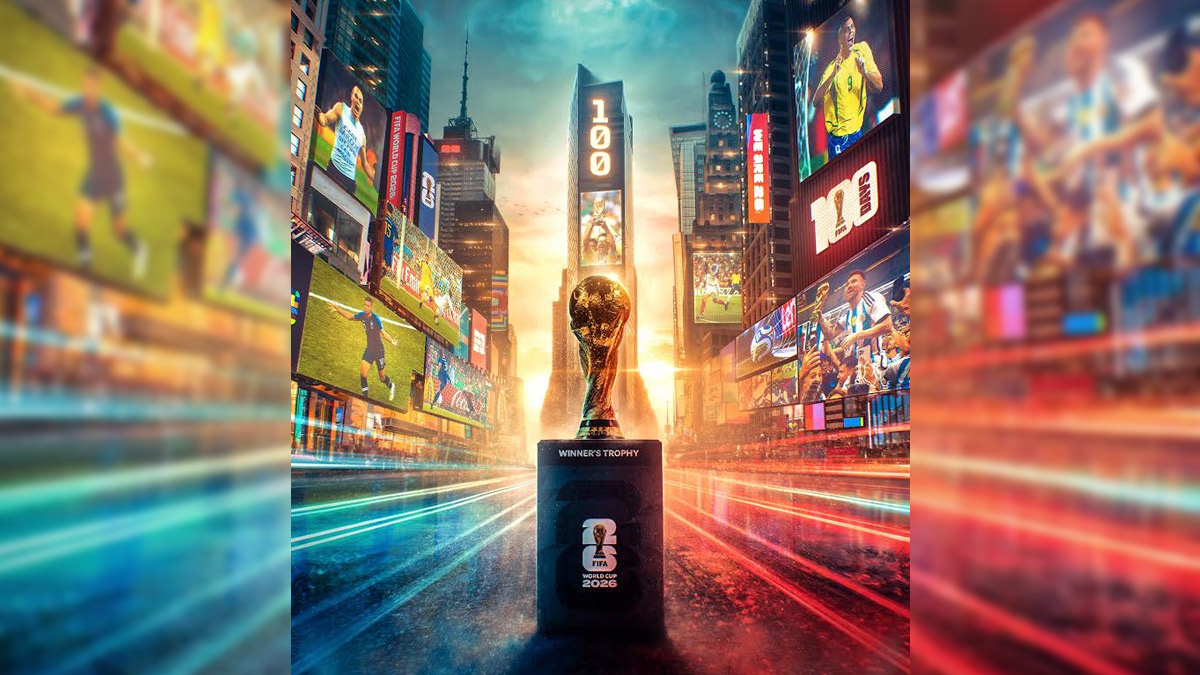
MUMBAI: The world’s biggest sporting event cannot find a single taker in the world’s most sports-mad nation. Fifa’s television rights for the 2026 World Cup remain unsold in India, and the clock is ticking loudly.
To shift the property, world football’s governing body has already swallowed hard and cut its asking price from $100m to $35m, bundling in the 2030 edition as a sweetener. It has not worked. Indian broadcasters have looked at the offer, done the sums and quietly walked away.
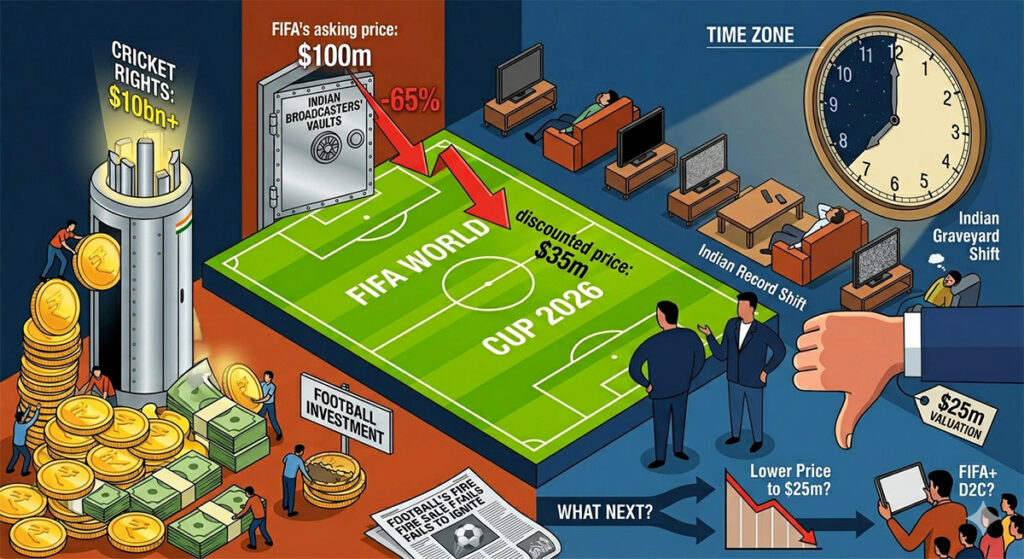
The reasons are brutally simple. The 2026 tournament, co-hosted by the United States, Canada and Mexico, kicks off in a time zone that turns India’s primetime into a graveyard shift. Most matches will air between midnight and 7am IST, a scheduling catastrophe for advertisers chasing mass reach. The 2022 Qatar edition was a gift by comparison, with matches dropping neatly into Indian evenings. North America offers no such luxury.
The market itself has also changed beyond recognition. The merger of Star India and Viacom18 into JioStar has gutted the competitive tension that once sent sports rights prices soaring. Where rival bidders once slugged it out, there is now a single dominant buyer, and it is in no hurry. JioStar has valued the rights at roughly $25m, a full $10m below Fifa’s already-discounted floor price. That gap has so far proved unbridgeable.
Broadcasters are also nursing a ferocious cricket hangover. Between 2022 and 2023, Indian media houses committed well over $10bn to cricket rights alone, covering IPL, ICC events and BCCI domestic fixtures combined. After a binge of that scale, appetite for a football package that delivers a fraction of the ratings, in the dead of night, is close to zero.
The economics of football broadcasting make the maths even harder. Cricket, with its natural breaks every few overs, is an advertiser’s paradise. Football offers a 15-minute halftime and precious little else. Recovering a nine-figure rights fee from a single half-hour ad window is a stretch at the best of times. These are not the best of times: the Indian government’s tightening grip on real-money gaming and gambling advertising has vaporised a category that once underwrote the economics of big sporting events.
Nor is the World Cup an anomaly. Indian Super League valuations have cratered. English Premier League rights have softened across successive cycles. The cooling of football as a broadcast commodity in India is structural, not cyclical.
With the tournament opening on 11th June, Fifa is running out of road. It may yet blink and meet JioStar at $25m. Or it may go direct, streaming the entire tournament on its own platform, Fifa+, or cutting a digital deal with YouTube, and hoping that a generation of Indian football fans finds its way there without a broadcaster to guide them.
Either way, the beautiful game’s Indian chapter is looking decidedly ugly.






