MAM
Jivi Mobiles marketing budget 5 per cent

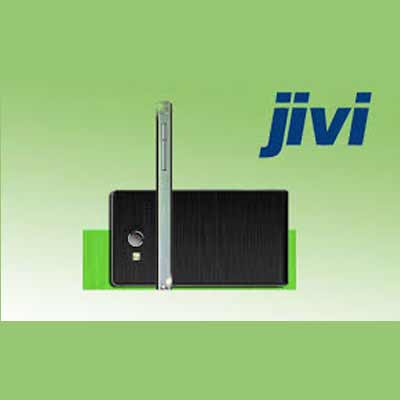
NEW DELHI: Jivi Mobiles, a division of Magicon Impex Pvt Ltd, proposes to spend five per cent of its total investment into marketing of its mobiles.
Jivi Head Marketing Harsh Vardhan told indiantelevision.com that the company is only advertising on FM and in newspapers at present in view of its target to reach rural audiences as the mobiles launched by it are not smart phones. However, it will ultimately go 360 degrees in its campaign at a later date. At present, Jivi already has the Jivi Shoppe channel on Dish TV (209) and Reliance (313).
Jivi Mobiles CEO Pankaj Anand said that seventy to seventy-five per cent of the parts of its mobiles are still imported from China, but was quick to add that the country had the potential to produce all the parts if the government gave the right incentive, including increasing the duties on imported parts.

Earlier, Jivi announced the launch of seven feature mobiles ranging between Rs 699 and Rs 1199. Anand said this had become possible because of the encouragement given under the Make in India scheme.
Demonstrating style combined with advanced technology, the devices aspire to be the ideal companion for people who are looking for offering seamless and enhanced user experience at an affordable price.
Anand said “We are one of the very few companies in the country to offer such a wide range of feature phones at these price points. All our devices and chargers are Bureau of Indian Standards (BIS) approved. The products would be ‘Made in India’, in our newly opened facility in Delhi. ”
JIVI Mobiles is setting up two new facilities with an investment of Rs 200 crores. JIVI Mobile first factory is in Mahipalpur, New Delhi, built up on an area of 15000 sq. ft. which would cater to the north and east India demand of JIVI Mobile phones. The facility in Mahipalpur will have a capacity to roll out 700,000 phones per month and it employs some 350 employees in the first phase.
The second facility of JIVI Mobiles is located in Lonavla, Maharashtra, to cater to the south and western parts of the country and would be operational in the coming months.
“This investment of Rs 200 crore in our manufacturing units would be made in phases and would have a capacity to generate employment for nearly 1000 skilled workers over a period of time. The purpose of setting up these manufacturing facilities is to save on the imports duties and hence cut on the manufacturing cost by 10 to 15 per cent. We would pass on the benefit to our customers.” He said there were over 550 service centres all over the country with eighty per cent of them being in rural areas.
The company proposes to tap the huge potential for feature phones in the country and manufacture all its devices in India in the days to come. Jivi Mobiles would be manufacturing battery, chargers and handsfree in India to cut the cost of duty which is 29.5 per cent currently. The benefits would be passed on to the customers.
Answering a question, he said the phones at present only had the option of Hindi and English but would soon have other languages as well. Every feature phones comes with a scheme of ‘Dugni Bachat Dugna Fayada’ – free LED bulb – 9W.





MAM
VML India lands two finalist spots at Cairns Hatchlings 2026
The Mumbai agency is back in Australia with two teams, a UN brief and 24 hours to impress

MUMBAI: VML India is heading to Australia again. The Mumbai-based creative agency has secured two finalist spots at the Cairns Hatchlings 2026 competition, one in the Audio category and one in Design, making it the only Indian agency to have reached the finals in both editions of the contest since its launch in 2025.
Four people will make the trip. Senior copywriter Shilpi Dey and senior art director Raj Thakkar will compete in Audio. Art directors Shabbir and Shruti Negi will go head-to-head with the world’s best in Design. The finals take place at the Cairns Convention Centre from 13th May, culminating in an awards ceremony on 15th May.
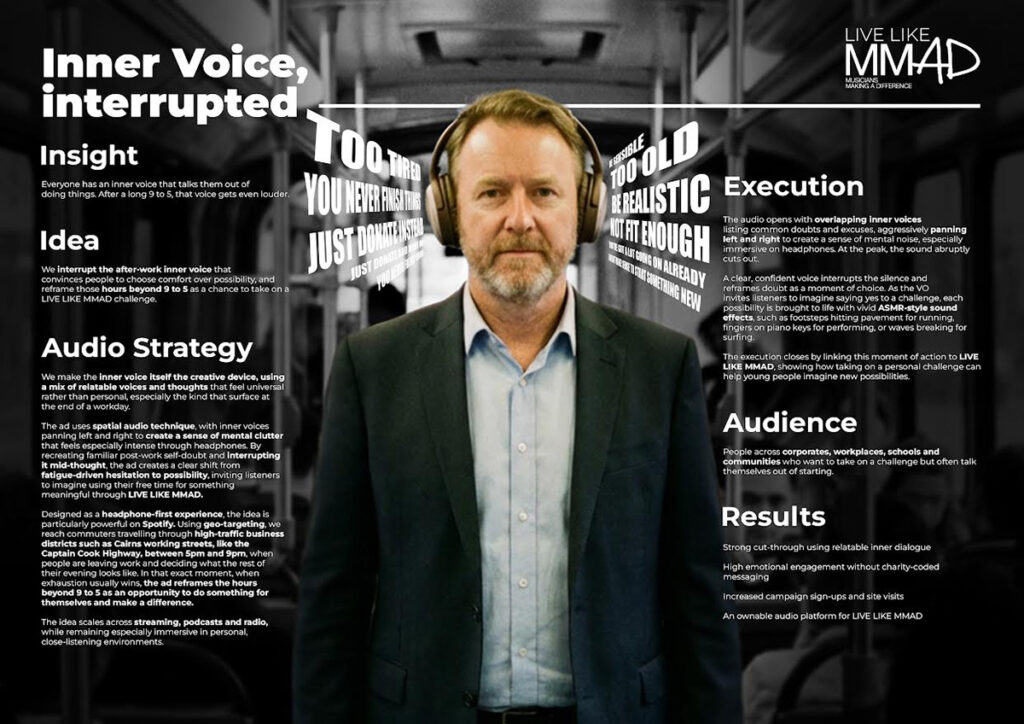
The work that got them there is worth examining. For the Audio category, Dey and Thakkar tackled a brief for LIVE LIKE MMAD with a campaign called Inner Voice, Interrupted. Using spatial audio techniques, the campaign recreates the overwhelming self-doubt that descends after a long workday, physically panning negative thoughts left and right before cutting the noise entirely to reveal a confident inner voice. Strategically targeted at commuters via Spotify during evening rush hours, the campaign reframes the hours after work as an opportunity for personal growth and charitable action.
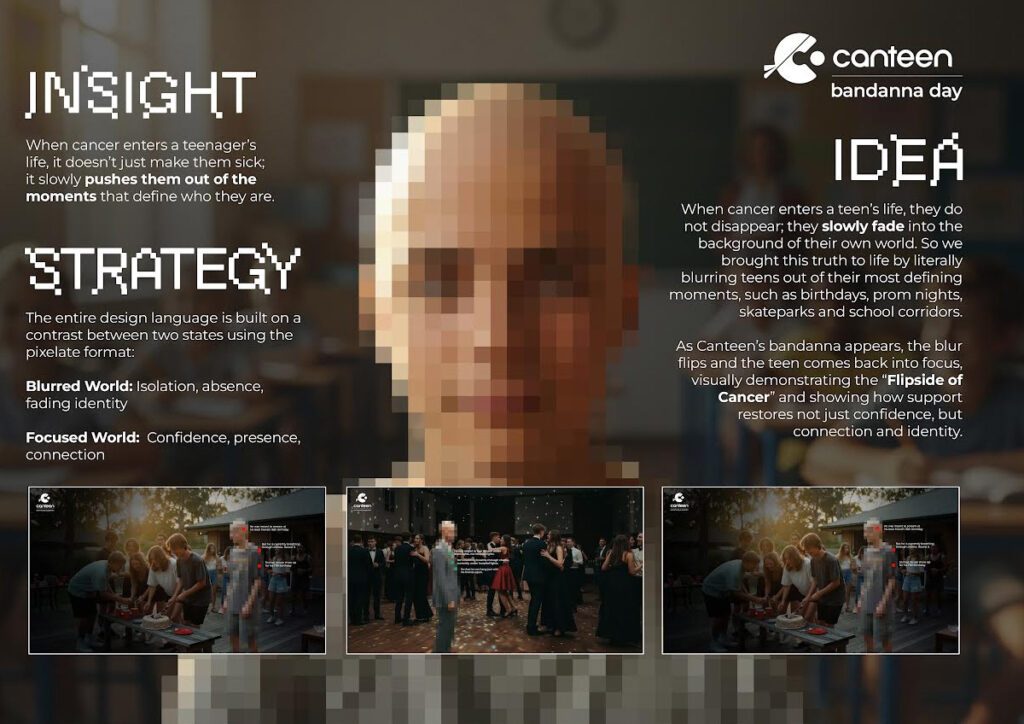
For the Design category, Shabbir and Negi worked on a brief for Canteen’s Bandanna Day, a campaign highlighting how cancer pushes teenagers out of their own defining moments. Using a pixelated design language to create stark contrast between a blurred world of isolation and a focused world of connection, the campaign, titled The Flipside of Cancer, shows teenagers fading into the background of birthdays, skateparks and school proms. As a Canteen bandanna appears, the blur flips and the teenager snaps back into sharp focus.
Kalpesh Patankar, group chief creative officer of VML India, made no attempt to disguise his satisfaction. “We are immensely proud to see our teams consistently excel on the Cairns Hatchlings platform since its inception,” he said. “They have masterfully tackled challenging briefs across diverse categories, demonstrating both layered storytelling and a unique creative approach. This exceptional teamwork is truly inspiring.”
Dey and Thakkar, returning to the finals after last year’s run, were candid about the demands of the audio medium. “It’s one of the most demanding mediums, where we only have a few seconds to capture a listener’s world with sound alone, so absolute clarity is essential,” they said. “The true measure of creative work is its ability to create positive change, and our audio submission was made to help those who need it most while encouraging people to silence the inner voices that hold them back.”
Shabbir and Negi, competing in Design for the first time, described the experience as “a completely different beast.” “We see it as an opportunity to showcase our expertise, raise the bar, and challenge ourselves in new ways, while also learning from creative minds from across the globe,” they said.
In Australia, the four finalists will face a live 24-hour brief from the United Nations before presenting in a live pitch session. Twenty-four hours, one brief, one shot. VML India has been here before. It knows exactly what is at stake.