MAM
Chaayos and its brand of tea fly high with Spice Jet

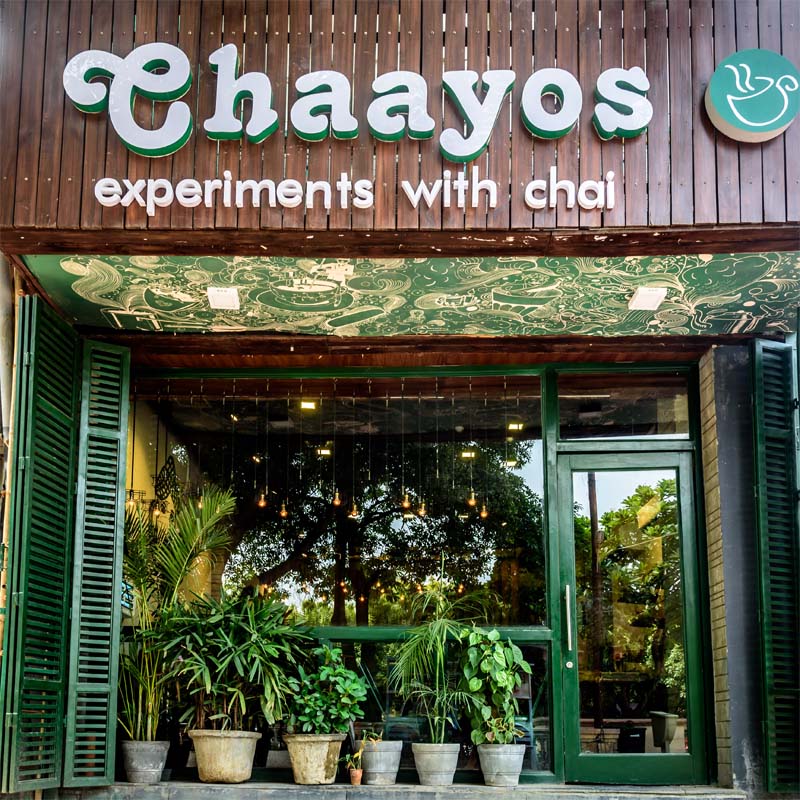
MUMBAI: Brand integration and partnerships are key to the startup world and often lead to innovative co-ops. SpiceJet, for example, has joined hands with the hip and upscale tea shop franchise Chaayos to serve hot steaming cup of masala chai to its passengers on-board.
For those who don’t know, Chaayos is a kiosk style tea startup that kick-started in Gurgaon and has gained popularity among the chai lovers in cities.
“Spice Jet is a people’s brand and our sustained efforts are always towards nurturing the ‘experience’ that our customers have with us. Chaayos is an expert in customised tea and with this partnership, we look forward to our customers savouring the chai drinking experience with us even while being on-board.” said SpiceJet spokesperson Ajay Jasra.
To highlight this partnership, Chaayos has launched a customized instant Masala Chai mix, exclusively for SpiceJet travellers and customers who can either pre-book or buy their favourite cup of chai on-board.
While co-founder Nitin Saluja was always proud of the cup of chai he made, he never thought this subconscious demand for a great chai outlet would lead him to actually establish a chai kiosk with fellow IITian Raghav Verma in 2012. Right now, between, Gurgaon, Chaayos has 25 stores to the franchise’s name and has broken even with the initial investments, said Saluja.
The sole purpose behind Chaayos, as Saluja puts it, was to give people their ‘meri wali chai’ that would go on to compete with the CCDs and the Starbucks of the world. Co-founder Raghav Verma feels the partnership with Spice Jet as a step forward in that direction.
While reliving the street side chai shop memories from college or the home made tea blend that one enjoyed every morning is a great way to reminisce, how viable is setting up a tea shop as a business?
Establishing ‘what coffee is to the west, Chai is to India’ Saluja emphasised “how coffee is embedded in the cultural fabric of the west, tea or chai is embedded in our cultural fabric.” Saluja also goes on to say that it would be wrong to assume that the coffee shops in India are running in profit, just because they are backed by big brands. “I don’t think there are many coffee companies in India which are making a reasonable amount of money. This is because people don’t walk in for coffee, but the nice ambience and the space they offer. Whereas, when it comes to tea, it’s the product which is the USP,” Saluja opined. Chaayos clearly aims at the natural demand for chai in India as opposed to coffee.
While the blend remains a familiar, tried and tested one, Chaayos plans to experiment and come up with three to four new products each year.
Unlike similar food and beverage start-ups, instead of marketing Chaayos is banking on its product strength, smart pricing and retail visibility. “I think more than marketing, being present on more and right locations is what will do the trick for a store like us. Currently we are focusing on being present on as many locations as we can, and giving the right experience to the customers inside the store. By design the overall proposition is such that the customer should come back,” Saluja explained.
Great customised blends of tea isn’t the only weapon Chaayos uses for customer retention. “A regular cup of 200 ml chai costs Rs 59 at Chaayos. At face value that might sound more if compared to the roadside tapri, but a 60 ml tea at such a stall costs around Rs 10. So we aren’t charging a whole lot for the ambiance we offer along with the tea,” Saluja runs the numbers through. With a strong digital presence, Chaayos does a lot of social media and digital marketing to stay relevant to its customers.
Apart from Spicejet, the brand has also partnered with digital brands like Ola and Uber, as well as American Express, which also serves the purpose of driving the right customer base at the outlets.