Hardware
India, China to propel APAC, beat CAS Europe market share


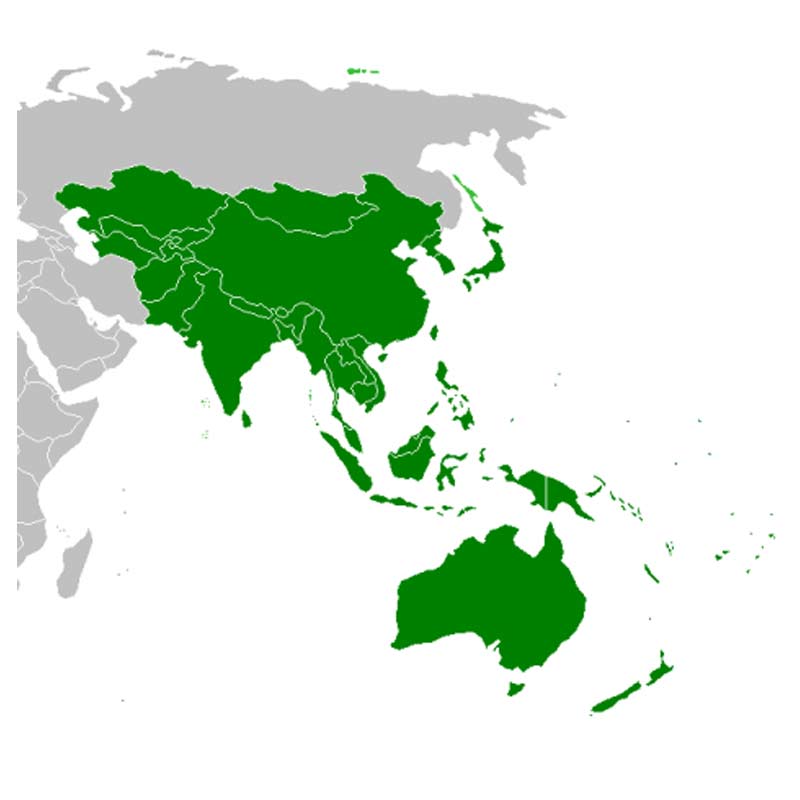
MUMBAI: APAC is expected to overtake the market share of Europe in future due to an increasing demand for digital TV set-up boxes in countries such as China and India. North America and Europe dominated the global CAS market in 2015. APAC region is estimated to mark a growth rate of 12.0 per cent CAGR during the forecast period 2016 to 2025.
As per market research by ‘the Insight Partners’, increased digital TV penetration in households coupled with rising internet users will boost the CAS market at a CAGR of 9.1 per cent.
North America is one of the key regions with the highest demand for CAS due to high adoption of internet services, followed by Europe. Developing countries in APAC and MEA are anticipated to experience significant adoption of CA systems, due to growing internet infrastructure and modernizing traditional TV services. Thus, North America and Europe dominated.
Conditional Access System (CAS) offers a secure platform to broadcast the digital content through subscription based plans. CAS has set new dimension to the end user viewership and also has set up new revenue opportunities to operators and others who broadcast digital content. Today, CA technology and services are sophisticated, and are more than ever mission-critical for a successful pay TV business venture. In a growing competitive environment, in order to attract customers, traditional pay TV operators have had to diversify their offering from the original idea of offering premium content, to pay per view (PPV).
The global conditional access systems market was estimated to be $ 2.32 billion in 2015, and is expected to reach $ 5.53 billion by 2025.
Internet services exhibits a tremendous global growth and creating plethora of opportunities for the CAS market in near future along with increasing number of subscribers. This would also help the CAS market to continue its growth despite of declining STB market. The demand for internet TV and videos for home entertainment would become the prime factor driving the CAS growth. Internet service providers are using CAS for secured content delivery to subscribers. Increasing demand for personalized services and applications such as Netflix, Voot, Hot Star, etc. will accelerate the demand for CAS going ahead.
Germany Conditional Access Systems market is expected to exhibit highest growth rate of 11.2 per cent during 2016 – 2025. This will outpace the growth rate of the U.K., thereby Germany leading the Europe CAS market by 2025.
Some of the key players profiled in the report are Nagravision SA, Verimatrix, Inc., Irdeto, Viacess-Orca, Cisco, Inc., Coretrust, Inc., Conax AS, China Digital TV, Wellav Technologies Ltd. and ARRIS International plc.