News Headline
Television reigns in rural India despite 79 pc OTT scope


MUMBAI: Television remains the dominant medium as far as the news, entertainment and advertising need in rural India is concerned although 79 per cent consumers (signifying crucial scope for OTT platforms) own a mobile, including those living in towns/villages inhabited by as low as 2,000-3000.
Market research firm Kantar IMRB has found that only 22 per cent of rural consumers who were surveyed read a magazine or a newspaper in the four weeks preceding the survey. And, only four per cent surveyed said they listened to the radio, Mint reported.
The penetration of mobile phones is the highest in southern and northern India at 80 per cent while it was 75 per cent in the west and 78 per cent in the east.

In its report ‘Star 2017,’ the firm said that it found that 59 per cent of all rural consumers polled watched television in the previous week before they were queried for the survey. The report showed scant use of personal computer or laptop in rural India.
These conclusions are in sync with BARC India data. As reported by Indiantelevision.com, according to BARC figures released in February 2017, the all-India TV universe has increased to 183 million from the earlier collated figure of 154 million with the growth in rural audience showing a quantum jump signifying that upswing is coming from non-urban areas.
The data highlights that while the total urban TV universe stood at 84,414 (in ‘000) in 2017, the comparative rural figure is 98,639 (in ‘000), signifying that the rural segment has grown at a faster rate, which opens up whole new marketing options for broadcasters and advertisers. The comparative old figures as per BARC estimates in 2015 were 77544,000 (urban) vs. 75967,000 (rural).
This data showed that, while the urban-rural audience mix was almost equal earlier, the rural segment has outpaced the urban as per latest figures in rate of growth. The data reiterates that since it started surveying the rural audience, a whole new world has opened up for subscribers of the data, which, incidentally, also include government organisations apart from the traditional TV channels and advertising agencies.
ALSO READ :
PKL rural telecast exceptionally propels Star Sports First to top
IPL net realisation up, digital ad revenue grew astronomically as compared to TV
Total TV universe up to 183 mn, rate of rural growth higher than urban: BARC survey







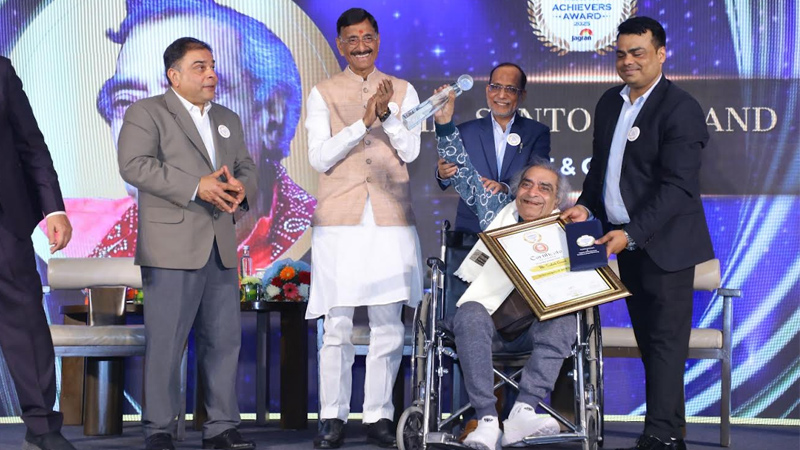
NEW DELHI: Hamdard Laboratories gathered a cross-section of India’s achievers in New Delhi on Friday, handing out the Hakeem Abdul Hameed Excellence Awards to figures who have left their mark across healthcare, education, sport, public service and the arts.
The ceremony, attended by minister of state for defence Sanjay Seth and senior officials from the ministry of Ayush, celebrated individuals whose work blends professional success with a sense of public purpose. It was as much a roll call of achievement as it was a reminder that influence is not measured only in profits or podiums, but in people reached and lives improved.
Among the headline awardees was Alakh Pandey, founder and chief executive of PhysicsWallah, recognised for turning affordable digital learning into a mass movement. On the sporting front, Arjuna Awardee and kabaddi player Sakshi Puniya was honoured for her contribution to the game and for pushing women’s participation onto bigger stages.
The cultural spotlight fell on veteran lyricist and poet Santosh Anand, whose songs have echoed across generations of Hindi cinema. At 97, Anand accepted the honour with characteristic humility, reflecting on a life shaped by perseverance and hope.
Healthcare honours spanned both modern and traditional systems. Manoj N. Nesari was recognised for strengthening Ayurveda’s place in national and global health frameworks. Padma shri Mohammed Abdul Waheed was honoured for his research-backed work in Unani medicine, while padma shri Mohsin Wali received recognition for his long-standing contribution to patient-centred care.
Education and social development also featured prominently. Padma shri Zahir Ishaq Kazi was honoured for decades of work in education, while former Meghalaya superintendent of Police T. C. Chacko was recognised for public service. Goonj founder Anshu Gupta received an award for his dignity-centred rural development initiatives, and the Hunar Shakti Foundation was honoured for empowering women and young girls through skill development.
The Lifetime Achievement Award went to former IAS officer Shailaja Chandra for her long career in public healthcare and governance, particularly in the traditional systems under Ayush.
Speaking at the event, Hamdard chairman Abdul Majeed said the awards were a tribute to those who combine excellence with empathy. “These awardees reflect Hakeem Sahib’s belief that healthcare, education and public service must ultimately serve humanity,” he said.
Minister Seth struck a forward-looking note, saying India’s young population gives the country a unique opportunity to become a global destination for learning, health and wellness by 2047.
The ceremony also featured the trailer launch of Unani Ki Kahaani, an upcoming documentary starring actor Jim Sarbh, set to premiere on Discovery on 11 February.
Instituted in memory of Unani scholar and educationist Hakeem Abdul Hameed, the awards have grown into a national platform that celebrates those building a more inclusive and resilient India. For one evening at least, the spotlight was not just on success, but on service with substance.