MAM
ASCI dismisses HUL plaint against two Emami products

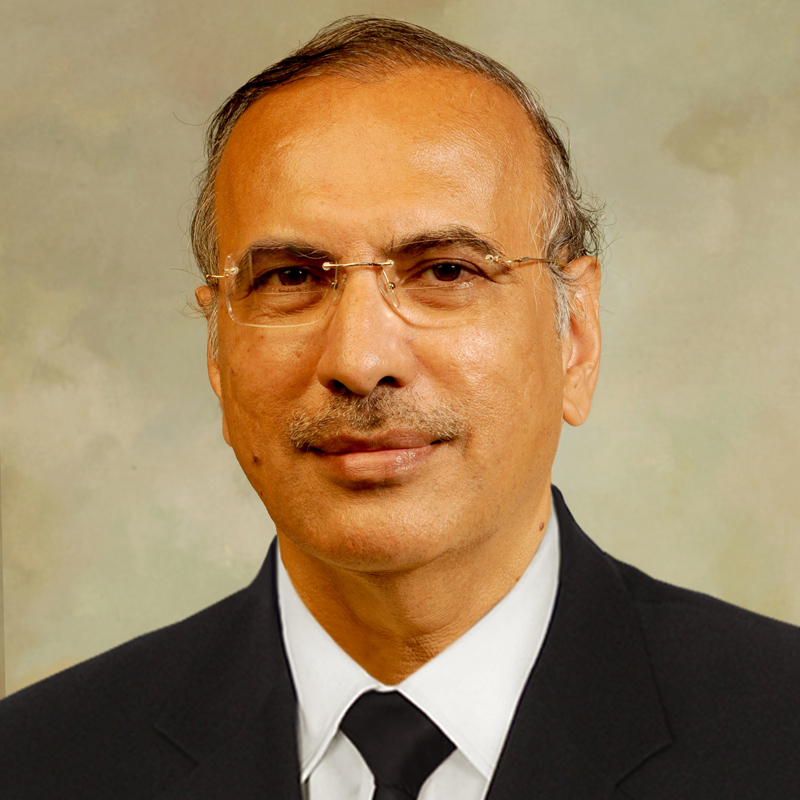
MUMBAI: The Independent Review Committee (IRC) of The Advertising Standard Council of India (ASCI), chaired by Justice Mohit Shah (retired), has summarily dismissed two complaints filed by HUL against Emami Limited’s Fair and Handsome Instant Fairness Facewashes over the last six months.
The complaints filed by HUL with ASCI against the two face wash brands of Fair and Handsome, was reviewed by Justice Shah at a meeting attended by teams from Emami and HUL. He went at length to look at the merit of every point raised, before arriving at his recommendations.
One model of the brand was contested on the language used, “Instant Fairness Face Wash”, apart from raising seven more objections on the brand. Rigourous clinical study reports, consumer evidence and research studies were presented to prove how the face wash delivers, which was accepted by the chairperson.

In the second case, HUL had raised objection to the language, “100% Oil Clear Instant Fairness Face Wash”, contesting that this was misleading, while the clarification was “clearing excess oil up to 100%” which was clearly mentioned on the pack. Post all the submissions, Justice Shah commented that, “I find substance in the submission made by the advertiser that the claim, “100% Oil Clear” is to be understood as “100% excessive oil clear”. The findings in the clinical study as well as the consumer study support this claim.”
HUL had raised 11 more objections on the 100% Oil Clear Instant Fairness Face Wash, all of which were conclusively proven through clinical studies, consumer studies and reports by leading market research agencies, leading to dismissal of all 18 objections on both products.
In another recent instance, ASCI had dismissed the disparagement case filed by HUL against Fair and Handsome Fairness Cream.
HUL had filed a complaint with ASCI on the brand’s recent TVC, where the complainant had claimed that the advertisement disparaged HUL’s product – Fair & Lovely Fairness Cream. The Fast Track Complaints Panel (FTCP), after viewing the TVC, product packaging and noting Emami’s response, were of the view, “There are many aspects of dissimilarities between the product shown in the TVC and the complainant’s product.” Hence, the complaint was not upheld.






Digital
India leads global adoption of ChatGPT Images 2.0 in first week
From anime avatars to fantasy covers, users turn AI visuals into culture

NEW DELHI: India has emerged as the largest user base for ChatGPT Images 2.0, just a week after its launch by OpenAI, underlining the country’s growing influence on global internet trends.
While the tool was introduced as an advanced image-generation upgrade within ChatGPT, Indian users are quickly reshaping its purpose. Instead of sticking to productivity-led use cases, many are embracing it as a creative playground for self-expression, storytelling and online identity.
From anime-style portraits and cinematic headshots to tarot-inspired visuals and fictional newspaper front pages, the model is being used to create highly stylised, shareable content. Features such as accurate text rendering, multilingual prompts and the ability to generate detailed visuals with minimal input have helped drive rapid adoption.
What sets the latest model apart is its ability to “think” through prompts, generating multiple outputs and adapting to context, including real-time web inputs. But the bigger story lies in how users are engaging with it.
In India, trends are already taking shape. Popular formats include dramatic studio-style lighting edits, LinkedIn-ready headshots, manga-inspired avatars, soft pastel “spring” aesthetics, AI-led fashion moodboards, paparazzi-style visuals and fantasy newspaper covers. Users are also restoring old photographs, creating tarot-style imagery and experimenting with futuristic design concepts.
Local flavour is adding another layer. Prompts such as cinematic portrait collages and Y2K-inspired romantic edits are gaining traction, blending global aesthetics with distinctly Indian internet culture.
The surge reflects a broader shift in how AI tools are being used in the country, moving beyond utility to creativity. As younger users, creators and social media enthusiasts experiment with new visual formats, AI-generated imagery is increasingly becoming part of everyday digital expression.
If early trends hold, ChatGPT Images 2.0 may not just be a tech upgrade but a cultural moment, giving millions a new visual language to play with online.