MAM
Forging a sustainable path: Multifaceted efforts in renewable energy, carbon offsetting, and impact reporting


India’s energy needs are growing, and the country is committed to a sustainable future of energy with green hydrogen gaining attention as an option for meeting diverse energy requirements while reducing its carbon footprint. The National Green Hydrogen Mission, which aims at making India a global hub for green hydrogen production, use and export by 2030, has been initiated by the government of India. This ambitious initiative has significant implications for the country’s energy landscape, and it is crucial to understand the roles and strategies of various stakeholders in driving this transition.
State governments take the lead: Developing regional green hydrogen hubs
The emphasis on subnational roles and strategies is one of the major elements of the Green Hydrogen Mission. The development of regional Green Hydrogen Hubs is expected to have a significant role to play by state and local authorities. These hubs will serve as centers of excellence, fostering innovation, research, and development in the field of Green Hydrogen. By leveraging their unique strengths and resources, states can create a conducive ecosystem for the production, storage, and distribution of Green Hydrogen.

Private sector initiatives: Driving the adoption of green hydrogen
In the success of the Green Hydrogen Mission, the private sector also has a key role to play. Ways to integrate green hydrogen into their operations are being explored by companies in different sectors, such as power generation and mobility. A key factor in its uptake will be the availability of affordable and reliable green hydrogen. Investments in research and development, as well as the creation of a robust supply chain, will be essential to bring down the costs and ensure the scalability of Green Hydrogen projects.
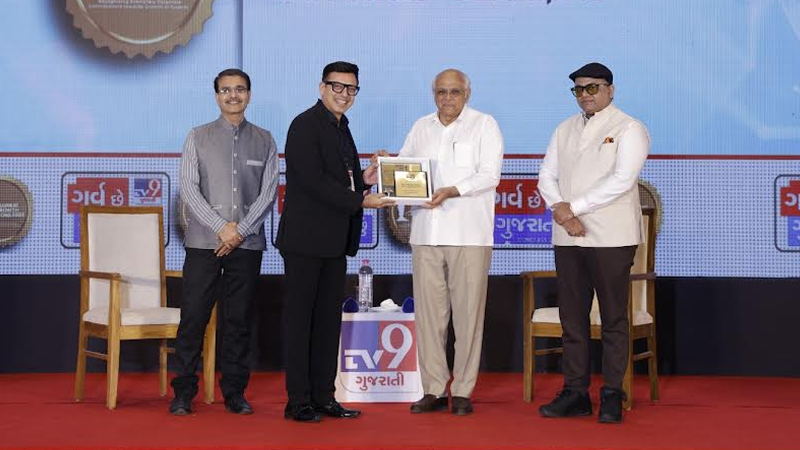
Advait Infratech is one of the companies that has shown a high level of profitability in the green energy sector. The company reported a 139.10% year-over-year increase in Profit After Tax (PAT) for the quarter ended March 2024. In addition to this, Advait also won the SECI Electrolyser Manufacturing Tranche I bid and was awarded 100 MW earlier this trade. The potential for growth in the energy sector, as well as opportunities available to businesses that are capable of adapting to green energy markets, is highlighted by the strong financial results.
Addressing the challenges: A collaborative approach
The challenges and obstacles which might emerge must be addressed in the course of India’s journey towards a green hydrogen future. The availability of skilled labour is one of the main challenges. In order to make sure that workers have the right knowledge and skills for working with this new technology, a substantial investment in education and training will be required as part of the Green Hydrogen Mission. In order to develop the necessary talent pool, collaboration between industry, academia and government will be crucial.
A supportive policy framework: Key to success
The need for a supportive policy and legal framework is also one of the challenges. However, a coherent national policy providing clarity on issues like pricing, taxation and incentives will be important for attracting investment and driving the adoption of green hydrogen, although many countries have put in place policies to encourage Green Hydrogen. The government should also consider introducing measures to incentivize the use of Green Hydrogen in various sectors, such as transportation and industrial processes.
Conclusion: A sustainable future for India
An important opportunity for India to move towards a sustainable energy future lies in the National Green Hydrogen Mission. India can build a thriving green hydrogen ecosystem that will drive innovation, generate jobs and reduce carbon emissions through the synergies of state governments, private industry and workers. But addressing the challenges and obstacles that may arise, as well as working on a collaborative and coordinated approach involving all interested parties is crucial to achieving this vision. India can become a global leader in the green hydrogen revolution with proper strategies and investments, setting an example for other countries to follow.
The article has been authored by Advait Infratech Ltd head – sustainability business Avantika Gupta.




Brands
Aptronix unveils ‘Big & Beyond’ campaign, opens largest store in Hyderabad
Naga Chaitanya, Sobhita front push as retailer expands premium Apple experience
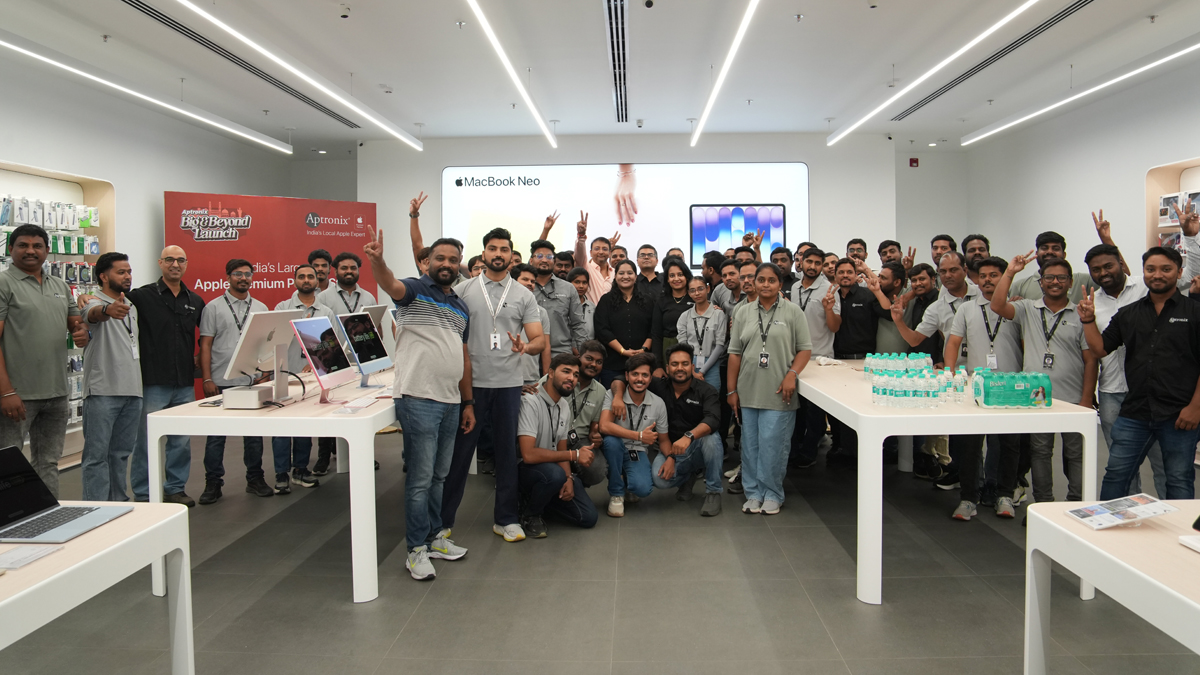
HYDERABAD: Aptronix has rolled out its most ambitious brand push yet with the launch of the ‘Big & Beyond Aptronix’ campaign, alongside the opening of its largest retail store in India.
The campaign features actors Akkineni Naga Chaitanya and Sobhita Dhulipala as brand faces, signalling a sharper focus on aspirational, experience-led retail as the company scales its presence in the premium Apple ecosystem.
At the centre of the rollout is a new 8,000 sq. ft. flagship outlet at Sarath City Capital Mall, now the largest Aptronix store in the country and among the biggest Apple Premium Reseller formats in India. The space is designed to offer immersive product discovery, personalised guidance and integrated service support, positioning the store as more than just a point of sale.
The campaign itself leans into themes of scale, ambition and accessibility, aiming to connect with a younger, increasingly design-conscious generation of Apple users. By pairing celebrity appeal with in-store experience, Aptronix is looking to deepen emotional engagement while reinforcing its premium positioning.
A key pillar remains its ‘Limitless Aptronix Exchange’ programme, which offers customers simplified upgrade paths, transparent pricing and wider access to Apple devices. The initiative has been central to driving adoption by making high-end technology more approachable for a broader audience.
Premium Lifestyle and Fashion founder & owner Sutinder Singh said the new store reflects a long-held belief that Indian consumers should have access to the best Apple retail experience without compromise. He added that the campaign’s celebrity faces mirror the brand’s core values of elegance, ambition and confidence.
Aptronix CEO Meghna Singh said the ‘Big & Beyond’ theme reflects how the company operates, with a focus on building a best-in-class retail experience. She noted that the Hyderabad launch and the campaign together signal Aptronix’s intent to set new benchmarks in the category.
With this dual push of scale and storytelling, Aptronix is not just expanding its footprint but also redefining how premium tech retail is experienced in India.