Brands
Oyo becomes RCB’s sponsor till Dec 2018

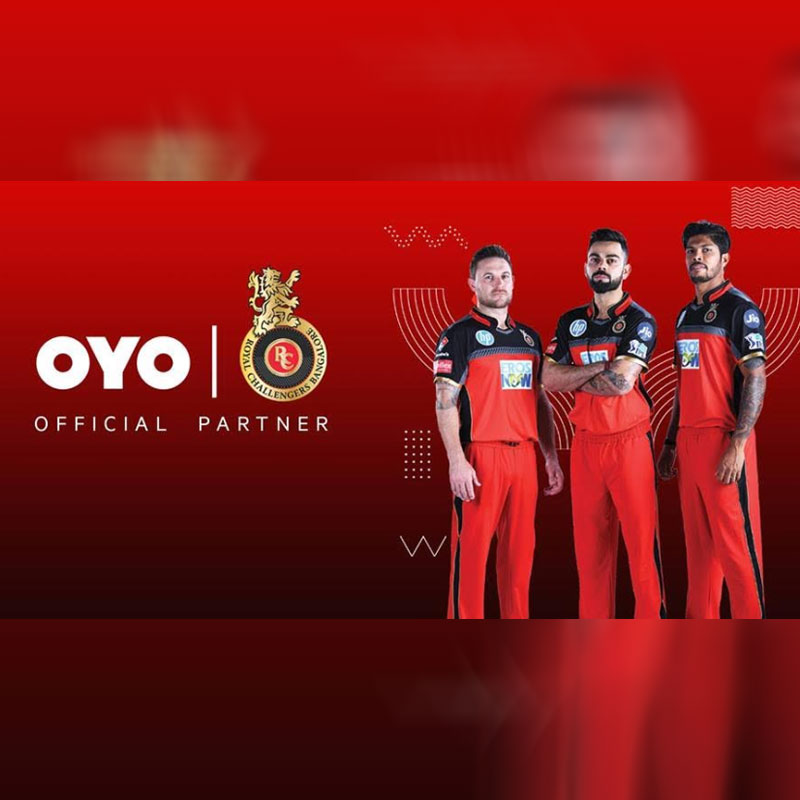
MUMBAI: Oyo, India’s largest hospitality company, has inked its first team sponsorship with Royal Challengers Bangalore for this season of cricket’s magnum opus, T20. With this deal, Oyo becomes one of RCB’s direct sponsors until December 2018 and brings an exceptional opportunity to its customers from across Bengaluru to engage more with their beloved team.
Oyo aims to go big on fulfilling Bengaluru’s massive appetite for T20, satiating the sports frenzy among loyal referral customers, by giving away free tickets to RCB matches and hosting screenings across Bengaluru and other cities.
This partnership brings unique benefits to Oyo’s loyal customer base wherein select cricket enthusiasts will receive VIP tickets to RCB matches. The company has already given out 104 normal and VIP tickets for these matches and 10 more are up for grabs for the customers. Furthermore, OYO is celebrating the RCB relationship by painting nation happy and gleefully red – signage and banners of the OYO-RCB partnership can be seen on various Oyo hotels across the city. For customers not watching the match at the stadium, special match screenings and F&B packages are being arranged across hotels in the city – MG Road, Indiranagar, Koramangala, Electronic City and Shanthi Nagar. Similar screenings are being held in Delhi, Mumbai, Gurugram, Kolkata and Agra. With the reach and mindshare captured during the T20 season, the partnership is sure to yield great results in the days to come and expand Oyo’s reach to the right audience and further brand ties.
Oyo chief strategy officer Maninder Gulati says, “Oyo is an urban innovator driven by commitment and passion and continues to create beautiful living spaces as its mission. It is a matter of great satisfaction for us to find a brand that shares the same ethos and energy as ours. RCB is a strong team with consistent performance and we believe this association will help our brand reach more discerning customers in every nook and corner of the country through T20.”
Royal Challengers Bangalore chairman Amrit Thomas adds, “The partnership finds Oyo in perfect brand synergy with the team RCB, which is led by young skipper, Virat Kohli. Oyo is a brand that appeals and connects with the youth with diverse offerings, including Oyo Townhouse, Oyo Home, Oyo Rooms and Oyo SilverKey, and we are delighted to welcome Oyo on board as our sponsor.”
Oyo is India’s largest hospitality company operating in more than 150 cities across India, Malaysia and Nepal. With over 75,000 exclusive rooms in its network, Oyo works in close proximity with its hotel partners while exercising full control over the hotels for ensuring a quality experience for travellers. Its network includes major metros, regional business hubs, top leisure destinations as well as pilgrimage towns.
The company is backed by leading investors, including the SoftBank Group, Greenoak Capital, Sequoia India, Lightspeed India, Hero Enterprise and China Lodging Group.