MAM
Communication more important than advertising: The Store WPP, David Roth

MUMBAI: Local is the way forward. India is at an interesting cusp right now where we see a lot of homegrown brands stealing the thunder of MNCs. The Indian retail industry is witnessing rapid transformation with new technology driving businesses and changing shopper behaviour.
Indian brands get local nuances right which is the key to great marketing and brand building exercise. Interestingly, in the recent BrandZ report by WPP and Kantar Millward Brown, the top 10 brands are all Indian homegrown companies. The list saw HDFC Bank, LIC, Tata Consultancy, Airtel, State Bank of India, Maruti Suzuki, Kotak Mahindra Bank, Asian Paints, ICICI Bank, Reliance Jio, Flipkart and Paytm make it in the top 10, the first time ever.
It speaks volumes about Indian brands’ credibility, the modern Indian shopper’s behaviour and choices. New technologies are dramatically re-shaping the marketing, entertainment and retail industries. With data-infused in everything, the boundaries between content and commerce continue to blur.
The Store WPP CEO EMEA and Asia David Roth is known as a man whose love for marketing is evident in every statement he makes. Roth loves India, Indian brands, the local retail sector here and is optimistic about the growth in the country.
The Store is WPP’s global retail practice. With offices in London and Chicago, the company shares best practice in retail across WPP’s group companies to facilitate leading-edge thinking and deliver extra value that supports client initiatives.
As a knowledge hub, The Store draws insights from the group’s unparalleled understanding of consumers, retailing, brands, technology and shopper marketing. The Store interprets learnings and insights to a broad audience inside and outside of WPP in the form of conferences, articles, webinars, guest lectures at universities and digital content.
Indiantelevision.com caught up with David Roth where he spoke to us about industry challenges, increasing brand loyalty for Indian brands, way forward for e-commerce and more.
Excerpts:
What are brands and agencies focusing on right now?
I think they are spending more time understanding the consumer better and understanding the consumer journey, from awareness to purchase. They are working out where along that consumer journey is the best place to communicate with them and to give them new information. Brands and agencies are working very hard on innovating in a useful way for the customers.
If we see the recent BrandZ report, HDFC bank retained its pole position for the fifth consecutive year but we haven’t seen too much advertising activity from the brand. Isn’t advertising equally important along with creating brand loyalty and being innovative?
Advertising is clearly important but communication is exceptionally important. There are ways in which brands can now communicate with customers and potential customers as well. The combination of communicating with customers on a one-to-one basis along with brand building communication is the best and cost-effective way to build stronger brands.
What are the things that e-commerce players in India should focus on right now to get more customers on board?
The market currently is a land grab where it is exceptionally hard to get the customer attention and get them to try your products once or twice. For e-commerce companies, most of the effort needs to go in increasing the level of trials and it is equally important to have a promise of providing a seamless experience and a good physical delivery experience. E-commerce platforms have growth opportunity in India and it will only occur if the actual proposition and what they promise to the customers is delivered in reality. The most important metrics for me are acquisition, the cost of acquisition and the per cent of customers they acquire who become their loyal customers.
What are the challenges in the retail industry globally and do you see a growth in the business going forward? Will retail continue to flourish or will we see fewer stores?
Retail is a very challenging business globally at the moment because of the fundamental economic model of retailers that are coming under pressure due to the cost of space. The real estate prices are soaring high around the world and that is not being offset by their ability to raise prices and contain their cost. In addition, they have to invest heavily in new technologies, e-commerce, delivery and that puts a big cost on their structure. However, I believe that physical retail stores are going to stay in the future. I think there will be fewer stores but those stores will be better focused on customer experience.
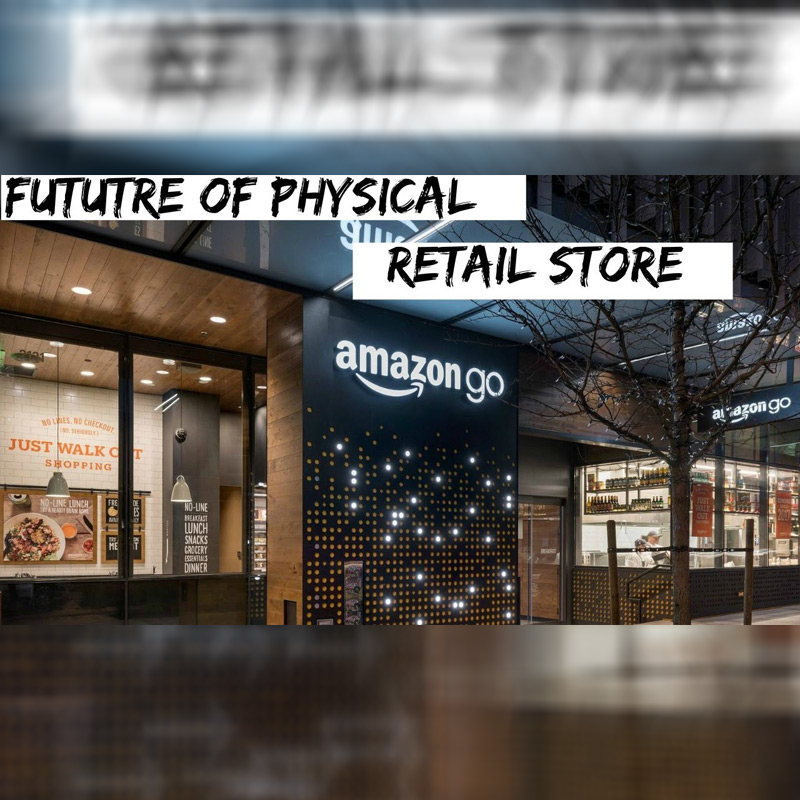
What’s interesting is that Amazon also has its own store now and other Indian e-commerce players have also started opening brick and mortar outlets…
Amazon, Alibaba and other major e-commerce platforms are all opening up physical stores. This shows the importance of having a mix of both physical stores and virtual shopping in the future, especially grocery stores. In India, the strength of grocery stores is far too much as compared to other parts of the world. It will take a lot for e-commerce to displace them, especially as they deliver most of the e-commerce benefits such as personalised service, fast delivery and they also have an added advantage of giving customer credit.
Everyone talks about how the millennial consumer is fickle about their buying options. How can brands woo this new generation of consumers?
I don’t think the millennial consumers are fickle. I think they know what they want and they are much more prepared to try things. If somebody comes with a new idea, product or innovation in the market, they are much more likely to try it. The millennial consumers are slightly less loyal though because of that, but they value brands and they buy into brands. It is just that they are more difficult to reach but once you reach them, and once they have tried your products, you have every opportunity to make them loyal customers.
Recently, we are seeing an emergence of homegrown Indian brands. Is the Indian audience finally willing to accept and believe in homegrown companies?
It all comes down to a strong consumer proposition and really understanding who the customer is and then being very fast and agile. We are seeing that local brands have the ability to do that quickly and swiftly and that is a distinct advantage when consumers are more fickle about what they choose.
What are some of the key industry problems according to you and how can they overcome them?
The foremost challenge for the industry is the fast-changing consumer and to anticipate those changes. The second challenge is that all companies need to start acting like startups and be agile, quick moving. The third challenge is that consumers are available across different mediums and you just have to find the right mix while creating tailor-made communication for the consumers.
While everyone talks about video being the way forward and how ADEX is shifting towards creating more digital ads, the truth remains that it’s annoying after a point of time. Facebook and Youtube now also have pre-rolled ads that you can’t skip and that’s why we are getting “ad-blocked”. How can the industry skip being ad blocked?
I think brands have to be very good at communication and it all comes down to that. The advertising needs to be timely, appropriate and relevant. We as brand custodians, have a duty to make sure that we are reaching customers in ways that they don’t find it annoying. The more we bombard them with unnecessary ads, the more likely they are to click the skip button and install ad blockers. The ad industry owes it to itself to make sure that we act appropriately and not be ad-blocked by our acts.