iWorld
OTT players, cable ops find harmony in integration

MUMBAI: Studies have shown that as far as India is concerned, nothing is going to dethrone TV’s position for a while. But the OTT boom is undeniable. Even TV broadcasters want to have their cake and eat it too by setting up their own video on demand services. Although cord-cutting is not as prevalent in India as developed markets, it is certain that viewing habit of consumers has already started changing. Cable TV (http://www.indiantelevision.com/iworld/broadband/cable-tv-dth-players-cautiously-optimistic-on-jio-fiber-competition-180706 ) operators are most vulnerable to the major shift in the near-term while DTH players are also under pressure to come up with new strategies.
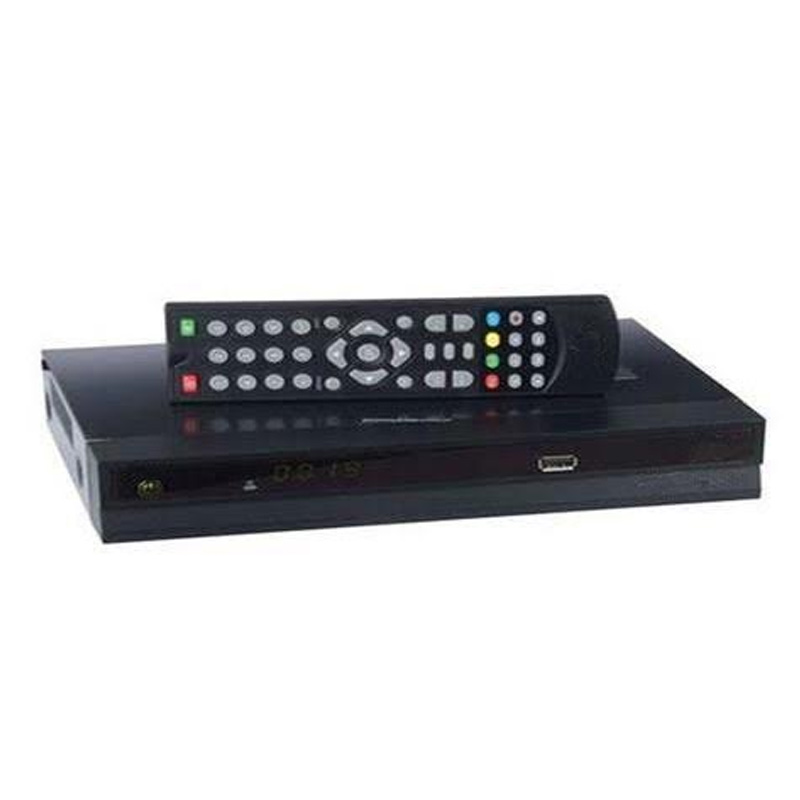
Recently, Hathway took a step to bridge the gap between TV and OTT by landing a deal with streaming giant Netflix. Hathway is more vulnerable to the change due to its urban-centric business. Another large operator Siti Networks announced its first hybrid set-top box that has YouTube and YouTube Kids in-built. However, this is not about only cable operators, OTT players also have high chances to reap the benefit of it.
“Traditional cable players are already penetrated very deep, with 90-100 million TV households and broadband customers too. That is a huge customer base for OTT platforms to leverage. It’s a win-win situation: the OTT (http://www.indiantelevision.com/iworld/over-the-top-services/higher-production-values-of-ott-content-wont-put-pressure-on-tv-biz-punit-goenka-180814 platform gets access to the customer base while the cable company can increase subscription ARPUs,” Ernst & Young media and entertainment advisory services partner Ashish Pherwani commented.
Netflix, the US streaming giant is trying to beef up its business in India very soon. With deep pockets, it wants to make a premium content library. But as the platform has high pricing and still does not have a considerable amount of regional content, it’s not easy for it to acquire customers here.
KMPG India media and entertainment partner and head Girish Menon said it’s definitely a starting point for cable operators to be able to offer OTT content. With the rapid growth of mobile internet, linear TV may be under threat at least for certain situations. According to him, by offering OTT platforms, these cable operators are protecting their business from digital.
“The biggest challenge for any OTT platform is physical distribution and customer acquisition. So by a deal with Hathway, Netflix is actually taking them into many more households than they are currently able to access on a direct basis. It partially helps them with both distribution and acquisition challenges,” Menon commented.
A study by Parks Associates said approximately 33 per cent of cord cutters in the US would have stayed with their service provider if offered a Netflix-style service bundled with broadcast TV channels. In the US, where the cord-cutting started first, viewers love to get both experiences at the same time. As traditional TV still remains the primary screen in India, these integrations can definitely help cable operators to reduce churn and increase stickiness.
On the contrary, Dolat Capital VP research Karan Taurani thinks the deal won’t help Netflix to acquire customers as the service is not bundled and will cost the same amount of money. According to him, Netflix is much easier on Chromecast.
“It may help Hathway in some way if they tie up with four to five VoD platforms rather than just one; further, they will also have to provide the set top box with VoD access at a minimal price in line with the price of a Chromecast device which gives access to any VoD platform,” he added. However, the new set top box with a special button on remote for Netflix has been priced at Rs 2999.
Talking about the benefits of the deals, Menon mentioned another vital point. As most of the cable companies also have broadband businesses, the alliance between cable and OTT players can lead to the broadband growth of the cable companies. Moreover, for cable companies, broadband operates at a much higher margin than traditional cable business.
It seems as if even broadcasters are growing alert to the potential danger in OTT unless you make them your friend. Recently Zee Enterprises Entertainment Ltd entered into a content deal with Airtel after breaking up with Jio while ALTBalaji partnered Xiaomi with Mi TV. Eros Now, the OTT platform from Eros International, struck a deal with FashionTV.
It is very certain that the industry is about to see more partnerships along the same line. Even DTH players have also struck few deals with OTT players. Acknowledging it as an upcoming trend, Pherwani commented that every OTT platform is trying to maximise its reach.
“I think you will see more and more such partnerships and this is not just in cable, even in DTH. The reason behind it is that to a certain extent they are preparing for a future. Because the FTTH broadband roll out front that Reliance has announced makes it a significant player that could actually impact the distribution business of cable and DTH players. So the partnerships are a protection,” Menon commented.
Large players like Hathway, Siti Networks, Den Networks will find it easy to invest more in the technological update and remain relevant. But small MSOs with lesser investment, cash flow will not be able to survive in the thriving competition. Hence, the cable industry is definitely going to witness a number of consolidations. The DTH and telecom industries have already realised that they need to merge if they want to sustain their businesses.
Going forward, we will see more partnerships and deals between traditional TV and modern OTT.