iWorld
Let’s Get LOUDER celebrates World Music Day with new anthem ‘Hum Saare Ek Hain’


Mumbai: In honour of World Music Day, Let’s Get LOUDER proudly announces the release of its latest song, ‘Hum Saare EK Hain’, an anthem celebrating unity and diversity. This ground-breaking track brings together 21 talented singers, including mainstream stars like Shilpa Rao, Nikhita Gandhi, Ankit Tiwari, Ash King, Harshdeep Kaur and Swaroop Khan, along with various folk and rap artists from across the country, creating a musical masterpiece that transcends boundaries and languages.
Predominantly sung in Hindi, ‘Hum Saare EK Hain’ features a unique line in several regional languages such as Bengali, Gujarati, Assamese, Marathi, and more, each echoing the collective spirit of being ‘One’. The creative inclusion highlights the cultural richness of India and reinforces the song’s central theme of unity.
Let’s Get LOUDER’s COO Rajitta Hemwaani expressed, “At Let’s Get LOUDER, we endeavour to push the envelope a little more each time and create clutter-breaking sounds and collaborations. ‘Hum Saare EK Hain’, bringing numerous singers and musicians together, is the best example of our current and future musical offerings.”

Let’s Get LOUDER is dedicated to pushing the boundaries of music and creating platforms for diverse voices, aiming to develop and experiment to reach young and global listeners. With the latest initiative, ‘Hum Saare EK Hain’, the music vertical continues its mission of bringing together artists from different genres and regions. By featuring a wide array of styles and cultural influences, it strives to prove that music is a universal language that transcends boundaries and connects people across the globe.
Through ‘Hum Saare EK Hain’, Let’s Get LOUDER reinforces its role as a pioneering force in the music industry, fostering creativity and inclusivity in every beat. Composed by Abhijit Vaghani with poignant lyrics by Bhrigu Parashar, the song celebrates the diversity of India on World Music Day as we salute the spirit of togetherness, weaving a beautiful tapestry of rhythm and melodies.




iWorld
OpenAI hits back at Elon Musk’s lawsuit ahead of trial
Company calls claims “baseless” and accuses Musk of trying to disrupt a rival.
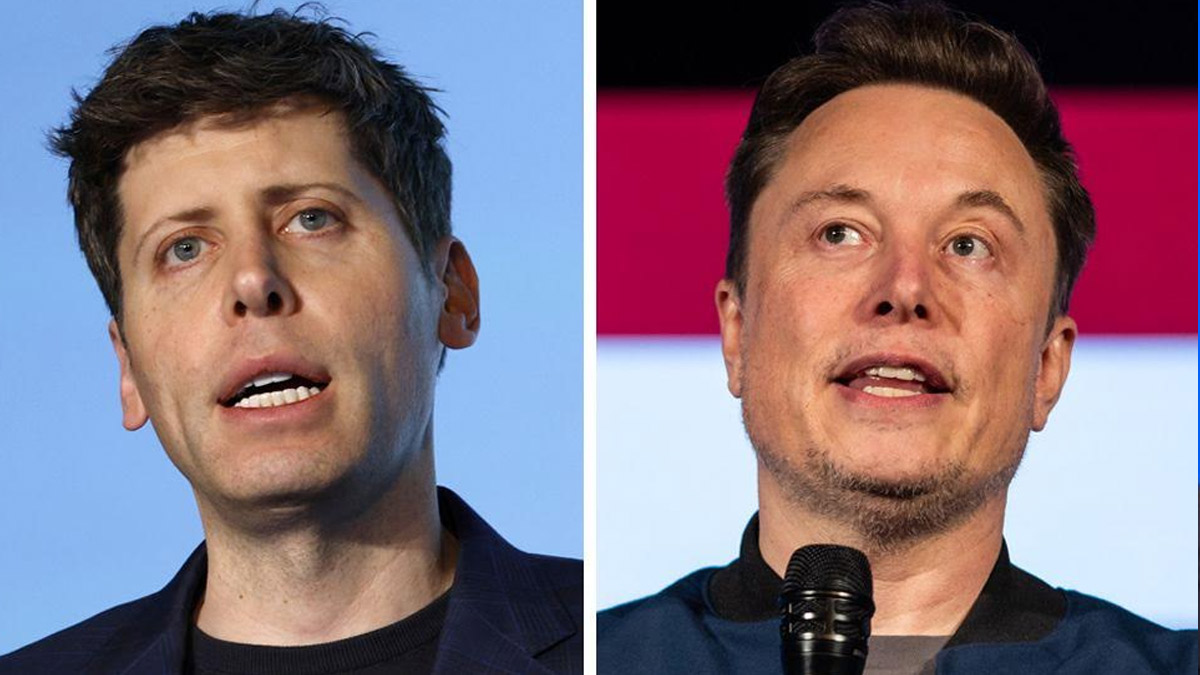
MUMBAI: When the stakes are measured in billions and egos are involved, even Silicon Valley titans can turn a courtroom into a battlefield. OpenAI has issued a sharp public response to Elon Musk’s ongoing lawsuit, accusing the billionaire of filing the case to harass a competitor rather than address genuine concerns. In a strongly worded statement shared on its official X account, OpenAI described Musk’s allegations as “baseless” and suggested the lawsuit is an attempt to disrupt the company as the case heads toward trial later this month in Oakland, California.
The response comes after Musk’s legal team recently amended the complaint, proposing that any damages potentially exceeding $150 billion should go to OpenAI’s nonprofit entity rather than to Musk personally. OpenAI questioned the timing and motive behind this change, calling it a late-stage attempt to “pretend to change his tune” on the nonprofit structure.
The company further labelled the lawsuit a “harassment campaign”, arguing that Musk’s actions are driven by personal rivalry, ego, and a desire for greater control and financial upside.
At the heart of the dispute is Musk’s claim that OpenAI has abandoned its original nonprofit mission of developing artificial intelligence for the benefit of humanity. A co-founder who left in 2018, Musk is seeking governance changes, including the removal of CEO Sam Altman from the nonprofit board, and the return of certain financial gains linked to Altman and President Greg Brockman.
OpenAI has firmly rejected these allegations, maintaining that its current hybrid structure, a public-benefit corporation overseen by a nonprofit parent remains true to its long-term goals. The company has also previously accused Musk of anti-competitive behaviour aimed at weakening its leadership.
As the case prepares for a jury trial, this public exchange highlights the deepening rift between two of the most influential figures in the AI revolution and raises broader questions about governance, mission, and power in the fast-moving world of artificial intelligence.
In the high-stakes game of AI, it seems the real drama isn’t just inside the models, it’s playing out in courtrooms too.






