Brands
75% Indians trust tech companies with their personal data

MUMBAI: The million dollar question today for any brand or company is ‘How can you decipher your customer?’ In its second edition of Me, My Life, My Wallet, KPMG explored the multidimensional customer, what truly drives behaviour and choices and how this is set to change as the customers of tomorrow emerge.
The research explores the 5 Mys – my motivation, my attention, my connection, my watch and my wallet. It is the way in which the organisation’s clients should be viewing its customers.
Indians, it seems, give away data to get a better experience while respondents of most of the developed countries aren’t really interested to trade data about themselves. 75 per cent of the consumers trust the technology companies for the data whereas they don’t trust the government (51 per cent) which is a high figure compared to the global average (37 per cent).
87 per cent people would trade their personal data to a company for better customer experience and personalisation, better products and services and better security. The attention of 58 per cent people is grabbed by brands that offer deals or discounts on social media.
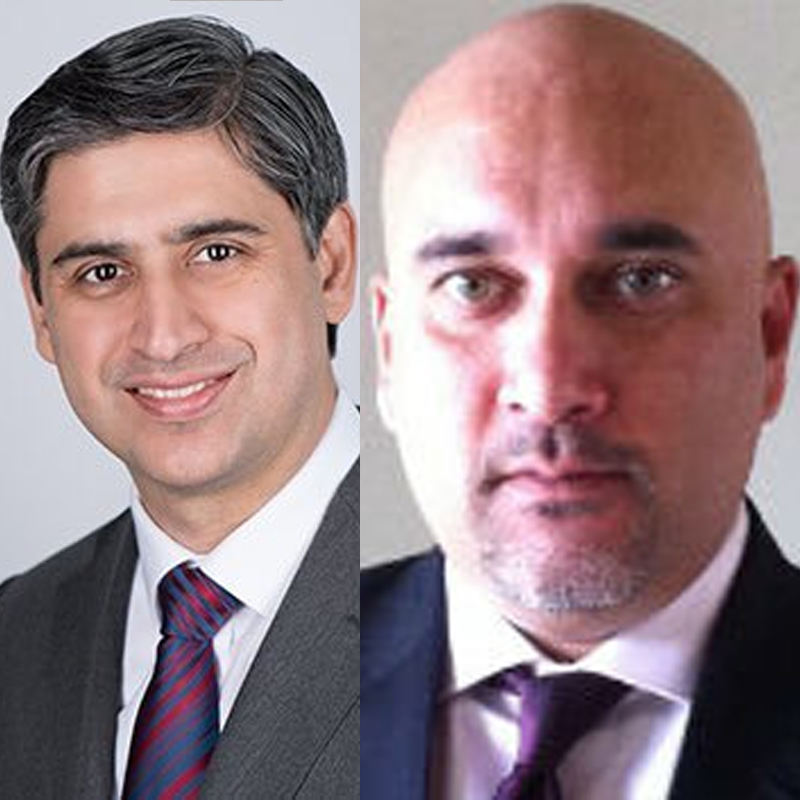
KPMG in India partner and head, consumer markets Harsha Razdan said, “Consumers are anxious, with younger generations feeling it the most. They like new technology but are concerned about handing over personal data, and what that could mean for their privacy and security. Our research demonstrates that organisations should be aware of the heightened awareness people have about the value of their data; they want to feel that they are in control at every stage of the business relationship.”
Among the sectors seeing the toughest competition is digital entertainment, with more than 20 players vying for attention. Telecom provider Reliance Jio, with its global and local tie-ups, has changed the way in which the populace uses its phones. Local players with rights to Hindi blockbusters and IPL cricket tournament that transfixes the nation's attention in April and May are going up against Netflix and other major video streaming services.
There are many other sectors where services have yet to scratch the surface of the vast potential, such as healthcare and education. Globally, 66 per cent of consumers are keen on technology. The interest in technology leaps in the fast-growing economies of China (81 per cent), and India (83 per cent). 47 per cent of the consumers in India are anxious about unauthorised tracking of their online habits by companies, governments and criminals.
“With digital services moving from the big cities into India’s heartland, the type of growth that we will witness will change. The consumer in a second-tier city will be very different to the one in Mumbai and the rural consumer is different again. This makes the Indian market yet more complex,” said KPMG in India partner and head, customer and channel, management consulting Abhijeet Ranade.
When the wallet comes into picture, 24 per cent indicated that advertising influences their buying/spending decisions, which is the highest out of all eight markets.
“Many companies haven’t yet fully grasped the concerns consumers have about sharing their data, or how this could affect consumer loyalty. Yet more and more businesses are looking to monetise the data they hold – whether that’s what we put in our shopping basket, how many times a week we exercise, or what we choose to watch. Consumers are more aware of the value of their data, and businesses need to be responding to this new, tech-driven, data-savvy type of customer,” Razdan added.
The research across eight global markets provides an in-depth look at the STEP (social, technological, economic and political) events influencing consumers of today and tomorrow. The survey included nearly 25,000 consumers across Brazil, Canada, China, France, India, the UAE, The UK and the US. Out of the 25,000 consumers, 3000 participated in India between the age group of 25-40.
KPMG in India chairman and CEO Arun M Kumar said, “The Indian consumer is difficult to understand, and as the online revolution progresses beyond the big cities and starts gaining momentum in the country’s heartland, they are getting more complicated still. The rewards for companies who take time to learn, though, are substantial.”
The research focused on six key themes of critical importance to organisations and institutions around the world, namely; trust, data, wealth and retirement, generational surfing, the customer of the future and the B2B customer.
Ranade said, “The idea and concept that the physical world will get replaced completely by the digital channel, that’s not happening and it’s not happening for quite some time.”