iWorld
Facebook Watch garners 400mn monthly users


MUMBAI: Three months since the global launch of Facebook Watch, there are already already more than 400 million people monthly and 75 million people daily who spend at least one minute, revealed head of video at Facebook Fidji Simo.
In a blog post looking back at 2018 and looking ahead to 2019, Simo described 2018 as “a big year” for Facebook Watch. “Watch launched to every country around the world, the platform opened to videos from all Pages, and we debuted dozens of Facebook Originals,” he said, adding that Watch also screened live LaLiga football matches in the Indian subcontinent.
According to Simo, on average, these 75 million daily visitors spend more than 20 minutes in Watch. “We’re seeing that people are regularly coming back to catch up on the videos they care about and watching for longer periods of time. In this post, we’re sharing more details on our video strategy and a range of new updates for Watch,” he revealed.

He added that there is a range of video offering available, but Watch is more than just library of videos where people can follow video creators they care about, start conversations about videos with friends, and build communities of fans who share their interests.
As per the reports, Simo said that Facebook was focused on bringing more social experiences to Watch, making it easier to find and watch videos together with friends. “We’re also working to unify the video experience across Facebook. Right now, people can find videos on Facebook in a number of different places — Watch, News Feed, Search, Pages and more — and all of these can feel different. Today we’re sharing that people can now find Watch on more surfaces. In August, we rolled out Watch globally on mobile, and from today, Watch is now available around the world on desktop and on Facebook Lite.”
He revealed that the initial launch of ad breaks was to five countries in August, and it has been focused on rolling out the product over the past few months. “Today we are announcing that Ad Breaks are now available to eligible Pages in 40 countries around the world,” he revealed.
“In 2019, we will continue to expand the ways publishers and creators can make money on Facebook. We’ll bring Ad Breaks to video creators in more countries around the world, and will test new Ad Breaks placements, like in livestreams from gaming creators. We want to bring brand collabs manager to more countries to help match brands and creators for sponsorship deals, and will be expanding our fan subscriptions test. We’re also exploring new opportunities for advertisers. In September, we introduced In-Stream Reserve for premium online video and TV buyers to deliver their ads alongside the highest-quality Watch content, and next year we will continue to provide advertisers with more options to tailor their video ad campaigns and connect with their target audience,” he said.
He advised that moving into 2019, Facebook would continue funding Originals, announcing the renewal of four shows for a second season: Huda Boss, Five Points, Sacred Lies, and Sorry For Your Loss. “These shows all cultivated deeply engaged fan bases who came for the episodes, but stayed for the conversations — and are a great example of what can happen when content and community come together seamlessly,” he suggested, adding that Facebook’s content strategy goes beyond Originals — including licensing, partnerships, and more — so that it could test and learn about new video experiences. “Above all, our strategy is about identifying the type of content that people want to talk about, and helping people have meaningful connections around that content on Facebook,” he said.







iWorld
Meta plans 8,000 layoffs in new AI-led restructuring wave
First phase from May 20 may cut 10 per cent workforce amid AI pivot.
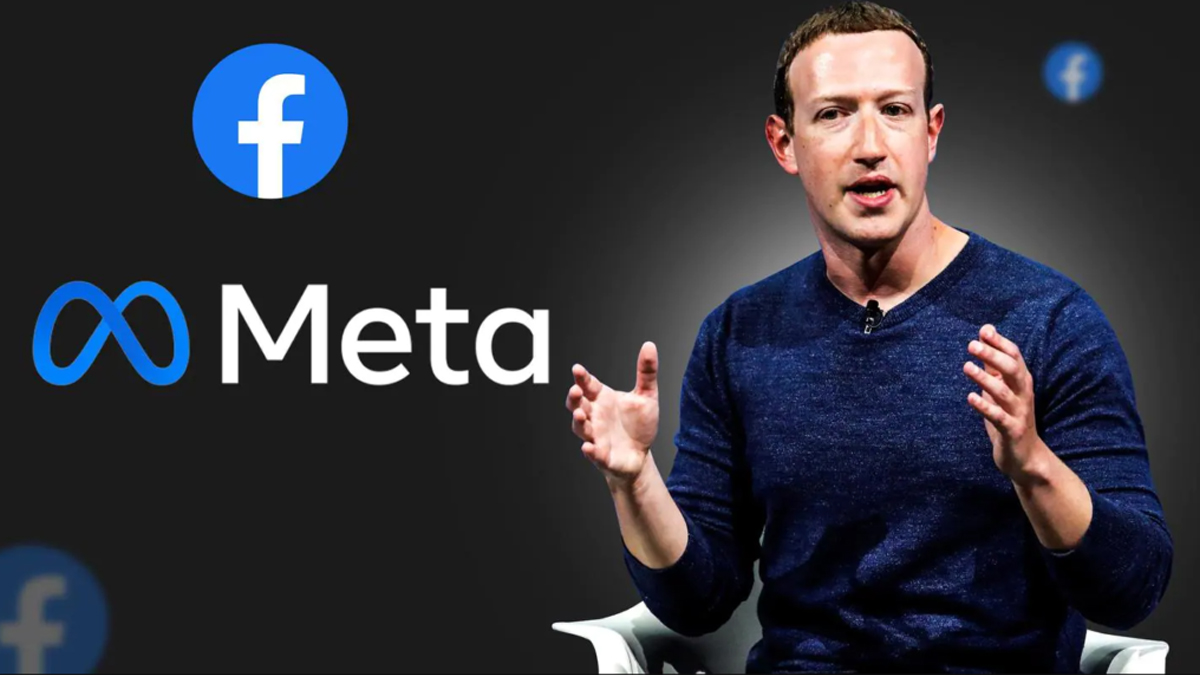
MUMBAI: At Meta, the future may be artificial but the cuts are very real. The social media giant is reportedly preparing a fresh round of layoffs, with an initial wave expected to impact around 8,000 employees as it doubles down on its artificial intelligence ambitions. According to a Reuters report, the first phase of job cuts is slated to begin on May 20, targeting roughly 10 per cent of Meta’s global workforce. With nearly 79,000 employees on its rolls as of December 31, the move marks one of the company’s most significant workforce reductions in recent years.
And this may only be the beginning. Sources indicate that additional layoffs are being planned for the second half of the year, although the scale and timing remain fluid, likely to be shaped by how Meta’s AI capabilities evolve in the coming months. Earlier reports had suggested that total cuts in 2026 could reach 20 per cent or more of its workforce.
The restructuring comes as chief executive Mark Zuckerberg continues to steer the company towards an AI-first operating model, committing hundreds of billions of dollars to the transition. Internally, this shift is already visible: teams within Reality Labs have been reorganised, engineers have been moved into a newly formed Applied AI unit, and a Meta Small Business division has been created to align with broader structural changes.
The trend is hardly isolated. Across the tech sector, companies are trimming headcount while investing aggressively in automation. Amazon, for instance, has reportedly cut around 30,000 corporate roles nearly 10 per cent of its white-collar workforce citing efficiency gains driven by AI. Data from Layoffs.fyi shows over 73,000 tech employees have already lost jobs this year, compared with 153,000 in all of 2024.
For Meta, the move echoes its earlier “year of efficiency” in 2022–23, when about 21,000 roles were eliminated amid slowing growth and market pressures. This time, however, the backdrop is different. The company is financially stronger, generating over $200 billion in revenue and $60 billion in profit last year, with shares up 3.68 per cent year-to-date though still below last summer’s peak.
That contrast underlines the shift underway. These layoffs are less about survival and more about reinvention. As Meta restructures itself around AI from autonomous coding agents to advanced machine learning systems, the question is no longer whether the company will change, but how many roles will be left unchanged when it does.







