MAM
Bic Cello’s write-to-win initiative trains 600,000 students on how to prepare better for exams

MUMBAI: BIC Cello, the leading writing instrument company in India, launched in September of last year, ‘Cello Write-to-Win,’ a school initiative aimed at promoting a healthy attitude towards learning and education.
Academic stress is fast becoming a social issue as children and teens suffer from exam anxiety. Students are put under pressure to achieve academic excellence and outperform the best in class. The stress and fear of school failure can often adversely affect children’s social, emotional and academic success. The ‘Cello Write-to-Win’ program has been designed to train students to develop handwriting skills and help them manage the stress levels that come with exams. Since its launch last year, the program has educated 600,000 students across 1,500 schools in India.
The program includes two workshops that have been developed by a team comprised of certified handwriting analysts and experts from the field of education training. The first workshop, ‘Secret to handwriting’, engages students from the 4th to the 6th grade. The session teaches them the techniques they need to develop and enhance their handwriting skills, helping them manage the transition from pencil to pen.

The second workshop, 'Making Exams Stress Free', targets older students from the 7th to the 9th grade. The session teaches students four cognitive techniques that help them to enhance their learning and memorization skills and enable them to prepare better for their exams. The workshop also trains students on writing with speed while maintaining precision.
Commenting on the initiative, BIC Cello's, Director of Marketing for India, Tanveer Khan said, “We at BIC Cello understand the kind of stress that students go through during the exam periods. The 'Cello Write-to-Win' initiative was developed to equip students with the techniques they need to overcome that stress and succeed academically. We are delighted with the positive response that we received from the students and teachers and we look forward to continuing the program and expanding it into new schools across India."
Kumar Abhishek from Rashtriya Military Schools, 9th Standard, said while sharing his experience, “The sessions are extremely informative and helpful. It taught us appropriate techniques of holding a pen that help in developing handwriting skills. The activity focused on making exams stress-free by using mind maps which I will follow henceforth for better recall. Thank you, Cello, for making me feel more exam-ready.”
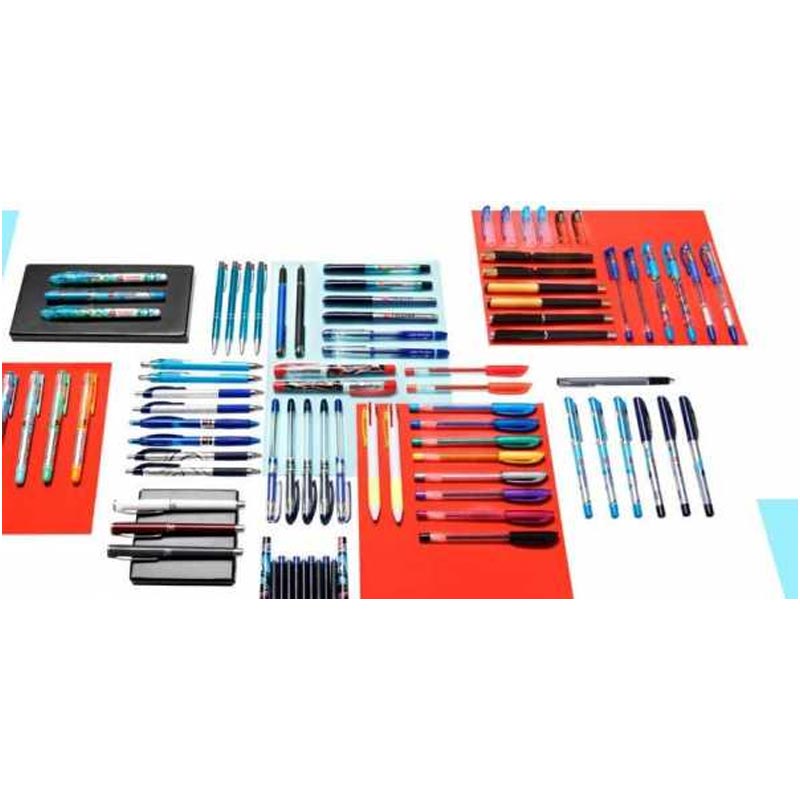
The Cello ‘Write-to-Win’ program also helps students to find the pen that is most suitable for them. Using the right pen can also help contribute to making exams less stressful by being reliable and offering comfort and glide in writing.
BIC Cello believes in empowering students by supporting them to reduce their stress, and help them prepare for their exams. The company launched an awareness campaign last year that addressed the academic pressure students feel from their parents. The ‘Surprise Test’ video garnered great success, with more than 40 M views, as it called on adults to support their children and pressure them less during exam periods.



MAM
BLS International launches #VisaReady campaign to guide applicants
Initiative targets visa myths, delays and rejections with practical guidance

MUMBAI: Visa woes may soon meet their match because paperwork, it seems, is finally getting a user manual. BLS International has rolled out a new awareness drive, #VisaReadyWithBLSInternational, aimed at simplifying the often confusing visa application process and reducing delays caused by misinformation and incomplete documentation. The campaign, led across social media platforms, zeroes in on a long-standing pain point for travellers: lack of clarity around procedures, timelines and requirements. By offering step-by-step guidance, documentation checklists and clear Dos and Don’ts, the initiative attempts to turn what is typically a stressful process into a more predictable one.
At its core, the campaign also seeks to bust common myths that frequently derail applications issues that often lead to avoidable rejections or last-minute complications. The idea is to equip applicants with practical, actionable insights so they can plan better and submit stronger applications within expected timelines.
The push will not remain limited to digital channels. BLS International plans to extend the initiative across its Visa Application Centres globally, reinforcing awareness at key touchpoints where applicants engage with the process.
BLS International joint managing director Shikhar Aggarwal framed the campaign as more than a communication exercise, emphasising the company’s attempt to embed guidance and preparedness into every stage of the applicant journey.
Operating in over 70 countries and working with more than 46 client governments including embassies, consulates and diplomatic missions, the company has built a sizeable footprint in visa and consular services. With this campaign, it is now leaning into education as much as execution, signalling that in the world of visas, clarity might just be the new currency.